





What's Happening?
As U.S. consumers face ongoing financial pressures, major consumer product companies are adapting by offering smaller product sizes at lower price points. Executives from companies like Coca-Cola, Mondelez, Proctor & Gamble, and Hershey have reported
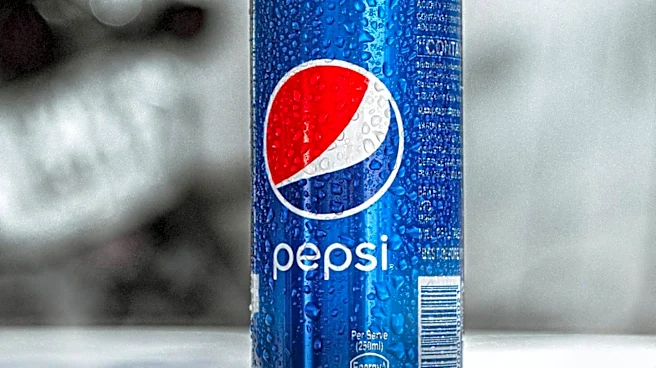
success with these smaller formats in recent earnings calls. Coca-Cola's CEO, Henrique Braun, highlighted the introduction of mini-cans sold individually at lower prices, catering to budget-conscious consumers. Mondelez is also developing new pack sizes to meet the demand for value-oriented products. While Proctor & Gamble's strategy focuses on bulk purchases for higher-income customers, they acknowledge the trend towards smaller sizes among those affected by rising gas prices. Hershey has completed a transition to smaller retail pack sizes, a move initiated in response to rising cocoa prices. This shift towards smaller packages is seen as a transparent alternative to 'shrinkflation,' where product sizes are reduced without a corresponding price decrease.
Why It's Important?
The move towards smaller product sizes reflects a broader economic trend where consumers are seeking affordability amidst financial constraints. This strategy allows companies to maintain sales volumes by making products accessible to a wider range of consumers. For lower-income households, these smaller packages provide an opportunity to purchase items that might otherwise be unaffordable. Additionally, offering smaller portions of processed foods could have health benefits by reducing consumption of less nutritious options. This trend also highlights the adaptability of consumer goods companies in responding to market demands and economic conditions, potentially setting a precedent for other industries facing similar challenges.
What's Next?
The trend towards smaller product sizes is likely to continue as companies seek to balance consumer demand with economic realities. As financial pressures persist, more companies may adopt similar strategies to retain customer loyalty and market share. This could lead to increased competition among brands to offer the best value in smaller formats. Additionally, consumer behavior may shift further towards value-oriented purchasing, influencing product development and marketing strategies across the industry. Stakeholders, including retailers and suppliers, will need to adjust their operations to accommodate these changes in packaging and pricing.