






What's Happening?
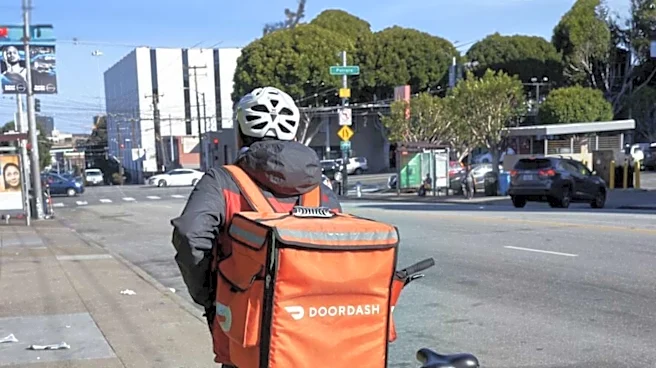
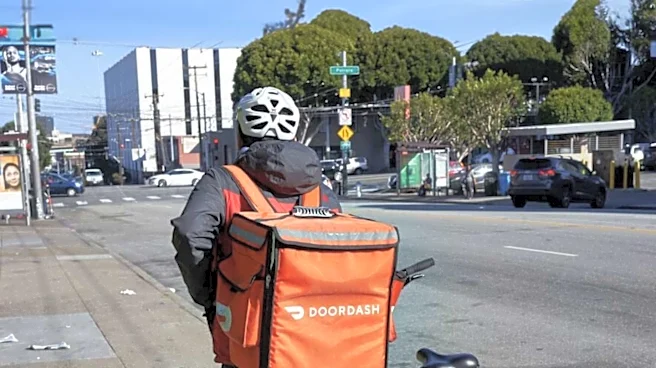
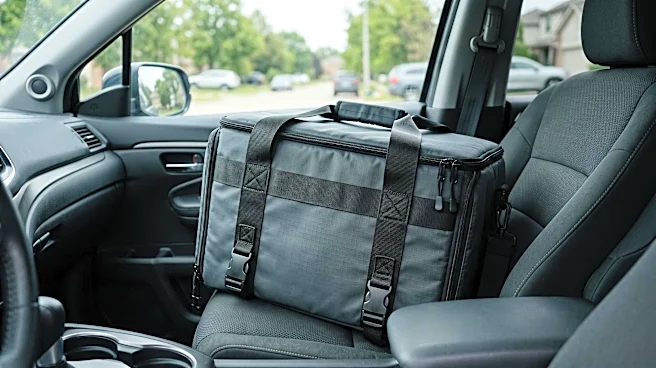
Instacart offers various work opportunities, primarily distinguishing between full-service shoppers, in-store shoppers, and corporate staff. Full-service shoppers operate as independent contractors, using their own vehicles to shop for and deliver groceries,
earning per batch plus tips. In-store shoppers are hourly employees who pick orders within a single store, without delivery responsibilities. Corporate staff fill traditional salaried roles in areas like engineering and marketing. For full-service shoppers, earnings are highly variable, influenced by factors such as batch pay, customer tips, and promotional boosts. A significant portion of their gross earnings is consumed by operational costs, including fuel, vehicle maintenance, and self-employment taxes. Data from Gridwise in 2025 indicated a median hourly earning of $12.21 for full-service shoppers before expenses, with top earners reaching $18.44 or more. After accounting for vehicle costs and taxes, the net hourly pay can drop substantially, with median shoppers potentially earning between $2.49 and $7.17 per hour, and top-tenth shoppers between $7.83 and $12.51.
Why It's Important?
The disparity between gross and net earnings for Instacart full-service shoppers underscores a critical challenge within the gig economy: the true financial viability of such roles as a primary income source. This situation impacts individuals seeking flexible work, as the perceived hourly wage often does not reflect the actual take-home pay after essential business expenses. For the broader U.S. economy, this highlights ongoing debates about worker classification, benefits, and the adequacy of minimum wage standards in the context of independent contractor models. It also raises questions about financial literacy and planning for gig workers, who must independently manage taxes, vehicle depreciation, and other operational costs. The tiered 'Cart Star' rewards program, which prioritizes batch access for higher-ranking shoppers, further creates an uneven playing field, potentially limiting earning opportunities for newer or less active shoppers and contributing to income inequality within the platform's workforce.
What's Next?
As the gig economy continues to evolve, there may be increased pressure from labor advocates and policymakers to re-evaluate the classification and compensation structures for independent contractors like Instacart shoppers. Potential next steps could include legislative efforts to mandate minimum earnings after expenses, provide access to benefits, or clarify employment status. Instacart and similar platforms might face calls to enhance transparency regarding potential net earnings or to offer more robust support for managing business expenses. Shoppers themselves will likely continue to adapt strategies, such as meticulously tracking mileage and expenses for tax deductions, and optimizing their work hours to maximize earnings during peak demand. The ongoing discussion around gig worker rights and protections could lead to new regulations at state or federal levels, potentially altering the operational models and cost structures for companies like Instacart.
Beyond the Headlines
The financial realities faced by Instacart shoppers extend beyond immediate income, touching upon broader societal implications related to economic security and the future of work. The reliance on personal vehicles for full-service shoppers contributes to environmental concerns through increased emissions and traffic congestion, while also placing a significant financial burden on individuals for vehicle maintenance and depreciation. The lack of traditional employment benefits, such as health insurance, paid time off, and retirement plans, pushes the responsibility for these essential services onto the individual, potentially exacerbating economic precarity. This model also raises ethical questions about the distribution of risk and reward between platform companies and their workers. The 'Cart Star' program, while designed to incentivize performance, could inadvertently foster a competitive environment that undermines worker solidarity and creates barriers to entry for new participants, further entrenching existing inequalities within the gig workforce.