

What's Happening?
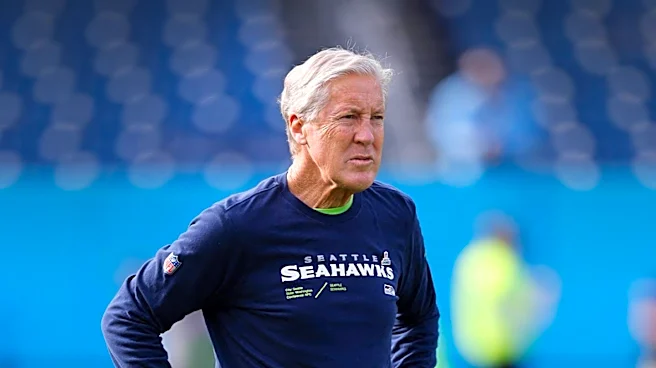
The Seattle Seahawks are set to be sold for $9.612 billion, marking a significant increase in NFL team valuations. This sale, led by the family of venture capitalist Vinod Khosla, follows the recent $6.05 billion sale of the Washington Commanders. The Seahawks,
previously owned by the estate of Paul G. Allen, are expected to transfer ownership to Neeru Khosla, with her son Neal Khosla taking a leadership role. The NFL team owners are scheduled to meet on August 26 in Atlanta to vote on the approval of this transaction. This sale reflects a broader trend of rising valuations in the NFL, with some analysts predicting future sales could reach $15 billion to $20 billion.
Why It's Important?
The escalating valuations of NFL teams underscore the league's financial health and growing market appeal. The sale of the Seahawks at such a high price point indicates strong investor confidence in the profitability and global reach of NFL franchises. This trend could lead to increased investments in team facilities, player salaries, and fan engagement strategies. For current owners, the rising valuations present lucrative opportunities for capital gains. However, it also raises the barrier for new entrants, potentially limiting ownership diversity. The financial dynamics of these sales could influence future negotiations for broadcasting rights and collective bargaining agreements, impacting the league's economic landscape.
What's Next?
The NFL owners' meeting in August will be crucial for finalizing the Seahawks sale. If approved, this transaction could set a new benchmark for future team sales, influencing how other franchises are valued. The league's ongoing negotiations for broadcasting deals and a new collective bargaining agreement could further affect team valuations. Additionally, the potential for international expansion and technological advancements in fan engagement could drive future growth. Stakeholders will be closely watching for any shifts in ownership strategies, particularly among teams with aging owners or those facing financial or legal challenges.