







What's Happening?
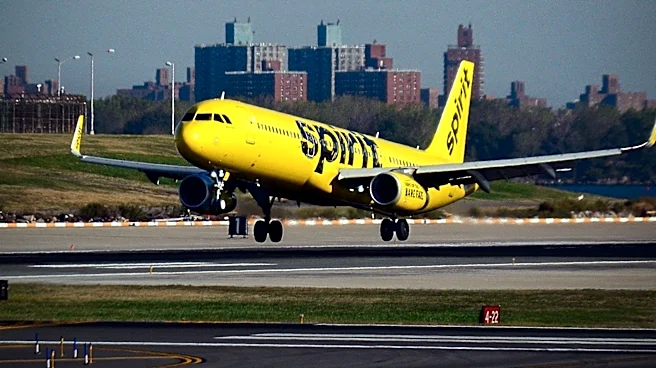
JetBlue Airways is advancing its plans to acquire 22 slot authorizations at New York LaGuardia Airport, previously held by Spirit Airlines. The Federal Aviation Administration (FAA) has indicated preliminary support for the transaction, which saw JetBlue secure
the slots through a bankruptcy auction with a winning bid of US$58.5 million, outbidding Frontier Airlines. The package includes 12 departure and 10 arrival authorizations. If approved, this acquisition would significantly increase JetBlue’s presence at LaGuardia, expanding its holdings from 31 to 53 slot authorizations. The FAA's preliminary assessment suggests that returning these slots to active airline service under a low-fare operator like JetBlue would serve the public interest. Final approval is contingent on a public comment period, which concludes on September 21, 2026. The proposed transfer requires an exemption from FAA rules that generally prohibit the direct sale of LaGuardia slot authorizations, with regulators tentatively agreeing that JetBlue meets the conditions for relief, provided it complies with ongoing usage requirements.
Why It's Important?
This development is significant for the competitive landscape of the U.S. airline industry, particularly in the highly constrained New York market. LaGuardia is one of the most tightly regulated airports in the United States, making access to slots a critical factor for airline expansion and market share. JetBlue's acquisition of these slots, especially from a liquidated carrier like Spirit Airlines, underscores the ongoing consolidation and strategic maneuvering within the low-fare segment. By expanding its footprint at LaGuardia, JetBlue aims to strengthen its position and offer more options to consumers, potentially increasing competition and affecting pricing in the region. The FAA's emphasis on ensuring the slots remain in active operational use by a low-fare operator highlights a regulatory interest in maintaining accessible air travel options. This move could also influence other airlines' strategies for securing or expanding their presence in key hub airports, reflecting the intense competition for valuable airport resources.
What's Next?
The immediate next step involves the conclusion of the public comment period on September 21, 2026, after which the FAA will make a final determination regarding the slot transfer. If approved, JetBlue will be subject to specific conditions, including being barred from leasing or trading the acquired slots until April 2028 and prohibited from selling them outright in the future. This ensures the slots remain in active operational use, aligning with the FAA's public interest assessment. JetBlue will then proceed with integrating these new slots into its operations, which will likely involve adjusting flight schedules and potentially introducing new routes or increasing frequencies at LaGuardia. The expansion is part of JetBlue's broader 'JetForward' turnaround strategy, which also includes the unveiling of new domestic first-class seats, indicating a comprehensive effort to enhance its market position and profitability. The outcome of this approval process will set a precedent for future slot transfers in regulated airports and could influence how other airlines approach expansion in competitive markets.
Beyond the Headlines
The acquisition of Spirit Airlines' slots by JetBlue at LaGuardia points to a broader trend in the U.S. airline industry: the strategic importance of airport slot ownership and the regulatory challenges associated with market concentration. While the FAA's preliminary support emphasizes public interest through low-fare operations, the underlying mechanism of bankruptcy auctions for critical infrastructure assets raises questions about equitable access and long-term market dynamics. The conditions imposed on JetBlue, such as restrictions on leasing or selling the slots, reflect an attempt by regulators to prevent speculative hoarding and ensure operational utility. This scenario also highlights the vulnerability of airlines facing financial difficulties, as their valuable assets can be absorbed by competitors, further shaping the competitive landscape. The long-term implications could include a shift in the balance of power among carriers at major hubs, potentially impacting consumer choices, fare structures, and the overall accessibility of air travel in densely populated regions.