

What's Happening?
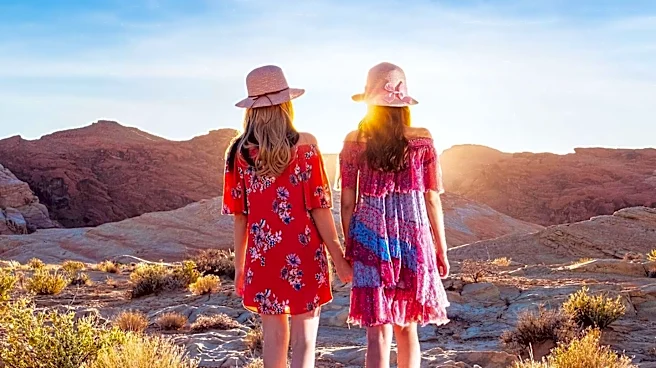
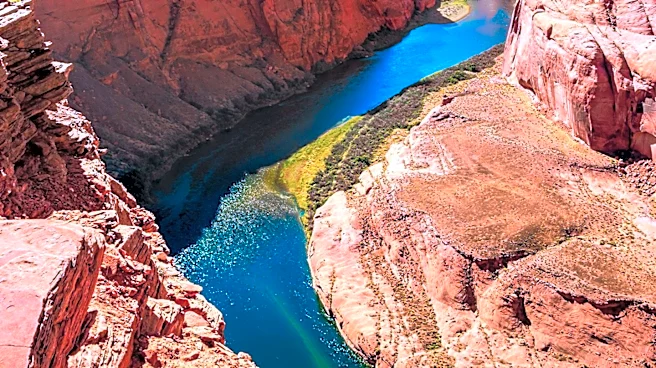
Moab, Utah, provides a wide array of outdoor activities for families, even during the hot summer months, despite conventional advice to avoid southeast Utah in July and August. While temperatures frequently reach triple digits, locals and frequent visitors
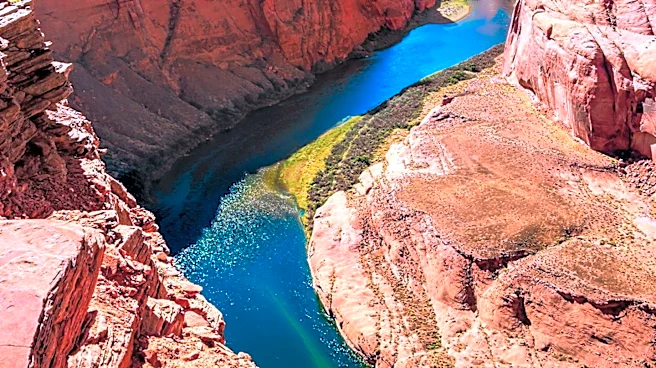
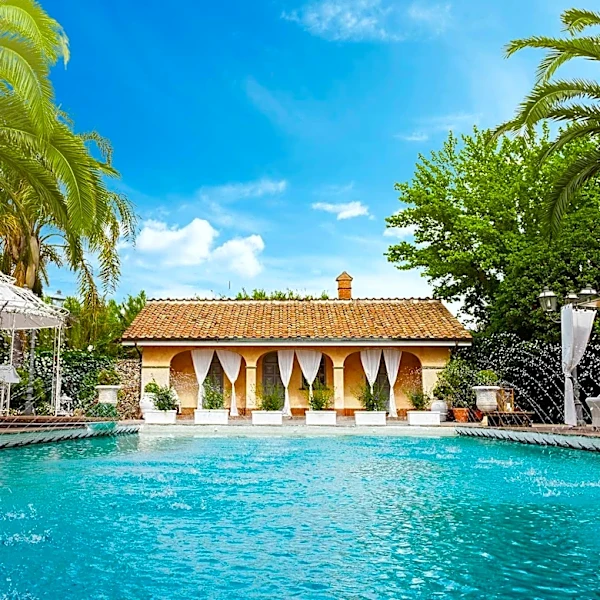
employ strategies to manage the heat, such as early morning outdoor activities, midday siestas, and afternoon water-based recreation. Activities include scenic hikes in Arches and Canyonlands National Parks, rafting and canyoneering on the Colorado River, and bouldering at the Big Bend Bouldering Area. The region also offers opportunities for stand-up paddleboarding, kayaking, and exploring natural attractions like Ken's Lake and various hiking trails with water access. Accommodations often feature pools, and many hotels offer deals during the summer, making it a viable option for family travel.
Why It's Important?
Moab's ability to attract and accommodate families during its off-peak summer season highlights the growing demand for adventure travel and the adaptability of tourist destinations. By offering practical tips and diverse activities, Moab demonstrates how regions can mitigate environmental challenges like extreme heat to sustain tourism. This approach supports local businesses, from hotels and outfitters to restaurants and artisan markets, contributing to the economic stability of the area. The emphasis on early morning activities and water-based recreation also promotes responsible tourism by encouraging visitors to respect the natural environment and adapt to local conditions. Furthermore, the availability of family-friendly options, including bouldering and rafting, caters to a broad demographic, ensuring that outdoor adventure remains accessible and enjoyable for all ages, thereby fostering a love for nature and physical activity.
What's Next?
Visitors to Moab during the summer are advised to adopt a customized travel rhythm, prioritizing early morning outdoor excursions, midday breaks in air-conditioned spaces or by hotel pools, and afternoon water activities. Booking accommodations with pools is highly recommended, as many hotels offer deals during July and August. For national parks like Arches and Canyonlands, early morning visits are crucial to avoid crowds and heat, with visitors encouraged to carry ample water. Local businesses, including outfitters like Paddle Moab and Moab Canyon Tours, will continue to offer guided experiences for rafting, stand-up paddleboarding, and canyoneering. The town's dining scene, including options like Antica Forma and the Food Truck Park, will cater to various tastes. Evening activities, such as dusky hikes and stargazing at Dead Horse Point State Park, will also be promoted as the desert cools down.
Beyond the Headlines
The strategies employed by Moab to manage summer tourism in extreme heat offer a micro-example of broader climate adaptation in the tourism industry. As global temperatures rise, destinations worldwide will increasingly need to innovate and adjust their offerings to remain viable and attractive. Moab's success in promoting a 'customized travel rhythm' and leveraging water-based activities could serve as a model for other regions facing similar environmental challenges. This also underscores a shift in traveler expectations, with a growing number seeking authentic, active, and environmentally conscious experiences. The focus on local tips and community engagement, such as visiting artisan markets and local eateries, enriches the visitor experience beyond typical tourist traps, fostering a deeper connection with the destination and its culture. This approach can lead to more sustainable tourism practices and a more resilient local economy in the face of changing climate patterns.