







What's Happening?
The global open display refrigeration market is experiencing significant growth, projected at a Compound Annual Growth Rate (CAGR) of 7.8% over the forecast period. This growth is primarily fueled by evolving retail trends that emphasize consumer engagement
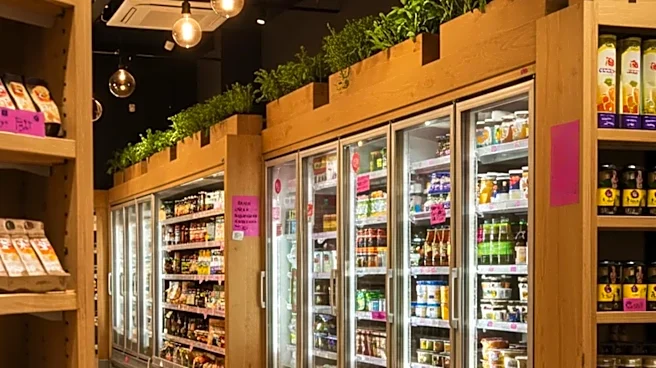
and experiential shopping environments. Retail businesses, including supermarkets, convenience stores, and hospitality venues, are the main purchasers of these units. They utilize open display refrigeration to showcase fresh produce, beverages, dairy products, and other perishable items, aiming to enhance visibility, encourage impulse buying, and increase sales. Manufacturers are innovating to meet stricter environmental standards and growing demand for energy-efficient and eco-friendly solutions, while also maintaining product freshness. Regional preferences play a crucial role, with North American buyers prioritizing advanced energy-saving features and digital display integrations due to stringent environmental regulations and consumer appeal. European customers, conversely, focus on sustainability and compliance with eco-friendly standards, favoring eco-conscientious materials and energy-efficient designs.
Why It's Important?
The expansion of the open display refrigeration market has significant implications for the U.S. retail and food service industries. As consumer preferences increasingly lean towards fresh, visually appealing products and engaging shopping experiences, the adoption of advanced open display units becomes critical for competitive advantage. U.S. retailers, particularly those in the grocery and convenience sectors, stand to gain from increased sales volumes and reduced spoilage by investing in these technologies. The emphasis on energy efficiency and eco-friendly solutions aligns with growing corporate sustainability goals and consumer demand for environmentally responsible practices, potentially leading to cost savings through lower energy consumption and enhanced brand reputation. However, the initial investment in these advanced units can be substantial, posing a challenge for smaller businesses. Furthermore, the need to balance visual appeal with strict temperature and humidity controls for perishable goods requires sophisticated technology and maintenance, impacting operational complexities and staff training requirements. The market's growth also signifies a broader shift in retail merchandising strategies, where product presentation is as crucial as product quality.
What's Next?
The open display refrigeration market is expected to continue its trajectory of innovation, with manufacturers focusing on developing even more energy-efficient and environmentally sustainable solutions to meet evolving regulatory demands and consumer expectations. This will likely include advancements in refrigeration technologies, smart controls for optimal temperature and humidity management, and the use of eco-friendly refrigerants and materials. Retailers in the U.S. will likely increase their adoption of these advanced units, driven by the need to enhance customer experience, reduce food waste, and comply with environmental standards. The integration of digital display technologies and smart features will become more prevalent, offering opportunities for dynamic pricing, promotional content, and real-time inventory management. The market will also see continued regional differentiation, with North American demand pushing for cutting-edge energy-saving features and digital integration. This trend will foster competition among manufacturers and potentially lead to more affordable and accessible solutions for a wider range of retail businesses, from large supermarkets to smaller specialty stores.
Beyond the Headlines
The evolution of open display refrigeration extends beyond mere product presentation, touching upon broader themes of consumer psychology, environmental responsibility, and technological integration in daily life. The emphasis on visually appealing displays taps into impulse buying behaviors and the desire for fresh, high-quality produce, influencing dietary choices and perceptions of food quality. Ethically, the balance between maximizing sales through attractive displays and minimizing energy consumption and environmental impact will remain a critical consideration for manufacturers and retailers. The increasing sophistication of these units, with their advanced sensors and digital interfaces, also contributes to the 'smartification' of retail spaces, generating valuable data on consumer behavior and product performance. This data can be leveraged for personalized marketing and optimized store layouts, but also raises questions about data privacy and surveillance. Ultimately, the trajectory of this market reflects a societal shift towards more conscious consumption, where convenience, aesthetics, and sustainability are increasingly intertwined in the retail experience.