






What's Happening?
A recent study conducted by Remitly, a company specializing in international money transfers, has identified the top international destinations for seasonal ski jobs. The study evaluated 88 popular seasonal work locations across 21 countries, using five
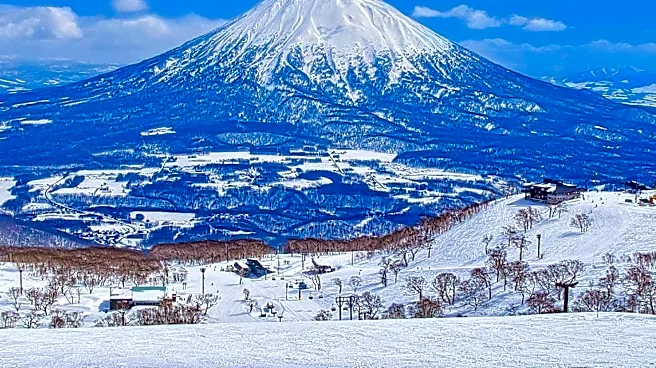
key factors: cost of living, rent affordability, available activities, job demand, and safety. Each factor was scored from 0 to 100, with an average score determining the overall ranking. Niseko, Japan, emerged as the leading destination with a score of 79.0. It is recognized for its exceptional powder snow, four interconnected ski areas, and an international atmosphere with a significant English-speaking community. The area also scored highly for safety and offers relatively affordable living costs, despite its remote location and the resort's higher prices. Other top-ranked destinations include Cortina d’Ampezzo, Italy, and Queenstown, New Zealand, which secured the second and third positions, respectively. The study aims to guide skiers and snowboarders seeking to combine their passion for snow sports with seasonal employment opportunities abroad.
Why It's Important?
This study provides valuable insights for individuals in the U.S. and globally who are considering seasonal work opportunities in the ski industry. For American workers, it highlights international locations that offer a balance of job prospects, affordability, and quality of life, potentially influencing their decisions on where to seek employment. The emphasis on factors like safety and cost of living directly impacts the financial and personal well-being of seasonal workers. The ranking also indirectly reflects the global appeal and economic vitality of these ski destinations, which can attract tourism and investment. For instance, Cortina d’Ampezzo's high ranking, partly due to hosting a major international winter sports event in 2026, demonstrates how large-scale events can boost job demand and international profile. Understanding these trends can help U.S. tourism and hospitality sectors benchmark against international competitors and identify strategies to attract seasonal workers or enhance their own offerings.
What's Next?
Prospective seasonal workers will likely use this study to inform their job search and relocation plans for upcoming winter seasons. The detailed breakdown of factors like rent affordability and job demand will enable them to make more informed decisions. Ski resorts and hospitality businesses in these top-ranked locations may see an increased interest from international applicants, potentially leading to a more competitive job market. Conversely, destinations that ranked lower might need to re-evaluate their offerings to attract seasonal talent. The study's findings could also prompt discussions within the U.S. ski industry about improving conditions for seasonal workers, such as addressing housing costs or enhancing safety measures, to better compete with these highly-rated international destinations. As the 2026 winter sports event approaches, Cortina d’Ampezzo is expected to continue experiencing strong seasonal job demand.
Beyond the Headlines
The study subtly underscores the evolving nature of seasonal work and the increasing globalization of the labor market, particularly in niche industries like ski tourism. It highlights a growing trend where individuals are willing to travel internationally for work experiences that align with their lifestyle and passions. The focus on 'quality of life' factors beyond just salary, such as 'things to do' and 'safety,' suggests a shift in priorities for the modern workforce. This could have long-term implications for how industries attract and retain talent, emphasizing the importance of creating holistic and appealing work environments. Furthermore, the success of destinations like Niseko, with its international and English-speaking community, points to the value of cultural inclusivity in attracting a diverse global workforce, fostering cross-cultural exchange and enriching the local community.