





What's Happening?
Ric Flair, a WWE Hall of Famer and 16-time world champion, has stated that his current association with All Elite Wrestling (AEW) prevents him from attending many WWE events to support his daughter, Charlotte Flair. During an interview on 'NewsNation's
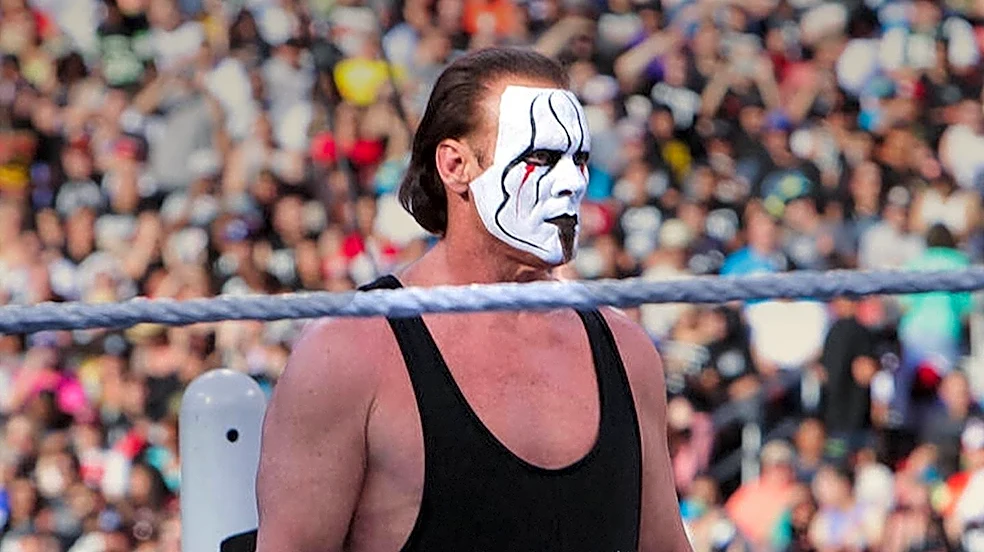
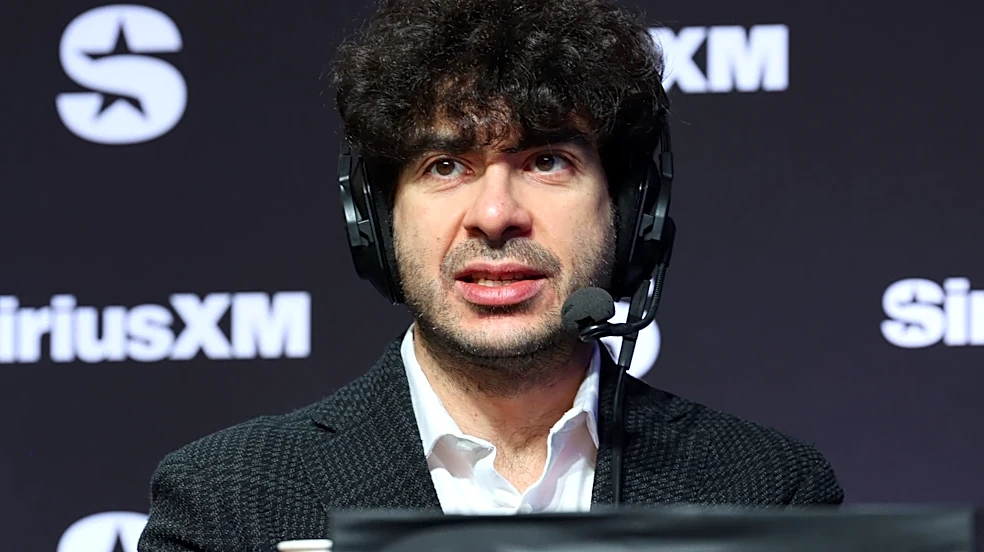
BIFF,' Flair clarified that he still closely follows Charlotte's matches but explained that the competitive rivalry between WWE and AEW makes it difficult for him to be present at WWE shows. He emphasized that this situation is not due to any personal disagreements with WWE talent or management, including WWE Chief Content Officer Paul 'Triple H' Levesque, with whom he maintains a friendship. Instead, Flair attributes the restriction to the ongoing competition between the two major wrestling promotions. Flair signed a multi-year deal with AEW in November 2023, initially joining as part of Sting's retirement storyline, and has remained loyal to AEW president Tony Khan.
Why It's Important?
This situation highlights the intense competitive landscape within professional wrestling, particularly between industry giants WWE and AEW. The inability of a legendary figure like Ric Flair to attend events featuring his own daughter due to promotional allegiances underscores the strict boundaries and rivalries that exist. This impacts not only personal relationships within the wrestling community but also potentially limits cross-promotional appearances that fans might otherwise enjoy. For WWE, it means a prominent figure associated with their history is now aligned with a competitor, potentially influencing fan loyalty and viewership. For AEW, retaining Flair, even in a non-wrestling capacity, adds star power and validates their position as a significant alternative to WWE. The scenario also reflects the broader business strategies of these companies, where talent exclusivity and brand protection are paramount, even at the expense of personal connections.
What's Next?
The current dynamic suggests that Ric Flair will likely continue to be associated with AEW, maintaining the existing barrier to his attendance at WWE events. Unless there is a significant shift in the relationship between WWE and AEW, or a change in Flair's contractual obligations, this situation is expected to persist. Future developments could include further public comments from Flair or other wrestling personalities regarding the competitive nature of the industry. It is improbable that WWE would relax its stance on allowing talent associated with a rival promotion to appear on their programming, given the competitive environment. Similarly, AEW is likely to continue leveraging Flair's presence to bolster its brand. The situation may also prompt discussions among fans and industry observers about the implications of such rivalries on the personal lives and professional choices of wrestling figures.
Beyond the Headlines
The situation between Ric Flair, WWE, and AEW extends beyond mere business competition, touching upon themes of loyalty, family, and the evolving nature of professional sports entertainment. It illustrates how corporate rivalries can impose personal constraints, even on individuals with deep historical ties to a particular organization. For Charlotte Flair, having her father unable to attend her matches due to his professional commitments with a rival company could be a unique emotional challenge, despite her own established career. This scenario also reflects a broader trend in entertainment industries where talent often navigates complex contractual landscapes that dictate their public appearances and affiliations. It raises questions about the balance between professional obligations and personal support, and how these are managed in a highly competitive and public-facing industry like professional wrestling. The 'competition' cited by Flair is not just about ratings or market share, but also about controlling narratives and maintaining brand exclusivity.