



What's Happening?
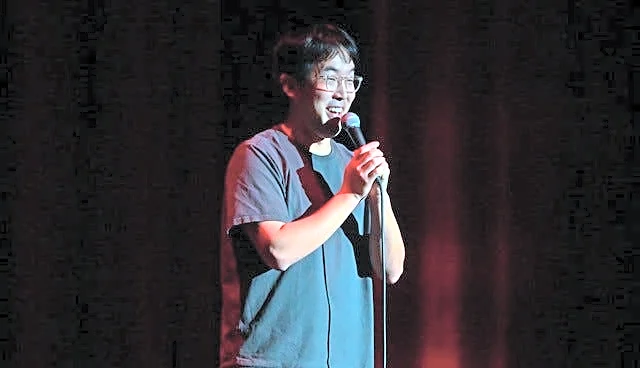
Comedian Brad Williams is preparing for his 'Tall Tales' tour, where he continuously integrates new material into his stand-up sets. Williams, who was born with dwarfism, often incorporates his experiences into his comedy, as seen in his special 'Live
on Short Street!' He is also a regular participant in the roast circuit, including a notable roast battle with Joe Eurell at LA’s Comedy Store. Williams emphasizes the importance of friendly relationships between roasters to allow for more extreme and humorous exchanges. He believes that the current era represents a 'golden age of comedy,' characterized by the absence of traditional 'gatekeepers' in the industry. He cites Shane Gillis as an example of a comedian who, despite an early career setback, achieved significant success, including hosting the largest ticketed comedy show ever at Lincoln Financial Field in Philadelphia, which featured a surprise guest slot by Dave Chappelle.
Why It's Important?
Williams's perspective on the 'golden age of comedy' highlights a significant transformation in the U.S. entertainment landscape. The decline of traditional gatekeepers, such as major networks and studios, has democratized access for comedians, allowing diverse voices and styles to flourish. This shift empowers artists to connect directly with their audiences, fostering a more vibrant and varied comedy scene. The success of comedians like Shane Gillis, who overcame early career challenges to achieve mainstream recognition, demonstrates the resilience and adaptability of modern comedic talent. This environment encourages experimentation and authenticity, as comedians are less constrained by corporate dictates. For audiences, this means a wider array of comedic content, catering to various tastes, from clean comedy to more provocative styles, ultimately enriching the cultural fabric of the nation.
What's Next?
The trend of comedians bypassing traditional gatekeepers is likely to continue, with more artists leveraging independent platforms and direct audience engagement. This could lead to further innovation in content creation and distribution within the comedy industry. Comedians like Williams will continue to tour and develop new material, constantly adapting to audience feedback and evolving comedic tastes. The roast circuit, as described by Williams, may also see a continued emphasis on friendly, yet intense, exchanges, pushing the boundaries of humor while maintaining a sense of camaraderie among performers. The success of large-scale independent comedy events, such as Gillis's show, suggests a growing appetite for live comedy experiences that are not necessarily tied to major media conglomerates, potentially leading to more such events in the future.
Beyond the Headlines
The 'golden age of comedy' described by Williams reflects a broader societal shift towards decentralization and direct engagement in various creative fields. The ability of comedians to thrive without traditional institutional backing speaks to the power of individual artistry and audience connection in the digital age. This phenomenon also raises questions about the role of 'cancel culture' and public scrutiny in comedy; while gatekeepers may be gone, public opinion and social media can still significantly impact a comedian's career. Williams's emphasis on the importance of a good joke, regardless of its subject matter, underscores the enduring value of humor as a means of social commentary and connection. The diverse range of comedic styles now available also highlights the increasing fragmentation of cultural tastes, where niche audiences can sustain artists who might not appeal to a broad mainstream. This dynamic fosters a more inclusive and representative comedic landscape.