


What's Happening?
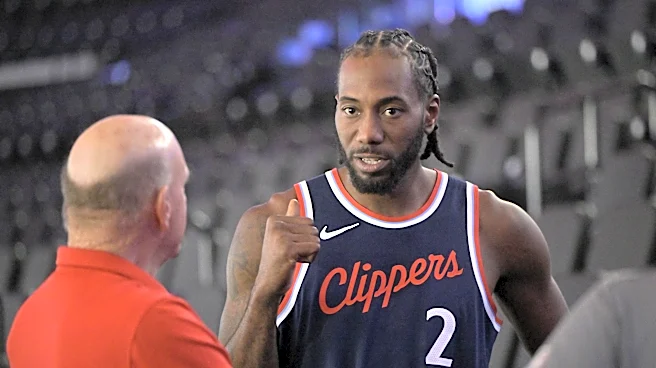
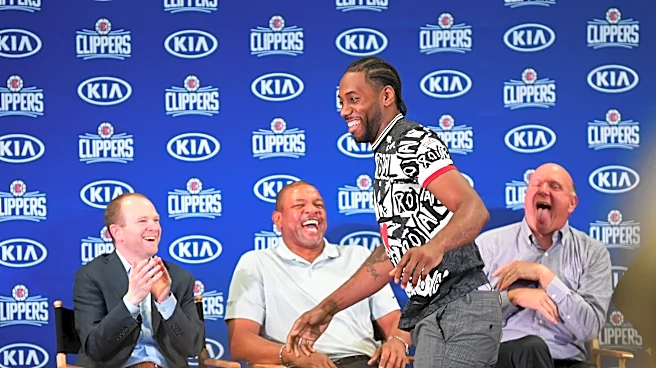
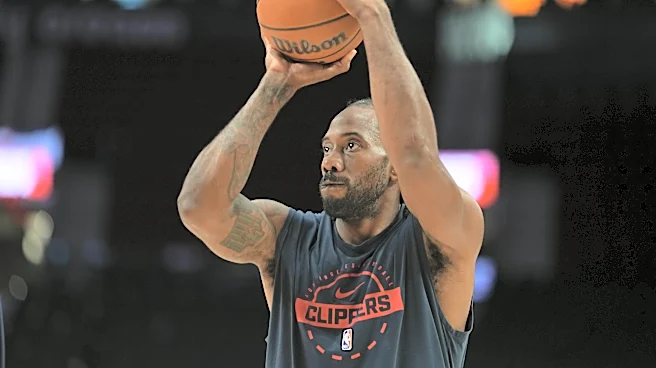
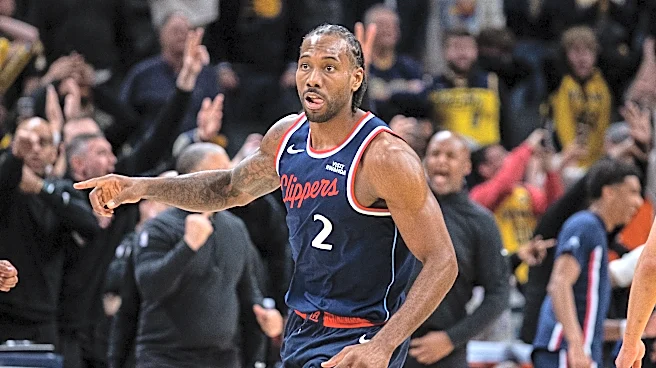
The Los Angeles Clippers are grappling with significant repercussions after the NBA imposed severe penalties for circumventing salary cap rules related to Kawhi Leonard's contract. The league has docked the Clippers five first-round draft picks, spanning
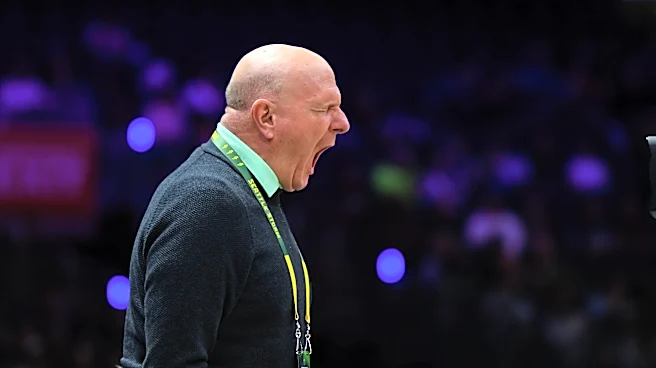
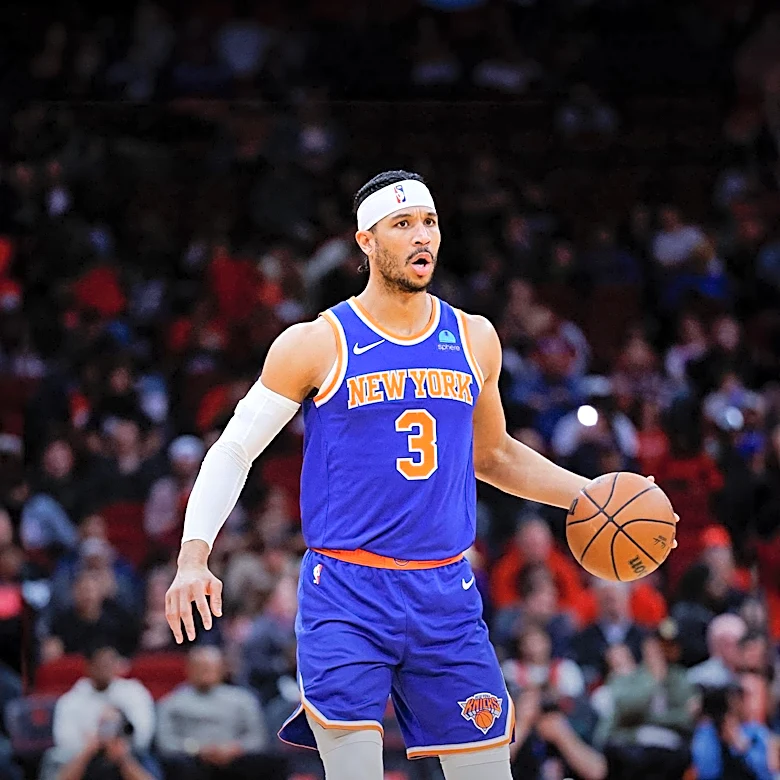
from 2029 to 2033. Additionally, team owner Steve Ballmer has been fined $30 million and suspended from all team and league activities for one year. Other key executives, including Gillian Zucker, President of Business Operations, and Lawrence Frank, President of Basketball Operations, have also received suspensions without pay. These penalties stem from an NBA investigation into a $28 million equity and endorsement contract between Leonard and Aspiration Fund Adviser LLC, a green banking company whose co-founder later pleaded guilty to fraud. The severity of these sanctions has prompted the Clippers to consider strategic moves, including potentially trading high-value players like Darius Garland, who has two years and $87 million remaining on his contract, to recoup future draft assets.
Why It's Important?
These penalties represent a rare and significant rebuke of NBA ownership, signaling a potential shift in how the league addresses competitive balance and salary cap circumvention. The loss of five first-round draft picks will severely impact the Clippers' ability to build for the future through the draft, forcing them to rely more heavily on trades and free agency. The suspension of owner Steve Ballmer and key executives could disrupt the team's operational stability and decision-making processes for the upcoming year. For the broader NBA, this ruling reinforces the league's commitment to upholding its collectively bargained system for player compensation and competitive integrity. It also highlights the increasing scrutiny on team owners and their financial dealings, particularly in relation to player contracts and endorsements. The potential trade of a player like Darius Garland underscores the immediate need for the Clippers to re-evaluate their roster and asset management strategies to mitigate the long-term impact of these sanctions.
What's Next?
In the immediate future, the Los Angeles Clippers are expected to explore trade opportunities to acquire additional draft picks and assets to offset the loss of their future first-round selections. Discussions are reportedly underway, with players like Darius Garland being considered for trade. There are also reports of potential trade talks with the Los Angeles Lakers, where the Clippers might send Derrick Jones Jr. in exchange for multiple draft picks and players like Jaden Hardy. The team will need to navigate the upcoming season without the direct involvement of owner Steve Ballmer and other suspended executives, which could impact strategic decisions and team morale. The long-term implications will involve a challenging period of rebuilding and roster management, as the Clippers will have limited draft capital for several years. The NBA will likely continue to monitor team financial practices closely, and this ruling could set a precedent for future investigations into salary cap circumvention.
Beyond the Headlines
This situation extends beyond typical sports penalties, touching upon broader themes of corporate accountability and the ethics of financial dealings in professional sports. The involvement of Aspiration Fund Adviser LLC and the subsequent fraud conviction of its co-founder, Joseph Sanberg, highlight the complex and sometimes problematic intersections between sports contracts and external business ventures. The NBA's decision to impose such severe penalties on ownership, rather than solely on the player involved, could be interpreted as a win for player empowerment, as it places greater responsibility on team management for adhering to league rules. This ruling also brings into focus the power dynamics within the NBA, particularly the influence of billionaire owners and the league's efforts to maintain competitive balance. It may encourage greater transparency in team operations and financial arrangements, potentially influencing how other professional sports leagues address similar issues of compliance and integrity.