


What's Happening?
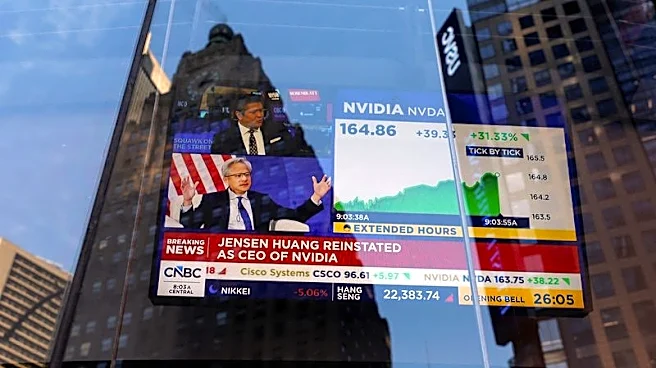
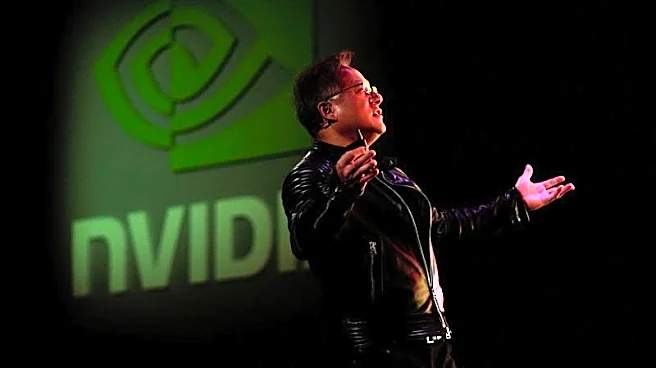
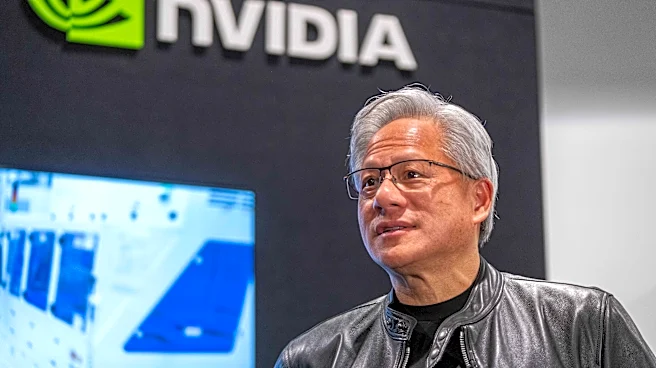
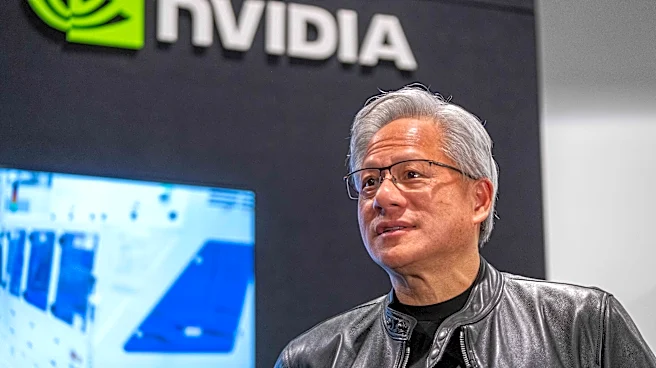
Jensen Huang, co-founder of Nvidia, has been reinstated as CEO just 11 days after his resignation. Huang initially stepped down on November 12, following reports of extramarital affairs, including one with a Chinese businesswoman suspected of being a spy
for Beijing. Colette Kress, Nvidia's chief financial officer, was appointed interim CEO, and Harvey C. Jones became the company's first chairman. Despite an internal investigation by Nvidia's board, which initially expressed confidence in Huang, pressure mounted after another alleged affair with an Nvidia employee surfaced. A 'Stand with Jensen' petition, supported by current and former Nvidia staff and Silicon Valley figures like Elon Musk, advocated for his return. President Trump publicly and privately lobbied for Huang's reinstatement, claiming credit for the board's decision. The board, after initially rejecting Huang's offer to return, reversed its stance, citing input from senior levels of the U.S. government that assured them of no national security risks associated with his return.
Why It's Important?
The reinstatement of Jensen Huang as Nvidia's CEO carries significant implications for the U.S. technology sector and national security. Nvidia is a central player in the artificial intelligence boom, and its leadership is crucial for maintaining U.S. competitiveness in this critical field. President Trump's direct intervention highlights the increasing intersection of business leadership, national security, and political influence, particularly concerning companies involved in advanced technologies. The initial allegations of an affair with a suspected Chinese spy raised serious national security concerns, underscoring the vulnerabilities of U.S. tech companies to foreign influence. The board's decision to reinstate Huang, explicitly citing U.S. government input regarding national security, suggests a high-level assessment of the situation and a determination that Huang's leadership is vital for the company and, by extension, for U.S. technological advancement. This event could set a precedent for how the U.S. government engages with private sector leadership in strategically important industries.
What's Next?
Following Jensen Huang's reinstatement, Nvidia will likely focus on stabilizing its leadership and continuing its pivotal role in the artificial intelligence market. The company's board will need to manage any lingering internal or external concerns related to the circumstances of Huang's brief departure and return. The U.S. government's involvement suggests ongoing scrutiny of Nvidia's operations, particularly regarding its advanced computer chip sales and their national security implications. Key House lawmakers had previously indicated that Huang voluntarily agreed to appear for transcribed interviews, and it remains to be seen if these interviews will proceed or if the government's assurance of no national security risk will negate the need for further investigation. The incident may also prompt broader discussions within the U.S. government and corporate boards about the protocols for handling leadership crises involving national security concerns in critical technology sectors.
Beyond the Headlines
The rapid sequence of events surrounding Jensen Huang's resignation and reinstatement reveals deeper implications regarding corporate governance, national security, and the influence of political figures in the private sector. The 'Stand with Jensen' petition and the public support from figures like Elon Musk highlight the cult of personality that can surround influential tech leaders and the power of public sentiment in corporate decisions. The explicit mention of U.S. government input in the board's decision to reinstate Huang underscores a potential shift towards greater governmental oversight or influence in the leadership of companies deemed critical to national interests, especially in areas like AI and advanced computing. This could lead to increased pressure on tech executives to align their personal conduct and corporate strategies with national security objectives, potentially blurring the lines between private enterprise and state interests. The incident also raises questions about the transparency and accountability of corporate boards when faced with external pressures, whether from shareholders, employees, or government entities.