







What's Happening?
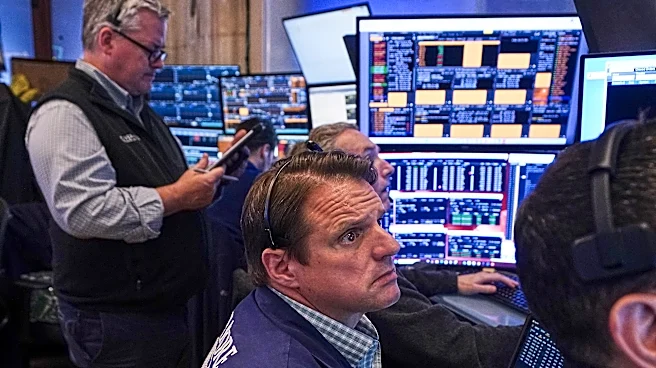
Goldman Sachs and Morgan Stanley, two of the largest investment banks in the U.S., have implemented new policies restricting their employees from trading on prediction markets. This move is aimed at preventing insider trading and conflicts of interest.
The banks are specifically prohibiting staff from engaging in financial and political event contracts on platforms like Kalshi and Polymarket. Employees found violating these rules could face disciplinary actions, including termination and forfeiture of any profits made from such trades. However, the banks are allowing their employees to trade in entertainment and sports event contracts, such as those related to the World Cup or awards shows. This decision comes as part of a broader effort by financial institutions to maintain integrity and trust in the markets.
Why It's Important?
The decision by Goldman Sachs and Morgan Stanley to restrict trading on prediction markets is significant as it addresses potential ethical concerns related to insider trading. Employees at these banks often have access to sensitive, non-public information, which could be exploited in prediction markets, leading to unfair advantages and undermining market integrity. By implementing these restrictions, the banks aim to protect their reputations and ensure fair trading practices. This move also aligns with efforts by prediction market operators to eliminate bad actors and build public trust. The policy could influence other financial institutions to adopt similar measures, thereby setting a precedent in the industry.
What's Next?
As Goldman Sachs and Morgan Stanley enforce these new trading restrictions, other financial institutions may follow suit. JPMorgan and Bank of America are reportedly considering similar guidelines, which could lead to a broader industry shift towards stricter regulation of employee trading activities. Additionally, the impact on prediction markets could be significant, as these platforms may need to adapt to a changing landscape where professional traders are more regulated. The banks' actions may also prompt discussions on the ethical use of prediction markets and the need for comprehensive policies to prevent conflicts of interest.