
What's Happening?
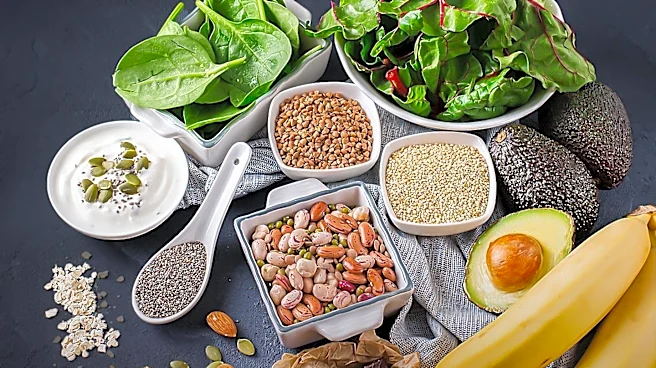
Improving gut health primarily involves dietary and lifestyle modifications. Key recommendations include increasing daily fiber intake to about 30g, incorporating a wide variety of plant-based foods, and regularly
consuming fermented foods such as yogurt, kefir, and kimchi. Prebiotic foods like onions, garlic, leeks, bananas, oats, and chicory root are also beneficial as they feed existing gut bacteria. Beyond diet, daily physical activity, adequate hydration, and effective stress and sleep management are crucial. Limiting ultra-processed foods and responsible antibiotic use are also emphasized to maintain a healthy gut microbiome. These guidelines are supported by various health organizations and studies, highlighting the importance of a holistic approach.
Why It's Important?
Gut health, characterized by a comfortably functioning digestive system and a diverse gut microbiome, is intrinsically linked to overall well-being. A healthy gut contributes to a lower risk of heart disease, stroke, type 2 diabetes, and bowel cancer, while also preventing constipation. For individuals in the U.S., where dietary habits often fall short of recommended fiber intake and processed foods are common, these guidelines offer a roadmap to better health. The connection between the gut and the brain (the gut-brain axis) means that improving gut health can also positively impact stress levels and sleep quality, addressing widespread concerns in modern society. Adopting these practices can lead to significant improvements in digestive comfort, immune function, and metabolic health.
What's Next?
Individuals are encouraged to gradually increase fiber intake and incorporate fermented and prebiotic foods into their diets to avoid discomfort. Consistent daily movement and prioritizing sleep and stress management are also vital. For persistent or severe symptoms, consulting a general practitioner is recommended to rule out serious conditions like IBS, celiac disease, or bowel cancer. Ongoing research continues to explore the specific benefits of different prebiotics and probiotics, which may lead to more tailored recommendations in the future. The emphasis on a holistic approach suggests that future health strategies will increasingly integrate diet, exercise, and mental well-being for optimal gut health.
Beyond the Headlines
The growing understanding of gut health underscores a fundamental shift in how health is perceived, moving towards a more integrated view of the body's systems. The gut microbiome is not just a digestive organ but a complex ecosystem influencing immunity, mental state, and chronic disease risk. This holistic perspective challenges the reductionist approach often seen in healthcare, advocating for lifestyle interventions as primary tools for health maintenance and disease prevention. The accessibility of many gut-healthy foods and practices also highlights an opportunity for public health initiatives to empower individuals with practical, affordable ways to improve their well-being, potentially reducing the societal burden of chronic diseases and fostering a healthier population.