





What's Happening?
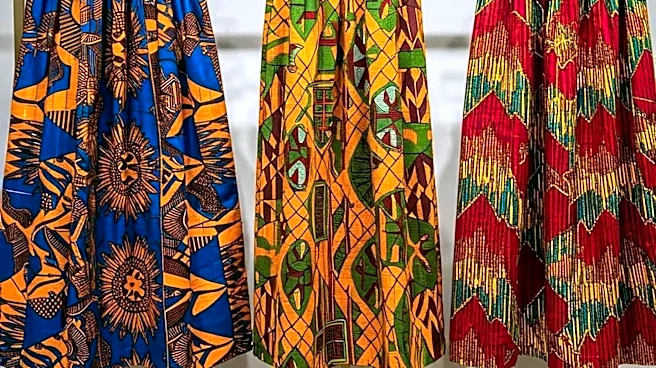
African textiles such as Ankara, Kente, and mudcloth are increasingly featured on international runways, including those in New York and Paris. This surge in popularity is driven by designers seeking authentic storytelling and global consumers desiring
heritage-rich fashion. The trend marks a significant shift from past practices, with luxury houses now engaging in collaborations with African designers and artisans, rather than merely appropriating prints. This movement is seen as an overdue recognition of decades of craftsmanship and a fashion industry learning to celebrate culture authentically. These fabrics carry rich histories and meanings; for instance, Kente cloth from Ghana signifies royalty and spirituality, while Ankara, though with Dutch origins, became a symbol of identity in West Africa. Mudcloth from Mali conveys social status and protection.
Why It's Important?
The growing global prominence of African fabrics signifies a crucial evolution in the fashion industry towards greater cultural respect, authenticity, and ethical sourcing. This shift addresses historical issues of cultural appropriation by promoting direct collaborations and acknowledging the origins and meanings behind these textiles. For African designers and artisans, this provides increased visibility, economic opportunities, and rightful credit for their creative work. For consumers, it offers products with genuine cultural weight and backstory, aligning with a growing demand for transparency and ethical consumption. This movement not only enriches global fashion aesthetics but also fosters a more equitable and inclusive industry, potentially leading to long-term economic benefits for African communities involved in textile production.
What's Next?
Momentum for African textiles in global fashion is expected to continue building. Increased international press coverage of African fashion weeks in cities like Lagos, Johannesburg, and Nairobi will likely create more direct pipelines between African ateliers and global retailers. There will be a growing emphasis on transparency in sourcing, ethical partnerships, and fair trade practices. Designers and brands will face greater scrutiny to ensure they are giving credit and financial compensation where due. African prints and patterns are also expected to expand further beyond traditional clothing into lifestyle products such as sneakers, furniture, luggage, and stationery, indicating their establishment as a versatile design language rather than a fleeting trend.
Beyond the Headlines
The integration of African fabrics into haute couture and mainstream fashion represents more than just a trend; it's a powerful statement about decolonizing fashion and challenging Eurocentric dominance in the industry. By valuing and showcasing these textiles, the fashion world is acknowledging the rich artistic and cultural heritage of Africa, which has often been overlooked or exploited. This movement encourages a deeper understanding of global interconnectedness and the importance of cultural exchange built on respect and equity. It also highlights the potential for fashion to be a tool for social and economic empowerment, fostering sustainable development and preserving traditional craftsmanship in African communities. This shift could inspire similar recognitions of other underrepresented cultural aesthetics in the global marketplace.