





What's Happening?
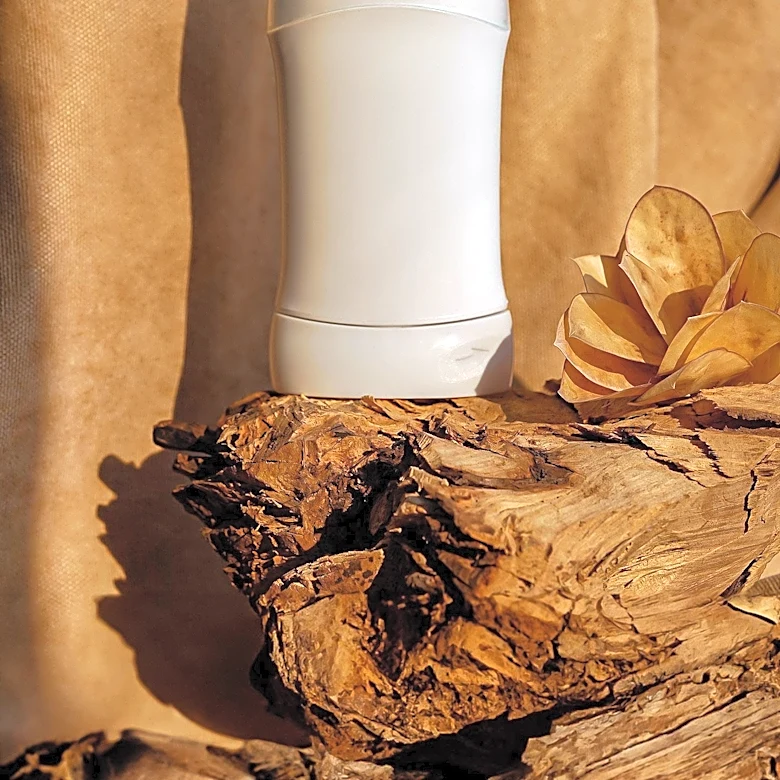
Natural deodorants are gaining popularity for their aluminum-free, skin-friendly botanical formulas that effectively neutralize odor-causing bacteria. These products are designed to provide all-day odor control without clogging pores, making them suitable
for sensitive skin. They are free from aluminum salts, parabens, and harsh alcohols, which are common in traditional antiperspirants. The transition from antiperspirants to natural deodorants may require an adjustment period of a few weeks. These deodorants are crafted with highly refined, biocompatible ingredients that align with the skin's natural biology, ensuring comfort and preventing chronic irritation. They are available in various scents and formulations, including options without baking soda for those with sensitive skin.
Why It's Important?
The shift towards natural deodorants reflects a growing consumer demand for personal care products that prioritize health and environmental sustainability. By eliminating aluminum and other harsh chemicals, these products reduce the risk of skin irritation and potential health concerns associated with long-term exposure to such ingredients. This trend also aligns with a broader movement towards clean beauty, where consumers are increasingly aware of the ingredients in their personal care products. The rise of natural deodorants could influence the market by encouraging traditional brands to reformulate their products to meet consumer expectations for safer, more natural options.
What's Next?
As consumer awareness and demand for natural products continue to grow, it is likely that more brands will enter the market with innovative formulations. This could lead to increased competition and potentially lower prices, making natural deodorants more accessible to a wider audience. Additionally, ongoing research and development may result in improved efficacy and a broader range of options to cater to diverse consumer needs. Regulatory bodies may also begin to scrutinize the claims made by natural deodorant brands, ensuring that they meet certain standards of safety and effectiveness.