
What's Happening?
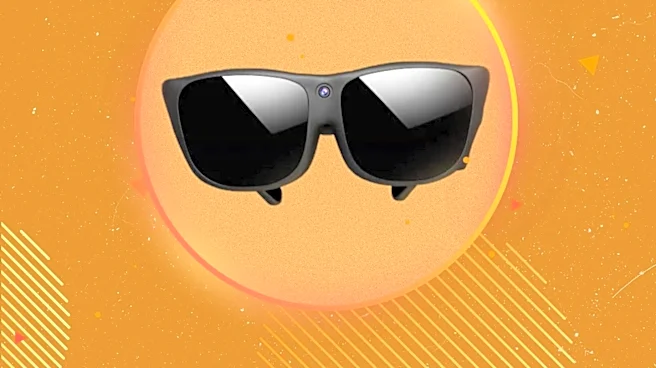
Smart glasses, a growing segment of wearable technology, are raising significant privacy concerns in the U.S. Meta, Apple, and Google are among the companies advancing in this space, with devices that
integrate AI to provide real-time information. However, the legal framework governing privacy for these devices is inconsistent and fragmented across states. Current laws, such as the Health Insurance Portability and Accountability Act (HIPAA), do not adequately cover the data collected by smart glasses, especially concerning bystanders who may be recorded without consent. Some states, like Pennsylvania and New York, are beginning to address these gaps with specific legislation, but the overall approach remains piecemeal.
Why It's Important?
The proliferation of smart glasses could significantly alter societal norms around privacy, as these devices can record and process data without the knowledge or consent of those being observed. This raises ethical and legal questions about surveillance and data protection. The lack of comprehensive federal legislation leaves individuals vulnerable to privacy infringements, potentially making privacy a luxury only accessible to those who can afford to opt out of using such technologies. The situation underscores the need for updated privacy laws that reflect the capabilities and implications of modern technology.
What's Next?
As smart glasses become more widespread, there will likely be increased calls for federal legislation to standardize privacy protections across the U.S. This could involve new laws that specifically address the unique challenges posed by wearable technologies. In the meantime, states may continue to implement their own regulations, leading to a patchwork of laws that could complicate compliance for tech companies. The development of industry standards and best practices may also play a role in shaping the future of privacy in the context of smart glasses.