






What's Happening?
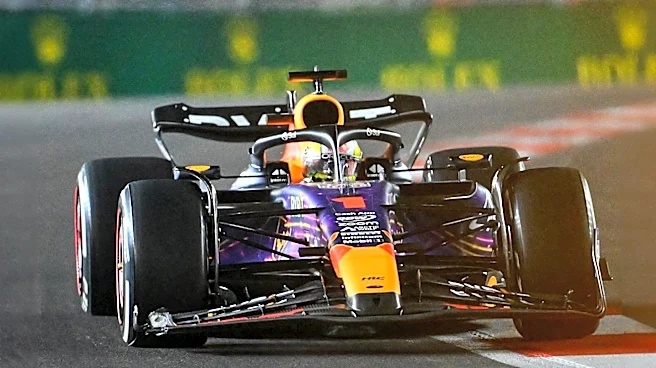
Pierre Gasly's third-place finish at the Monaco Grand Prix is currently under review by the FIA's International Court of Appeal (ICA). The final decision on whether Gasly will retain his podium position could take two to three weeks due to the complexity
of the case, according to TyC Sports. Gasly's podium was initially revoked after the race due to a measurement error in the pit lane speed limit system. However, Alpine, Gasly's team, successfully contested this decision, providing evidence that the values used by the FIA for calculating average speed were erroneous, with a 77-centimeter difference between the model and reality. This led to the reinstatement of Gasly's third place and 15 points. The initial penalty had caused Gasly to drop to seventh place, with Isaac Hadjar of Red Bull temporarily taking the third spot. The controversy arose because other drivers who received similar erroneous penalties had served them during the race, making it impossible to reverse their situations. Red Bull and McLaren subsequently appealed to the ICA on June 16, arguing that the process of removing the penalty raised significant concerns about fairness for all competitors.
Why It's Important?
The outcome of the ICA's review holds significant implications for both Pierre Gasly and the Alpine team, as well as for the broader fairness and consistency of penalty enforcement in Formula 1. If Gasly's podium is overturned, he would lose nine points, dropping his total from 44 to 35 in the Drivers' Championship. For Alpine, this would mean a deduction of nine points, reducing their Constructors' Championship total from 63 to 54. This potential shift is particularly critical as Alpine is in a direct battle with Racing Bulls for fifth position in the Constructors' standings. A reversal would extend the gap between the two teams to 16 units, as Liam Lawson and Arvid Lindblad, who finished sixth and seventh in Monaco, would each move up a position, granting Racing Bulls an additional four points. Beyond the immediate points implications, the case also addresses fundamental principles regarding how penalties are governed in Formula 1, potentially setting a precedent for future incidents involving technical errors in race officiating. The decision will impact the competitive landscape and financial allocations tied to championship standings.
What's Next?
The FIA's International Court of Appeal has indicated that a final decision on Pierre Gasly's Monaco Grand Prix podium will be delivered within two to three weeks. This ruling will definitively determine whether Gasly retains his third-place finish or if Isaac Hadjar (Red Bull) will reclaim that position, with Oscar Piastri (McLaren) moving up to fourth. Alpine will need to closely monitor the court's verdict, as it could significantly impact their season, particularly with the Italian Grand Prix approaching on September 6. The decision will also be closely watched by other teams, especially Red Bull and McLaren, who initiated the appeal, as it will clarify the FIA's stance on the validity of post-race penalty reversals due to technical errors. The outcome could influence future strategies for challenging race decisions and the overall confidence in the consistency of F1's regulatory framework.
Beyond the Headlines
This case extends beyond a simple points dispute, touching upon the ethical and procedural integrity of Formula 1 officiating. The initial error in the pit lane speed measurement system highlights the critical reliance on accurate technology in high-stakes sports and the potential for technical glitches to unfairly impact competitive outcomes. The subsequent reversal of Gasly's penalty, while seemingly correcting an injustice, created a new controversy by treating one driver differently from others who had already served similar, albeit erroneously issued, penalties. This raises questions about equitable treatment and the practical challenges of rectifying errors retrospectively in a live racing environment. The ICA's decision will not only resolve Gasly's specific situation but could also influence future FIA protocols for reviewing and implementing penalties, potentially leading to more robust systems for real-time error detection or standardized procedures for addressing post-race technical discrepancies to ensure fairness across the grid. The long-term shift could be towards greater transparency and accountability in race management.