



What's Happening?
Gen Z is spearheading a significant shift in beauty trends, moving away from the once-popular dramatic lip fillers towards more natural and subtle lip enhancements. This generation, having witnessed the 'filler era' and its potential negative outcomes,
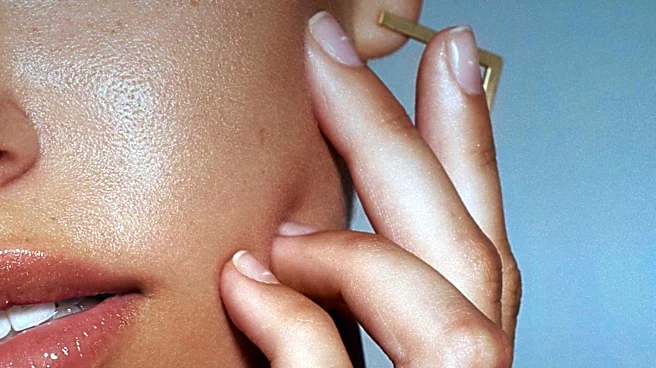
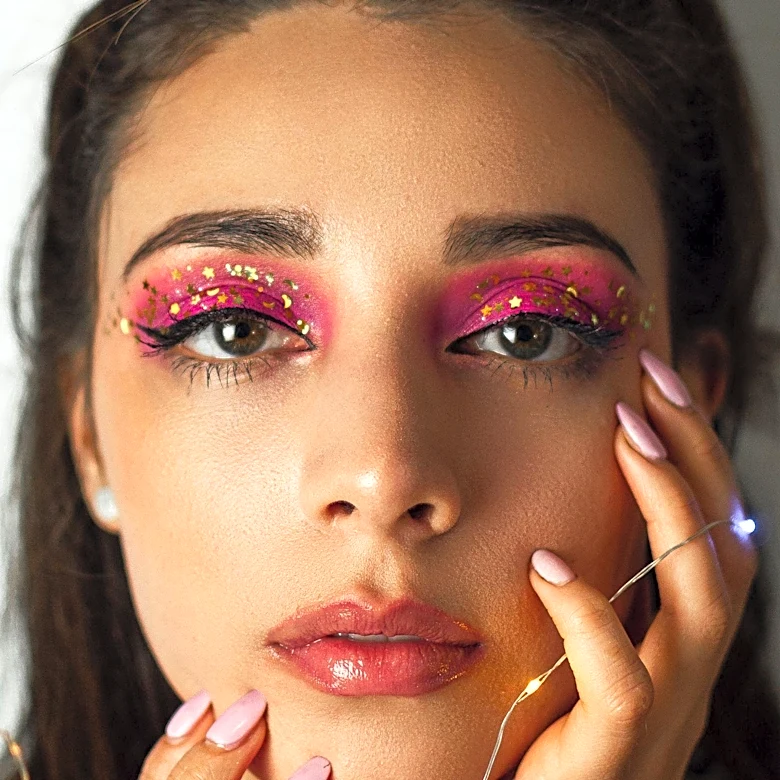
now favors products like gloss, tinted oils, and lip liners that create the illusion of fuller lips without invasive procedures. The aesthetic goal has transitioned from an 'overfilled' look to one that suggests 'I woke up like this, I just used a tinted balm.' This change is influenced by a desire for individuality, a rejection of the 'sameness' often seen in influencer culture, and financial considerations, as fillers are a costly, ongoing commitment. Celebrities who previously embraced fillers are now publicly dissolving them, further validating this trend.
Why It's Important?
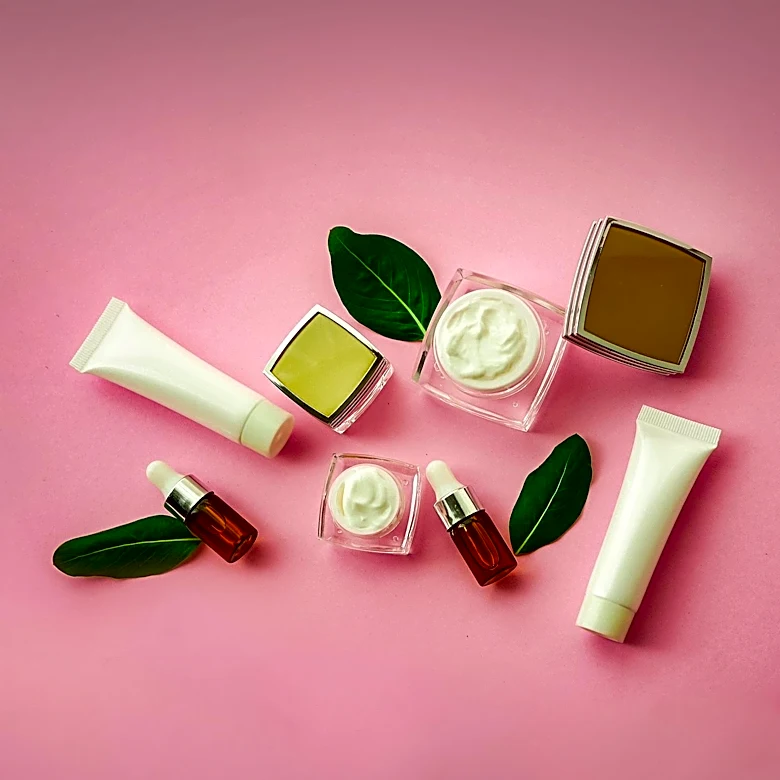
This evolving beauty preference holds substantial importance for the U.S. cosmetic and beauty industries. The decline in demand for dramatic lip fillers could lead to a re-evaluation of services offered by aesthetic clinics, potentially shifting focus towards 'baby filler' or micro-enhancements aimed at hydration and subtle shaping. For makeup brands, this presents a significant opportunity to innovate and market affordable lip products that deliver natural-looking volume and shine. The emphasis on cost-effectiveness, with a $9 lip liner yielding a higher return on investment than expensive fillers, highlights a practical consumer mindset. This trend also underscores the powerful influence of Gen Z as a consumer demographic, capable of reshaping industry standards and product development based on their values of authenticity and financial prudence.
What's Next?
In the immediate future, the beauty market is expected to see an influx of new lip products designed to achieve a 'juicy, glassy' or 'stained and bitten' look. Brands will likely focus on formulations that offer high shine, moisturizing benefits, and subtle color. The 'halo lip' and 'Gen Z pout' techniques, which involve diffused liner and smudging for a naturally plump appearance, are also anticipated to gain wider adoption. Aesthetic practitioners may adapt by offering more conservative treatments, such as lip flips or half-syringes of filler, prioritizing hydration and shape over drastic size increases. The industry will need to continue monitoring Gen Z's preferences, as their rapid adoption and abandonment of trends can quickly alter market demands.
Beyond the Headlines
Beyond the commercial implications, this trend reflects a broader cultural commentary on beauty standards and self-perception. Gen Z's rejection of the 'escape filter' aesthetic and their embrace of 'being a little weird on purpose' suggests a move towards celebrating unique features rather than conforming to a singular ideal. The 'filler regret wave' among public figures also highlights the psychological and physical toll of chasing fleeting beauty trends. This shift encourages a more mindful approach to cosmetic procedures, emphasizing that personal style and comfort should outweigh transient fads. It also brings to light the ethical considerations for practitioners, urging them to prioritize natural results and client well-being over trend-driven demands, fostering a more authentic and less pressured beauty environment.