




What's Happening?
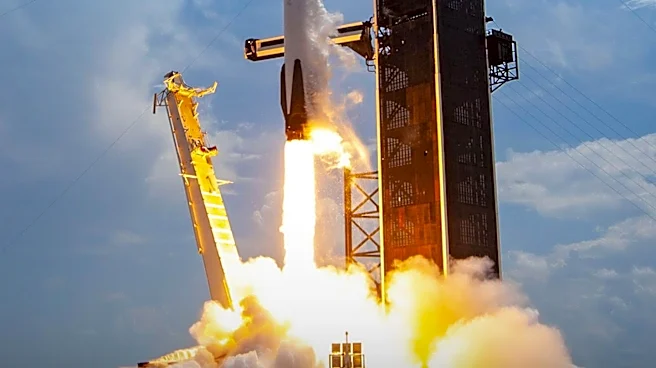
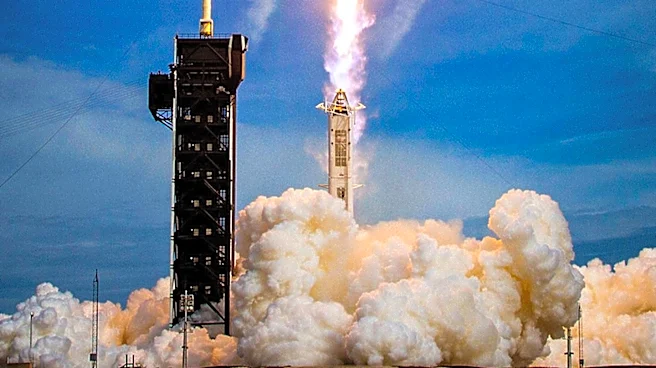
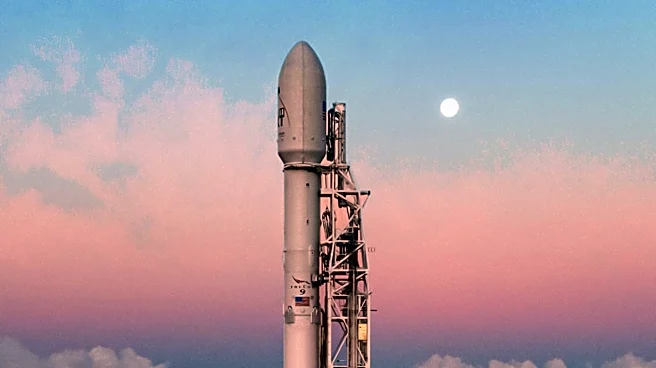
SpaceX was set to launch a Falcon 9 rocket from Cape Canaveral Space Force Station to deliver a batch of Starlink V2 Mini Optimized satellites to low Earth orbit. However, the launch was scrubbed hours before the scheduled liftoff due to unspecified reasons.
The mission, known as Starlink 10-19, marks the 72nd flight of these broadband internet satellites in 2026. The launch has been rescheduled for Tuesday, August 11, with a new liftoff time of 10:26 a.m. EDT. The Falcon 9 rocket will follow a northeasterly trajectory, and the first stage booster is set to land on the droneship 'A Shortfall of Gravitas' in the Atlantic Ocean.
Why It's Important?
The Starlink project is a significant part of SpaceX's efforts to provide global broadband internet coverage, particularly in underserved areas. Each successful launch adds to the growing constellation of satellites, enhancing internet connectivity and coverage. The rescheduling of the launch highlights the challenges and complexities involved in space missions, where weather and technical issues can lead to delays. The mission's success is crucial for maintaining the momentum of SpaceX's ambitious launch schedule and for meeting the increasing demand for satellite internet services.
What's Next?
SpaceX will proceed with the rescheduled launch on August 11, with live coverage available for space enthusiasts and stakeholders. The company will continue to monitor weather conditions and technical parameters to ensure a successful launch. The outcome of this mission will contribute to the ongoing expansion of the Starlink network, with future launches planned to further increase satellite coverage and capacity.