




What's Happening?
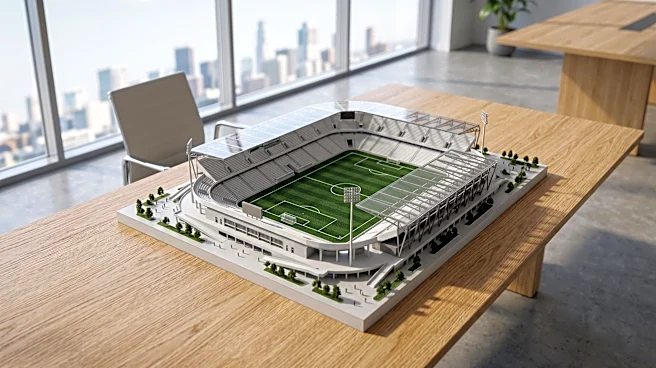
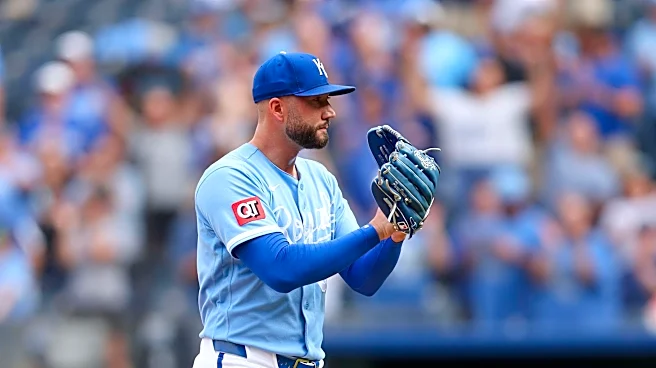
A Kansas City committee has recommended the approval of three key measures related to the development of a new Kansas City Royals stadium at Crown Center. These recommendations include rezoning a 68-acre area located south of Pershing Road, west of Gillham
Road, north of E. 27th Street, and east of Main Street. Additionally, the committee advised enacting a new stadium impact area policy, based on recommendations from the Tax Increment Financing Commission. The third significant recommendation is the issuance of approximately $600 million in bonds. These bonds are intended to cover the city's portion of the estimated $1.9 billion stadium project. The Royals organization also plans a privately funded, billion-dollar mixed-use development and a reimagined Crown Center in collaboration with Hallmark Cards. Councilman Crispin Rea emphasized the high stakes and long-term nature of this substantial investment during the committee meeting. The city aims to ensure sufficient tax collection over the next 30 years to repay the estimated nearly $1.4 billion in debt service before authorizing the bonds through the Missouri Development Finance Board.
Why It's Important?
This development is crucial for Kansas City as it signifies a major shift in the city's urban landscape and economic strategy. The proposed $1.9 billion stadium project, coupled with a billion-dollar mixed-use development, represents a significant investment that could reshape the Crown Center area. For the Kansas City Royals, securing this funding and rezoning is essential for their planned relocation from the Truman Sports Complex. The project's success hinges on the city's ability to generate enough tax revenue over three decades to cover the substantial debt service, impacting local taxpayers and future municipal budgets. The partnership with Hallmark Cards for the privately funded mixed-use development indicates a collaborative effort between public and private entities, potentially setting a precedent for future large-scale urban projects. The decision will influence local employment, property values, and the overall economic vitality of the downtown area, with both potential gains from increased tourism and business activity, and risks associated with long-term debt obligations.
What's Next?
The next step involves the city's authorization of the $600 million in bonds by the Missouri Development Finance Board. This authorization is contingent on the city's assurance that it can collect enough taxes over the next 30 years to repay the estimated nearly $1.4 billion in debt service. Following bond approval, the rezoning of the 68-acre area and the implementation of the new stadium impact area policy would proceed. The Kansas City Royals, in partnership with Hallmark Cards, would then move forward with their privately funded billion-dollar mixed-use development and the reimagining of Crown Center. The project will likely face continued scrutiny regarding its financial viability and its long-term impact on the community. Public discussions and further detailed financial analyses are anticipated as the city moves closer to making a final decision on this significant urban development.
Beyond the Headlines
Beyond the immediate financial and logistical considerations, this project carries deeper implications for Kansas City's identity and urban planning philosophy. The relocation of a major sports franchise like the Royals from a long-standing home to a downtown location reflects a broader trend in U.S. cities to revitalize urban cores through sports and entertainment complexes. This move could transform Crown Center into a vibrant hub, potentially attracting new residents and businesses, but also raising questions about gentrification and displacement for existing communities. The substantial public investment in the stadium, alongside private development, highlights the ongoing debate about the role of public funds in supporting professional sports. The long-term success of the mixed-use development will depend not only on the stadium's appeal but also on its integration with the surrounding urban fabric, potentially setting a new standard for how sports facilities can contribute to comprehensive urban renewal.