






What's Happening?
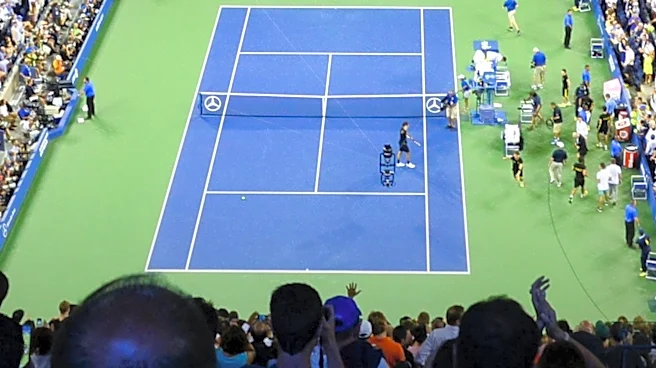
The U.S. Tennis Association (USTA) partnered with Love Serving Autism, a national nonprofit based in Florida, to host an event at the US Open for young athletes with autism. This initiative utilizes racquet sports such as tennis, pickleball, and padel
as specialized therapy to support participants' developmental needs, physical health, and communication skills. Lexi Fendelle, a 22-year-old participant, expressed that the program instills a belief in achieving anything one sets their mind to. Coaches, along with speech, occupational, physical, and behavioral therapists, worked with the athletes to enhance motor skills, encourage social engagement, and build confidence. Lisa Pugliese-LaCroix, CEO and founder of Love Serving Autism, a former professional tennis player and certified speech-language pathologist specializing in autism, designed the program to cater to the needs of her patients. Since its inception in 2017, the program has expanded to 77 locations both within the U.S. and internationally, with over 6,000 participants last year, ranging from three years old. The Centers for Disease Control reports that approximately 1 in 31 children over the age of 8 in the U.S. are diagnosed with autism, and research suggests a genetic cause for a significant number of these cases.
Why It's Important?
This collaboration highlights the growing recognition of adaptive sports as a therapeutic tool for individuals with autism. By providing structured physical activity and social interaction, programs like Love Serving Autism contribute significantly to the holistic development of participants. The involvement of the USTA lends credibility and visibility to these efforts, potentially encouraging broader adoption and support for similar initiatives nationwide. For families affected by autism, such programs offer valuable resources for skill development, community integration, and improved quality of life. The focus on racquet sports, which require coordination, strategic thinking, and communication, can help individuals with autism develop crucial life skills in an engaging environment. Furthermore, the program's expansion demonstrates a scalable model for therapeutic interventions, addressing a significant public health need given the prevalence of autism in the U.S.
What's Next?
Love Serving Autism, which primarily relies on private donations and grants, will likely continue its expansion efforts, potentially reaching more communities and individuals across the U.S. and abroad. The ongoing partnership with the USTA is crucial for sustained growth and increased outreach. Future events at high-profile venues like the US Open could become regular occurrences, further raising awareness and attracting more participants and volunteers. The success of this model may also inspire other sports organizations to develop similar adaptive programs for various disabilities, fostering a more inclusive environment in sports. Continued research into the long-term benefits of such therapeutic interventions could also lead to more targeted and effective program designs, further enhancing the positive impact on individuals with autism.
Beyond the Headlines
The initiative transcends typical sports events by addressing the broader societal challenge of inclusivity for individuals with developmental disorders. It underscores the power of sports as a vehicle for social change, promoting acceptance and understanding. The program's emphasis on developing communication and social skills through play can have profound long-term effects, helping participants integrate more fully into society and achieve greater independence. Ethically, it highlights the responsibility of major sports organizations to leverage their platforms for social good, ensuring that opportunities are accessible to all. Culturally, it helps shift perceptions of autism, moving beyond stereotypes to showcase the capabilities and potential of individuals on the spectrum. This model could also influence public policy, encouraging greater funding and support for adaptive sports and therapeutic programs for individuals with autism.