


What's Happening?
The US Open has revoked the credentials of lifestyle influencers Meg Radice and Audrey Jongens, known for their 'The VIP List' platform, just hours after they posted photos of their passes online. Initially, the influencers claimed their credentials were
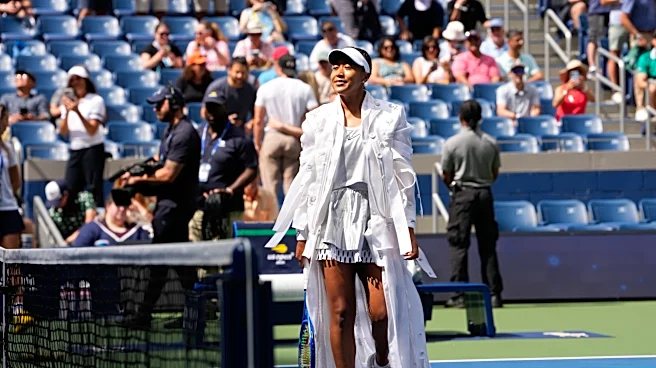
removed for sharing images of their passes, which is against tournament policy. However, a United States Tennis Association (USTA) spokesperson, Brendan McIntyre, clarified that the revocation was due to improper credential submission. Radice and Jongens were not credentialed as media or content creators but were instead submitted on a staff list by a food vendor, which is a violation of US Open policy. This incident occurs amidst broader criticism regarding the conduct of influencers at the tournament, including disruptions during matches, such as those involving Naomi Osaka's first-round game where influencers used bright lights and caused audible disturbances. The USTA has increased the number of credentialed content creators this year, leading to a debate among fans and players about maintaining tennis etiquette.
Why It's Important?
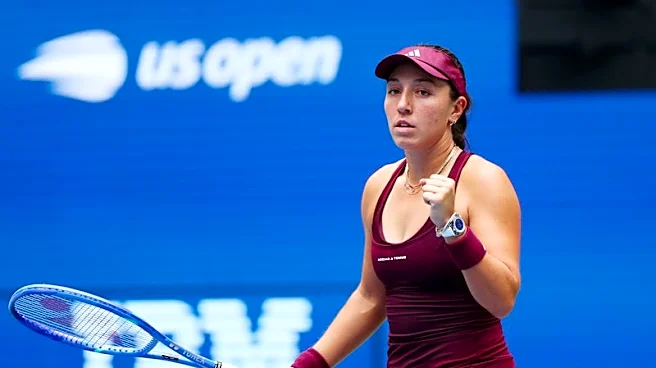
This incident highlights the growing tension between traditional sports event decorum and the modern demands of digital content creation. The US Open's decision to revoke credentials, particularly for improper submission, underscores the importance of adherence to established protocols, even for high-profile social media personalities. The broader controversy surrounding influencer behavior, such as disruptions during live matches, raises questions about the balance between attracting new, younger audiences through influencer engagement and preserving the integrity and respect for the sport. Players like Naomi Osaka and Jessica Pegula have voiced concerns about the distractions, emphasizing the need for respect for the athletes and the game. This situation could influence how major sporting events manage media and content creator access in the future, potentially leading to stricter guidelines and enforcement to prevent disruptions and ensure fair play.
What's Next?
Following these incidents, the US Open is expected to implement stricter enforcement of its credentialing policies and codes of conduct for all attendees, especially content creators. Brendan McIntyre, the USTA's managing director and US Open's Head of Communications, has already indicated a stricter approach, notifying attendees to refrain from disruptive activities like flash photography. There may be a re-evaluation of the criteria for credentialing influencers and clearer communication of rules regarding on-site behavior. This could lead to a more structured framework for influencer engagement at future tournaments, potentially including mandatory briefings on etiquette and stricter penalties for violations. The debate among tennis stars regarding the presence of influencers is likely to continue, influencing future decisions by the USTA on how to integrate digital media personalities without compromising the sporting experience.
Beyond the Headlines
The controversy at the US Open reflects a larger cultural shift where the lines between traditional media, entertainment, and live events are increasingly blurred by social media. The drive to engage younger demographics through influencers presents both opportunities and challenges for established institutions. While influencers can broaden a sport's appeal, their presence can also clash with long-standing traditions and expectations of audience behavior. This situation brings to light ethical considerations regarding authenticity and transparency in credentialing, as well as the responsibility of content creators to respect the environments they operate in. The incident also sparks a broader discussion about the commercialization of sports events and how organizations navigate the pressure to generate buzz versus maintaining the core values and experience of the sport itself. The long-term implications could involve a redefinition of 'fan experience' at major sporting events, balancing accessibility with respect for the game.