







What's Happening?
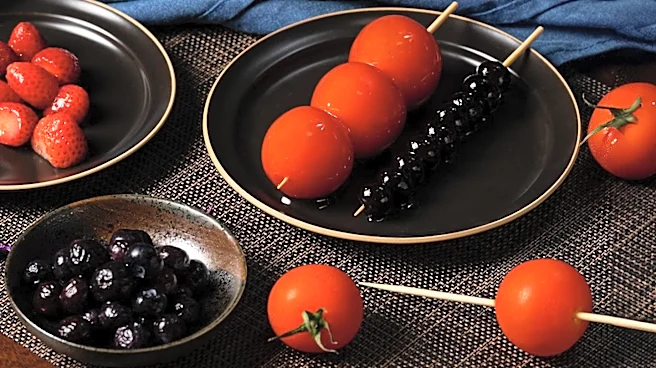
Indigo Blue Berries cherry tomatoes, a small, pigmented variety, were developed in the early 21st century in the United States. These tomatoes are botanically classified as Solanum lycopersicum and belong to the nightshade family. They ripen in approximately
75 days and were created through natural breeding techniques, not genetic modification, to increase their anthocyanin content. Anthocyanin is the pigment responsible for their dark blue-purple coloration and provides additional nutritional benefits. Also known as Blue Boar Berries, these cherry tomatoes are primarily cultivated by home gardeners as a novelty. They are favored for their crack resistance, disease tolerance, and extended shelf life. The first improved commercial blue tomato variety, Indigo Rose, was developed by Dr. Jim Myers at Oregon State University, who spent over 12 years crossbreeding wild tomatoes from the Galapagos Islands and South America to enhance flavor and nutritional value. Bradley Gates of Wild Boar Farms in St. Helena, Napa Valley, further developed numerous blue tomato varieties, including Indigo Blue Berries, around 2015.
Why It's Important?
The development of Indigo Blue Berries cherry tomatoes signifies an ongoing trend in horticulture to enhance the nutritional value and aesthetic appeal of common produce through natural breeding. The increased anthocyanin content in these tomatoes offers additional health benefits, as anthocyanins are potent antioxidants. This innovation provides consumers with a more nutritious option while also catering to the growing interest in unique and visually appealing food items for home gardens. The focus on natural breeding techniques, explicitly avoiding GMOs, addresses consumer preferences for naturally developed produce. Furthermore, the efforts of breeders like Dr. Jim Myers and Bradley Gates highlight the dedication within the agricultural community to improve crop characteristics, such as crack resistance and disease tolerance, which can reduce waste and improve yield for home growers. This contributes to a more diverse and resilient food system, even if primarily at the home garden level.
What's Next?
Indigo Blue Berries cherry tomatoes are currently primarily a home garden cultivar, and their commercial cultivation remains limited to local growers and specialty markets like roadside stands and farmers' markets, mainly in California and other warm regions of the United States. Future developments may include further breeding efforts to enhance flavor profiles, expand their growing regions, or improve their commercial viability. As consumer demand for nutrient-dense and visually appealing produce continues to grow, there might be increased interest from larger agricultural operations to scale up production, provided challenges related to commercial cultivation can be addressed. Research into the specific health benefits of their high anthocyanin content could also lead to broader recognition and demand. The ongoing work of breeders like Bradley Gates suggests a continued evolution of unique tomato varieties, pushing the boundaries of what is available to both home gardeners and potentially, the wider market.
Beyond the Headlines
The emergence of varieties like Indigo Blue Berries cherry tomatoes reflects a broader cultural appreciation for food that is not only nutritious but also aesthetically engaging. This trend aligns with the 'farm-to-table' movement and a desire for greater transparency in food sourcing and development. The emphasis on natural breeding over genetic modification speaks to a consumer preference for perceived 'naturalness' in food, influencing agricultural research and development. Beyond the garden, these unique produce items can spark conversations about food diversity, the science of plant breeding, and the role of antioxidants in diet. The visual appeal of these tomatoes can also inspire culinary creativity, encouraging home cooks and chefs to experiment with new ingredients and presentations. Ultimately, these developments contribute to a more vibrant and informed food culture, where consumers are increasingly aware of the origins and characteristics of their food.