





What's Happening?
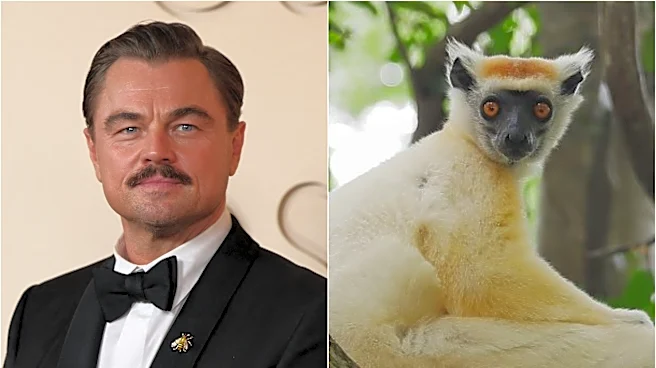
Leonardo DiCaprio and Jeff Bezos have announced a $200 million initiative aimed at protecting 100 of the world's most endangered species. The Phoenix Species Project, led by DiCaprio's Re:wild and the Bezos Earth Fund, is the largest fund dedicated to
recovering critically endangered species. The project will focus on species threatened by climate change, such as the golden-crowned sifaka and the Hickory Nut Gorge green salamander. The initiative involves collaboration with local governments, environmental groups, and Indigenous communities to reverse the decline of vulnerable species.
Why It's Important?
This initiative represents a significant investment in biodiversity conservation, highlighting the role of private philanthropy in addressing global environmental challenges. By focusing on critically endangered species, the project aims to prevent extinctions and preserve ecosystems that are vital for maintaining biodiversity. The involvement of high-profile figures like DiCaprio and Bezos brings attention to the urgent need for conservation efforts, potentially inspiring further investments and collaborations. The project also underscores the interconnectedness of climate change and species survival, emphasizing the need for comprehensive environmental strategies.
What's Next?
The Phoenix Species Project will likely lead to increased collaboration between conservation organizations and local communities, fostering innovative approaches to species recovery. The initiative's success could set a precedent for future conservation efforts, encouraging more private sector involvement in environmental protection. Monitoring and evaluation of the project's impact will be crucial in assessing its effectiveness and guiding future conservation strategies. As the project progresses, it may also influence public policy and funding priorities related to biodiversity and climate change.
Beyond the Headlines
The project highlights the ethical responsibility of wealthy individuals and organizations to contribute to global environmental solutions. It also raises questions about the role of private philanthropy in shaping conservation agendas and the potential for such initiatives to drive systemic change. The focus on endangered species serves as a reminder of the broader ecological impacts of climate change and the need for integrated approaches to environmental sustainability.