




What's Happening?
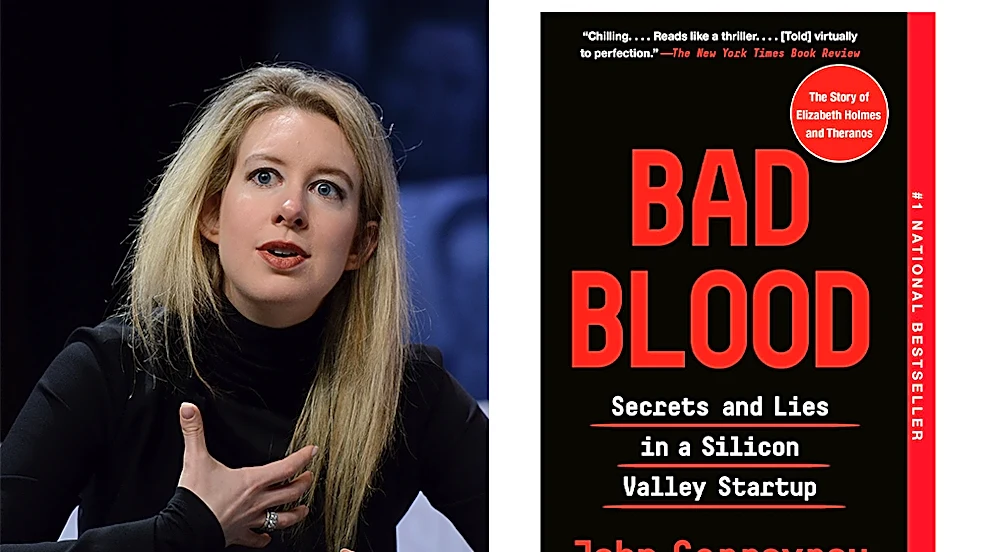
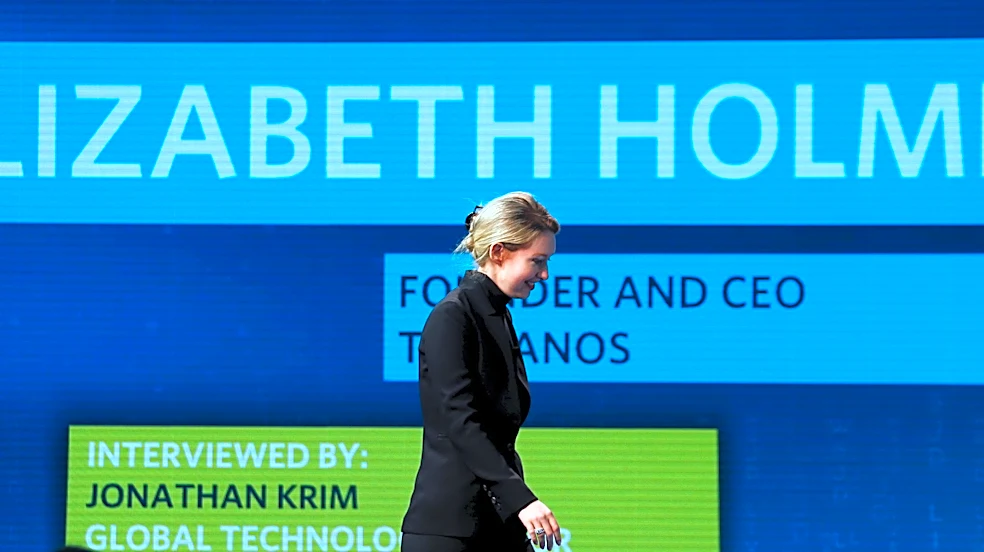
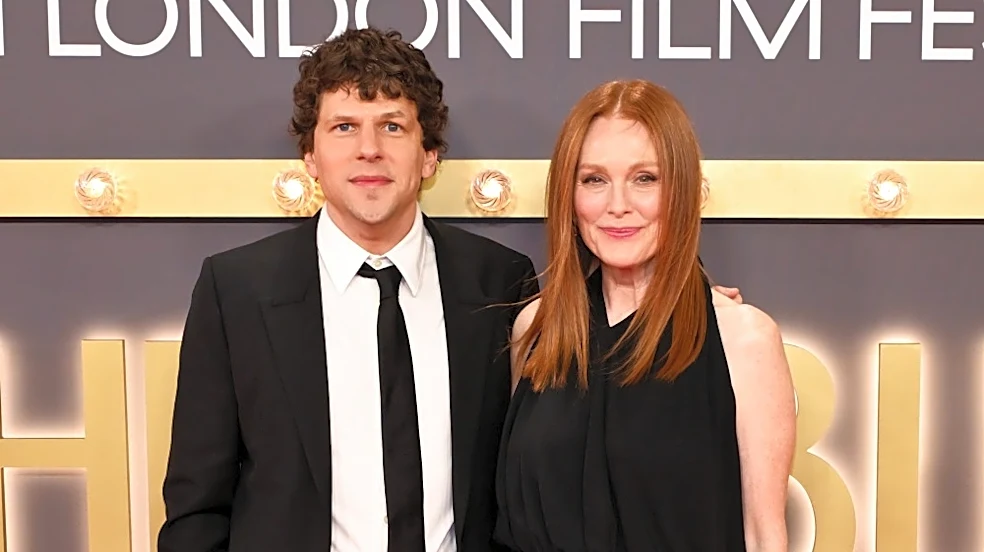
Filmmaker Lance Oppenheim revealed that Nathan Fielder, his co-director for the documentary 'You Can See Everything,' negotiated an unusual 'kill switch' clause with A24 for their project on Elizabeth Holmes. Fielder was skeptical about finding new ground
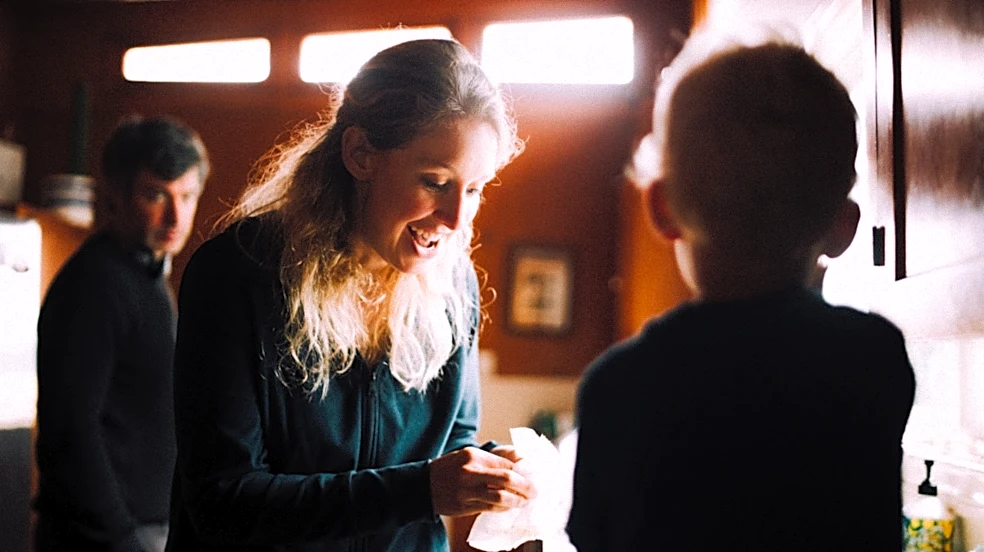
in the already extensively covered story of the disgraced Theranos founder. The agreement allowed them to abandon the project at any time if they felt there wasn't a compelling film to be made. The idea for the documentary arose when Oppenheim heard a rumor that Holmes had approached A24 about filming a documentary before her May 30, 2023, prison sentence began. Fielder, initially hesitant due to the story's previous coverage in podcasts, books, and other documentaries, agreed to the arrangement. This 'kill switch' provided Fielder and Oppenheim the freedom to explore Holmes's story without the pressure of guaranteed completion, fostering an environment of pure curiosity during their 34 days of filming at Holmes's Del Mar cottage before her incarceration.
Why It's Important?
The 'kill switch' negotiation for 'You Can See Everything' represents a significant departure from typical documentary production models, highlighting a unique approach to creative freedom and risk management in filmmaking. This arrangement allowed the filmmakers to prioritize artistic integrity and genuine discovery over commercial pressures, which is rare in an industry often driven by deadlines and deliverables. For A24, agreeing to such a clause demonstrates a willingness to invest in a process-oriented approach, trusting the filmmakers' judgment even if it meant potentially losing their investment. This could set a precedent for how studios and production companies engage with talent, particularly for sensitive or high-profile subjects where the narrative outcome is uncertain. The story of Elizabeth Holmes has been extensively documented, and Fielder's skepticism underscores the challenge of finding fresh perspectives. The 'kill switch' enabled them to delve into the nuances of her domestic life and the divergent interpretations among the crew, ultimately shaping the film's core concept around the ambiguity of truth and performance.
What's Next?
The success of 'You Can See Everything' and the unique 'kill switch' arrangement could influence future documentary productions, potentially encouraging more filmmakers to seek similar clauses to protect their creative vision. This model might be particularly appealing for projects dealing with complex or controversial subjects where the narrative is still unfolding or highly subjective. For Nathan Fielder and Lance Oppenheim, this collaboration could solidify their reputation for innovative storytelling and unconventional production methods. The film's exploration of the 'cognitive dissonance' and the layered nature of reality, as described by Oppenheim, suggests a deeper engagement with the subject matter that might not have been possible under traditional production constraints. The documentary's reception will likely be scrutinized not only for its content but also for the process behind its creation, potentially sparking discussions within the film industry about balancing creative freedom with financial viability.
Beyond the Headlines
The 'kill switch' concept in documentary filmmaking touches upon deeper ethical and artistic considerations. It raises questions about the responsibility of filmmakers when documenting real-life subjects, especially those involved in public controversies. By removing the pressure to produce a finished product, Fielder and Oppenheim were able to approach Holmes's story with a heightened sense of inquiry, allowing for a more authentic and less predetermined narrative. This approach challenges the traditional power dynamics between subjects, filmmakers, and studios, potentially leading to more nuanced and less exploitative portrayals. The film's focus on the divergent interpretations among the crew members—even on mundane observations—highlights the subjective nature of truth and perception, particularly when dealing with a figure known for 'master deception.' This meta-narrative element could prompt audiences to critically examine their own biases and the constructed nature of media portrayals, fostering a more sophisticated engagement with documentary as a form of truth-telling.