




What's Happening?
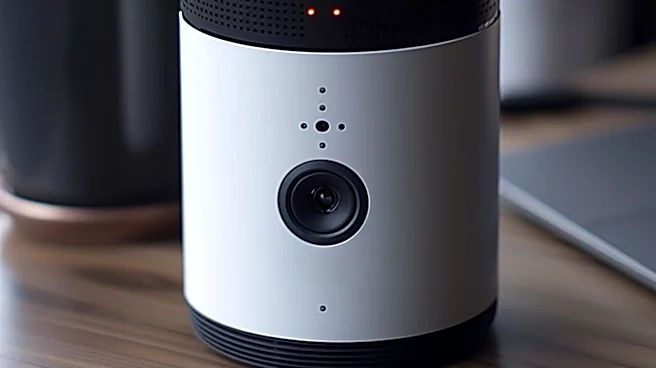
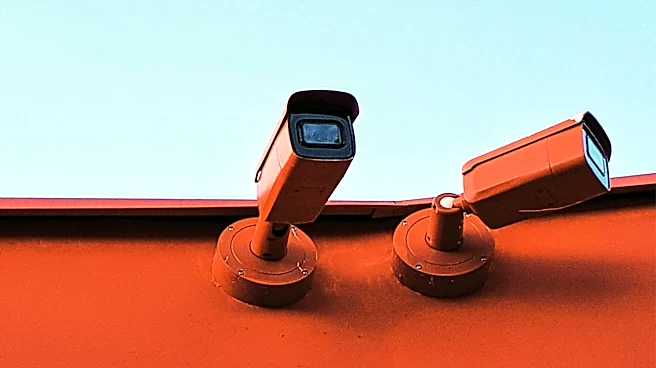
The trend of 'surveillance selfies' is gaining popularity as individuals creatively use security cameras to capture self-portraits. This phenomenon involves people taking photos of themselves through various surveillance devices, such as doorbell cameras and
backup cameras in cars. Notable figures like Alexa Chung have embraced this trend, posting images captured by security cameras outside their homes. The trend is seen as a playful interaction with the pervasive surveillance culture, allowing individuals to take control of their image in a world where they are constantly being watched. This practice has sparked discussions about privacy, as these cameras are often linked to larger surveillance networks, raising concerns about data security and the implications of being constantly monitored.
Why It's Important?
The rise of surveillance selfies highlights the growing intersection between personal privacy and technology. As more households adopt video-enabled doorbells and other surveillance devices, the potential for privacy invasion increases. This trend reflects a societal shift towards normalizing constant surveillance, which could have significant implications for privacy rights and civil liberties. The playful use of surveillance cameras for selfies may desensitize individuals to the broader implications of being monitored, potentially leading to greater acceptance of surveillance technologies. This normalization could benefit companies like Amazon, which owns Ring, by increasing consumer comfort with their products, but it also raises ethical concerns about the extent of surveillance in everyday life.
What's Next?
As the trend of surveillance selfies continues to grow, it is likely to prompt further debate about privacy and surveillance. Lawmakers and privacy advocates may push for stricter regulations on the use of surveillance technology to protect individual privacy rights. Companies involved in the production and distribution of these devices might face increased scrutiny regarding their data handling practices. Additionally, as technology advances, new forms of surveillance and data collection could emerge, necessitating ongoing discussions about the balance between security and privacy. The public's response to these developments will play a crucial role in shaping future policies and societal norms around surveillance.
Beyond the Headlines
The trend of surveillance selfies also raises questions about the cultural implications of living in a surveillance society. It challenges traditional notions of privacy and self-expression, as individuals navigate the complexities of being both the observer and the observed. This dual role can lead to a sense of empowerment, as people reclaim control over their image, but it also underscores the pervasive nature of surveillance in modern life. The trend may influence artistic expressions and social media practices, as individuals continue to explore new ways to engage with technology creatively. Ultimately, the surveillance selfie trend reflects broader societal shifts towards acceptance and adaptation to a world where surveillance is an integral part of daily life.