



What's Happening?
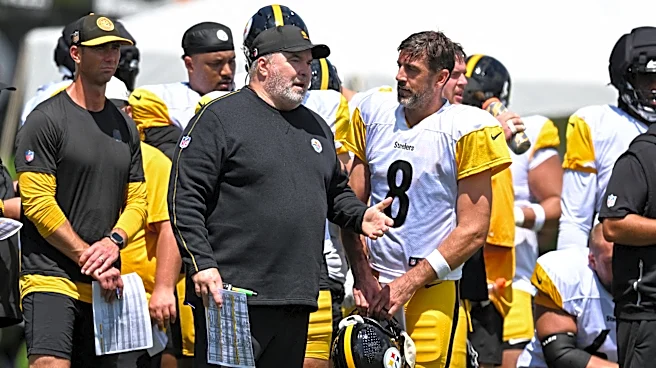
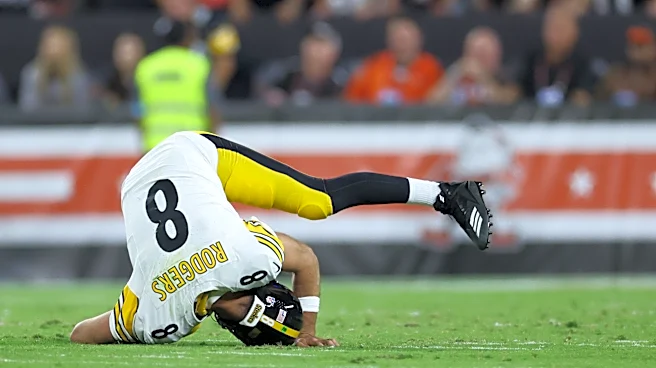
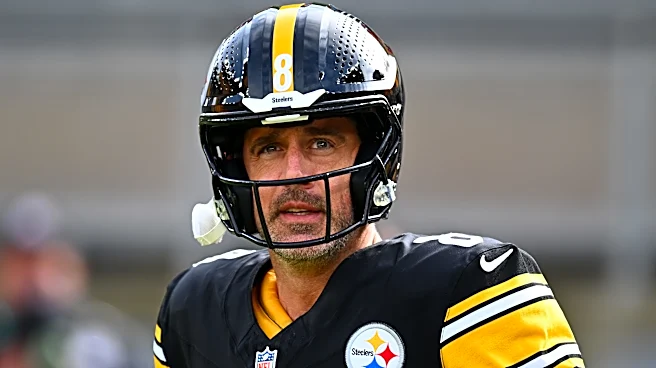
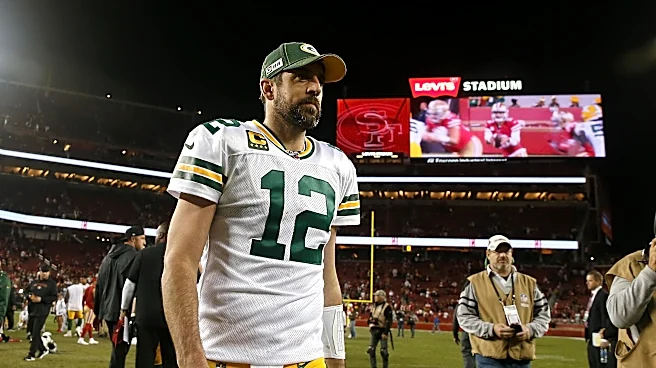
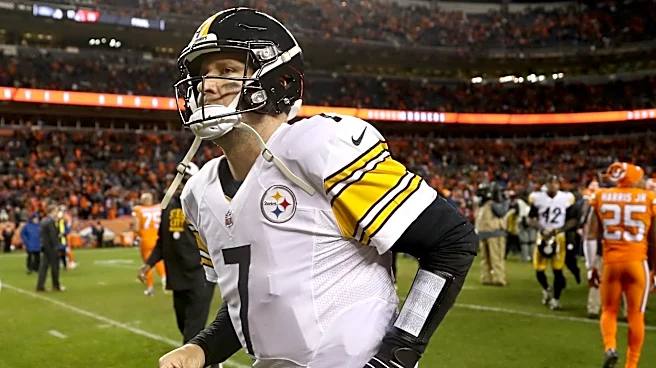
An anonymous NFL executive has characterized quarterback Aaron Rodgers as an 'insecure, unhappy human' following his recent public comments regarding the Pittsburgh Steelers and head coach Mike McCarthy. This assessment was shared by Colin Cowherd, who
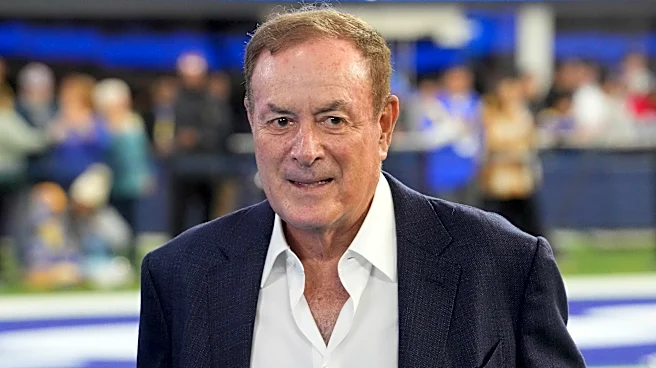
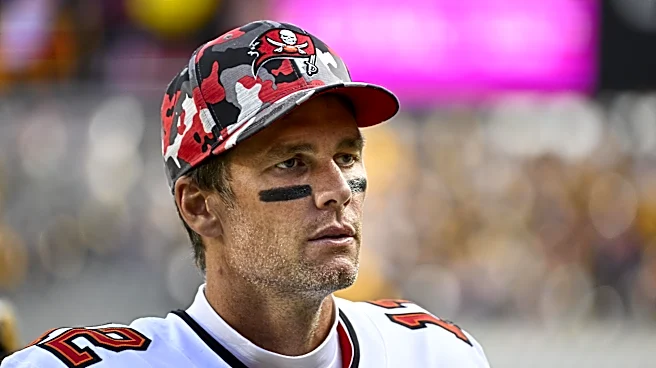
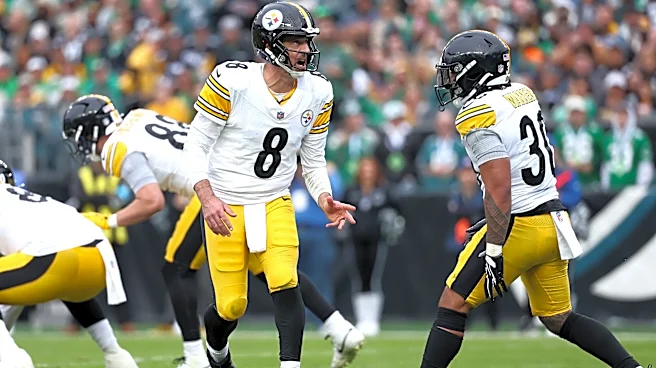
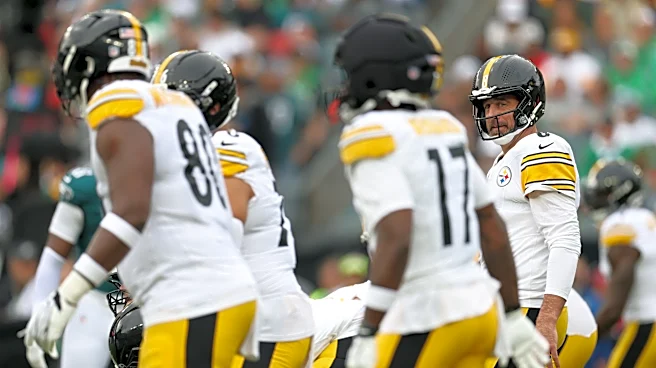
stated the executive had previously interacted with Rodgers. The executive's remarks come amidst a week of controversy surrounding Rodgers, including a 'fiery outburst' on 'The Pat McAfee Show' and a message to Al Michaels that drew criticism. Rodgers' actions have led to public condemnation from various media figures and former players, including Tom Brady, who accused Rodgers of violating the sanctity of the NFL locker room. Rodgers, now a free agent, has been criticized for airing out the Steelers' internal issues, while McCarthy's players have reportedly rallied in support of their coach. The Steelers, despite the drama, performed well in their recent game, moving to a 7-4 record.
Why It's Important?
This situation highlights the significant impact of player-coach relationships and public commentary within the highly scrutinized environment of the NFL. Rodgers' public criticisms, particularly those directed at his former team and coach, can create a ripple effect, potentially affecting team morale, public perception of players and organizations, and future player-team negotiations. The executive's 'insecure' label, while anonymous, offers a glimpse into how some within the league might perceive such public displays. For the Steelers, the controversy could have been a major distraction, but their subsequent performance suggests a degree of resilience. Conversely, Rodgers' reputation and market value as a free agent could be influenced by these events, as teams might weigh the potential for similar public issues against his on-field talent. The involvement of prominent figures like Tom Brady in criticizing Rodgers further underscores the gravity of breaking traditional locker room confidentiality.
What's Next?
The immediate future for Aaron Rodgers involves navigating his free agency, with potential implications for his next team and contract. The public perception shaped by these events could influence how teams approach him. For the Pittsburgh Steelers, the focus will likely remain on their performance and maintaining team unity, especially as they aim for a postseason berth. The ongoing media scrutiny of Rodgers' actions and the reactions from other NFL figures are expected to continue. It remains to be seen if Rodgers will offer any further public statements or if the league will address the situation in any official capacity. The incident could also prompt broader discussions within the NFL about player conduct, media engagement, and the boundaries of public criticism within professional sports.
Beyond the Headlines
The saga extends beyond typical sports drama, touching upon themes of professional conduct, personal accountability, and the evolving nature of athlete-media relationships. The executive's comment about Rodgers being 'insecure' suggests a deeper psychological dimension to the public outbursts, hinting at underlying personal struggles that can manifest in professional settings. The criticism from Tom Brady about breaking locker room sanctity points to an unwritten code of conduct among athletes, where internal team matters are traditionally kept private. This incident could contribute to a shift in how athletes communicate grievances, potentially leading to more public airing of internal conflicts. It also raises questions about the role of media platforms, like 'The Pat McAfee Show,' in amplifying such disputes and the responsibility of athletes in managing their public image in the age of instant communication.