



What's Happening?
Dominion Energy is actively seeking a Nuclear Licensing Engineer, Senior Engineer, or Staff Engineer to support its Advanced Reactors Team. This role is crucial for navigating the evolving licensing and regulatory environment as the company explores next-generation
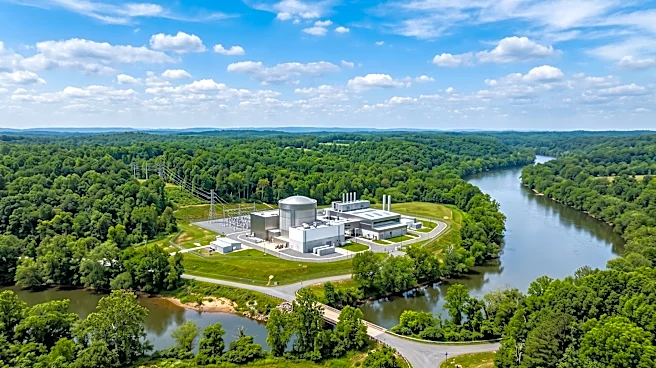
nuclear technology, including advanced and small modular reactor (SMR) designs. The ultimate goal is to add the first advanced reactor unit to Dominion Energy’s North Anna Site. The selected engineer will be responsible for supporting various licensing activities, such as certifications, permits, approvals, and licenses related to new reactor technologies, ensuring that project milestones are met. Key responsibilities include assisting in the planning and execution of licensing strategies, developing technical requirements to ensure compliance with Nuclear Regulatory Commission (NRC) regulations, supporting regulatory audits, and preparing regulatory white papers and technical reports. This initiative builds upon Dominion Energy's existing commitment to its four traditional nuclear power stations.
Why It's Important?
This hiring initiative by Dominion Energy signifies a tangible step forward in the U.S. nuclear energy sector's embrace of advanced reactor technologies. The development and deployment of SMRs and other advanced designs are critical for meeting the nation's rising power demand, enhancing energy reliability, and achieving air pollution reduction goals. By investing in specialized licensing expertise, Dominion Energy is addressing a key hurdle in nuclear project development: navigating complex regulatory processes. Successful licensing is essential for bringing these new technologies online, which can provide stable, carbon-free baseload power. This move also indicates a broader industry trend towards diversifying energy portfolios with innovative nuclear solutions, potentially creating new jobs, fostering technological advancements, and strengthening the domestic energy supply chain. The North Anna Site's potential expansion with advanced reactors could serve as a model for future deployments across the country.
What's Next?
The successful candidate will play a pivotal role in advancing Dominion Energy's new nuclear projects through the regulatory pipeline. This will involve continuous engagement with the NRC and other regulatory bodies, as well as collaboration with technology vendors and industry counterparts. The immediate next steps will focus on developing and executing comprehensive licensing strategies for the chosen advanced reactor design at the North Anna Site. This will include preparing detailed applications, responding to requests for additional information (RAIs), and ensuring all technical and safety requirements are met. The progress of this project will be closely watched as it could influence other utilities considering similar advanced reactor deployments. The experience gained in this licensing process will be invaluable for streamlining future advanced nuclear projects in the U.S., potentially accelerating the broader adoption of these technologies.
Beyond the Headlines
The pursuit of advanced reactors by major utilities like Dominion Energy reflects a strategic shift in the U.S. energy landscape, moving beyond traditional large-scale nuclear plants towards more flexible and potentially faster-to-deploy SMRs. This evolution has significant implications for energy policy, grid modernization, and national security. The successful licensing and operation of advanced reactors could demonstrate their commercial viability and safety, paving the way for wider acceptance and investment. Furthermore, it underscores the importance of a skilled workforce capable of navigating the unique challenges of advanced nuclear technology. The development of these reactors could also foster a resurgence in domestic nuclear manufacturing and supply chains, reducing reliance on foreign sources. This initiative is not just about adding a new power source but about re-establishing U.S. leadership in nuclear innovation and contributing to a more resilient and sustainable energy future.