





What's Happening?
New Balance Athletics Inc. has initiated a lawsuit against two U.S. subsidiaries of the French sporting goods company Decathlon SA. The complaint, filed in the U.S. District Court for the District of Massachusetts, alleges that Decathlon's KIPRUN brand
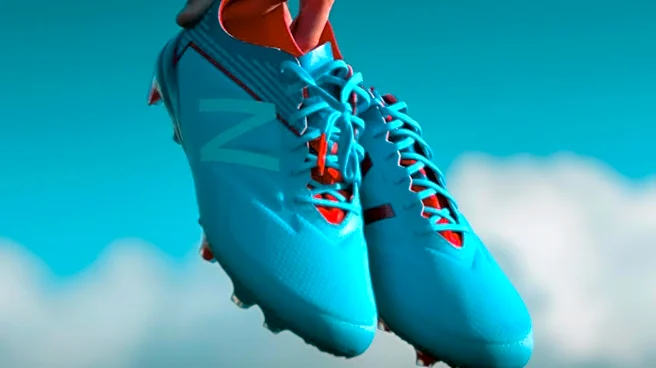
shoes feature a logo design that infringes upon New Balance's well-known 'N' trademark. According to New Balance, Decathlon's KIPRUN shoes display two designs: one resembling the letter 'K' and a mirrored image that is "unmistakably an N." New Balance claims that despite repeated communications from January, Decathlon has refused to cease using the allegedly infringing mark. Decathlon, however, maintains that the logo is a 'K' and not an 'N,' even with its frequent use of a mirror image. New Balance, represented by Orrick, Herrington & Sutcliffe, has used the 'N' letter on its footwear for approximately 50 years and has invested hundreds of millions of dollars in promoting its 'N' trademarks, selling hundreds of millions of pairs of shoes globally bearing the letter 'N'. The lawsuit seeks an injunction to prevent Decathlon from further use of the design, the destruction of products bearing the mark, and monetary damages to be determined at trial.
Why It's Important?
This lawsuit highlights the critical importance of trademark protection in the highly competitive global athletic footwear market. For New Balance, a successful outcome would reinforce the distinctiveness and value of its 'N' trademark, which it has cultivated over five decades with significant financial investment. A ruling in its favor would deter other companies from adopting similar designs that could dilute its brand identity or confuse consumers. Conversely, if Decathlon prevails, it could set a precedent that might encourage other brands to use designs that closely resemble established trademarks, potentially leading to a more crowded and less distinct market landscape. The case also underscores the challenges companies face in protecting their intellectual property across international markets, as Decathlon is a French company with U.S. subsidiaries. The outcome could influence how global brands approach design and branding strategies, particularly concerning iconic logos and their variations. The legal battle will likely be closely watched by other companies in the apparel and footwear industries, as it could shape future interpretations of trademark infringement, especially regarding stylized letters and mirrored designs.
What's Next?
The U.S. District Court for the District of Massachusetts will proceed with the case, New Balance Athletics, Inc. v. Decathlon Am. LLC. Decathlon is expected to formally respond to the complaint, outlining its defense against the trademark infringement allegations. The legal process will likely involve discovery, where both parties exchange information and evidence, followed by potential motions for summary judgment. If the case is not settled, it will proceed to trial, where a judge or jury will determine whether Decathlon's logo infringes upon New Balance's 'N' trademark. The court will assess factors such as the similarity of the marks, the likelihood of consumer confusion, and the strength of New Balance's trademark. The outcome could result in an injunction against Decathlon, requiring it to cease using the disputed design, and potentially significant monetary damages awarded to New Balance. Conversely, if Decathlon successfully argues its case, New Balance's claims could be dismissed. The decision will have implications for both companies' branding strategies and market positioning.
Beyond the Headlines
Beyond the immediate legal dispute, this case touches upon broader themes of brand identity, consumer perception, and the evolving nature of intellectual property in a globalized marketplace. The 'N' logo is not merely a letter for New Balance; it is a core element of its brand recognition and heritage, representing decades of marketing and product development. The lawsuit implicitly questions the boundaries of design inspiration versus outright imitation, particularly when a design can be interpreted in multiple ways (e.g., 'K' versus mirrored 'N'). This case could prompt a re-evaluation of how companies design and protect their logos, especially those that incorporate common letters or geometric shapes. It also highlights the increasing vigilance of established brands in safeguarding their intellectual property against perceived threats from competitors, reflecting a broader trend of companies aggressively defending their market share and brand equity through legal means. The outcome could influence future design practices and legal strategies for trademark protection in the fashion and sports industries worldwide.