









What's Happening?
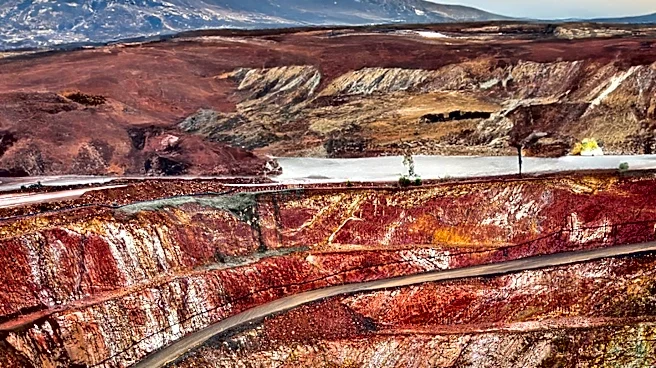
BHP has submitted a plan to reopen the Cerro Colorado copper mine in Chile, aiming to extend its operations for an additional 20 years. The project, known as the 'Operational Extension of the Cerro Colorado Mining Operation through the Improvement and
Expansion of Mining Facilities and Implementation of a New Water Supply System' (CCLE), has been submitted to the Environmental Impact Assessment System (SEIA) of the Servicio de Evaluación Ambiental (SEA). The initiative involves a significant investment of approximately $1.5 billion. The project is expected to create around 1,500 jobs during the construction phase and over 3,000 jobs during the operational phase. A key feature of the project is the use of treated wastewater transported via a pipeline over 100 km from Alto Hospicio to the mine site, marking a first for mining projects in the Tarapacá Region. The project has undergone a 15-month early dialogue process with stakeholders, facilitated by the Voluntary Early Participation Agreement (AVPT), to ensure community involvement and address environmental and water management challenges.
Why It's Important?
The reopening of the Cerro Colorado mine is significant for both the local economy and the global copper market. The project promises to boost employment in the Tarapacá Region, providing thousands of jobs and contributing to the region's economic development. For BHP, this project represents a strategic move to secure its position in the copper industry, which is crucial given the increasing global demand for copper driven by the transition to renewable energy and electric vehicles. The innovative use of treated wastewater for mining operations also sets a precedent for sustainable practices in the industry, addressing water scarcity issues in the region. This approach could influence future mining projects, promoting environmental responsibility and community engagement.
What's Next?
The Cerro Colorado project is currently under review by the Environmental Impact Assessment System. If approved, BHP will proceed with the construction phase, which is expected to generate significant employment opportunities. The project's success will depend on continued collaboration with local communities and adherence to environmental regulations. Stakeholders, including local government and environmental groups, will likely monitor the project's progress closely. The outcome of this project could impact BHP's future operations and strategies in the region, as well as set a benchmark for sustainable mining practices globally.