







What's Happening?
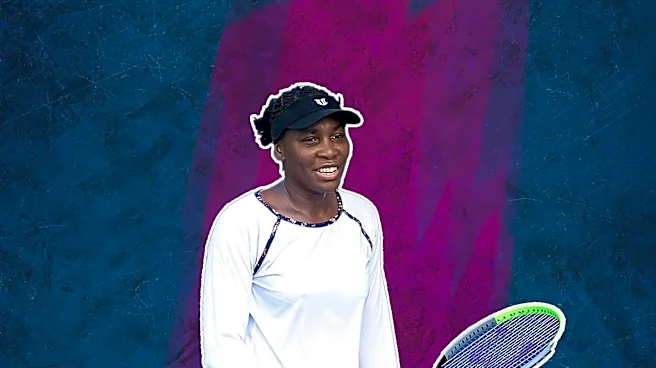
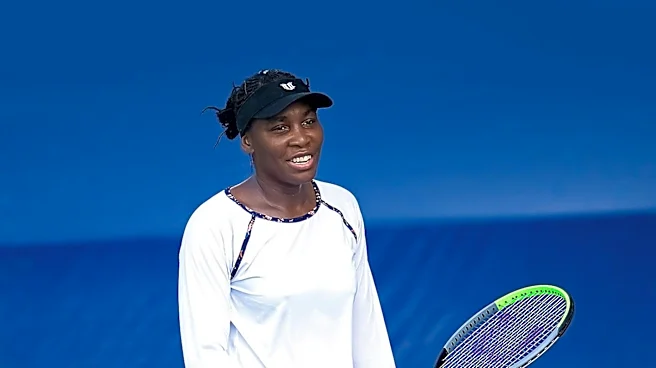
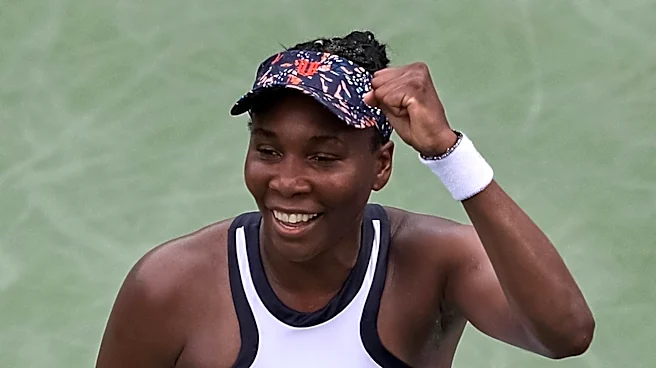
Venus Williams, the renowned professional tennis player, has been honored with a Barbie doll as part of Barbie's Inspiring Women Series. The doll is dressed in the outfit Williams wore during her 2007 Wimbledon victory. This specific outfit was chosen
to commemorate a significant moment in sports history: 2007 was the first year that women's and men's singles champions at Wimbledon received equal prize money. Williams was a prominent advocate for this change, emphasizing that her efforts were not just for herself but for all women in sports. This recognition by Barbie aims to inspire young girls to speak up, believe in themselves, and understand their power to drive change. The initiative highlights Williams's impact beyond her athletic achievements, focusing on her role as a champion for equality.
Why It's Important?
This initiative is important as it underscores the ongoing societal value placed on gender equality, particularly within professional sports. By commemorating Venus Williams's advocacy for equal prize money at Wimbledon, Barbie is not only celebrating a sports icon but also reinforcing a message of empowerment for young girls. This can influence future generations to pursue their goals without being deterred by gender-based disparities. For the sports industry, it serves as a reminder of the progress made in addressing pay gaps and the continued importance of such efforts. The recognition also highlights how cultural products like Barbie dolls can be used as tools to educate and inspire, linking historical achievements in social justice to contemporary role models. This move by Mattel reflects a broader trend of companies aligning with social causes to resonate with consumers and promote positive values.
What's Next?
The release of Venus Williams's Barbie doll is expected to further amplify discussions around gender equality in sports and beyond. It may encourage other brands to recognize and celebrate figures who have championed social causes, potentially leading to more diverse and inspiring role models in popular culture. For young audiences, the doll could serve as a tangible representation of advocacy and achievement, fostering an early understanding of social justice issues. This could also prompt educational initiatives or campaigns that delve deeper into the history of equal pay in sports and the ongoing challenges women face. The continued focus on such figures by major brands like Barbie suggests a sustained commitment to promoting empowering narratives, which could influence future product lines and marketing strategies.
Beyond the Headlines
Beyond the immediate celebration, this Barbie doll for Venus Williams carries deeper implications regarding the intersection of sports, culture, and social change. It symbolizes a shift in how athletic achievements are valued, moving beyond mere performance to include the athlete's impact on societal norms and justice. The doll serves as a cultural artifact that can transmit the story of the fight for equal pay to a new generation, embedding these values within play and imagination. This initiative also highlights the evolving role of brands in social commentary, where products are not just commodities but also carriers of messages and values. It subtly challenges traditional gender roles by presenting a female athlete as a powerful advocate, encouraging young girls to see themselves as agents of change rather than just participants. This can contribute to a broader cultural dialogue about fairness and representation in all sectors.