








What's Happening?
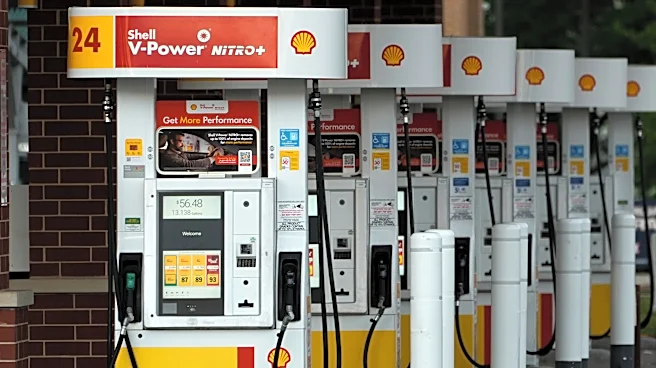
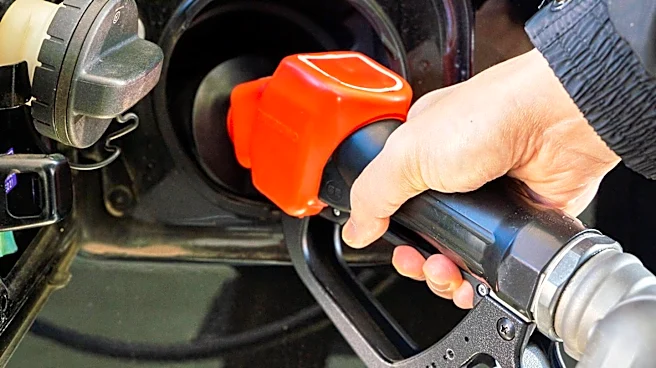
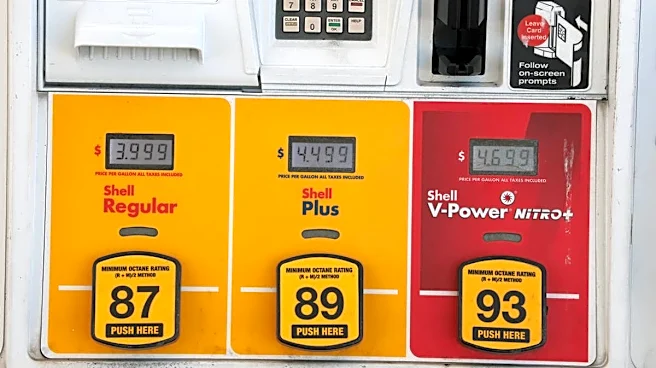
Gas prices in metro Atlanta have increased significantly, with drivers paying nearly 20 cents more per gallon compared to the previous week. This rise is attributed to escalating tensions involving Iran, which have led to higher oil prices. According
to AAA, the geopolitical situation is directly impacting fuel costs. An economist from Emory University explains that these higher prices could influence consumer behavior, potentially altering spending and saving habits as individuals adjust to the new normal in gas pricing.
Why It's Important?
The increase in gas prices affects not only individual consumers but also the broader economy. Higher fuel costs can lead to increased transportation expenses, impacting goods and services prices. This situation may strain household budgets, particularly for those with fixed incomes or long commutes. Businesses reliant on transportation may face higher operational costs, potentially leading to price hikes for consumers. The economic ripple effects could influence inflation rates and economic growth, prompting policymakers to consider interventions to stabilize the market.
What's Next?
Consumers may begin to seek alternative transportation methods or reduce non-essential travel to cope with rising fuel costs. The situation could also accelerate the adoption of fuel-efficient vehicles or public transportation. Economists and policymakers will likely monitor the situation closely, considering measures to mitigate the impact on consumers and the economy. If tensions persist, further increases in oil prices could occur, prompting discussions on energy independence and the diversification of energy sources.