







What's Happening?
Nanoleaf, a Canadian technology brand known for its smart home ambient lighting products, is venturing into the personal skincare market with new light therapy devices. The company, traditionally recognized for its vibrant, geometric modular light panels,
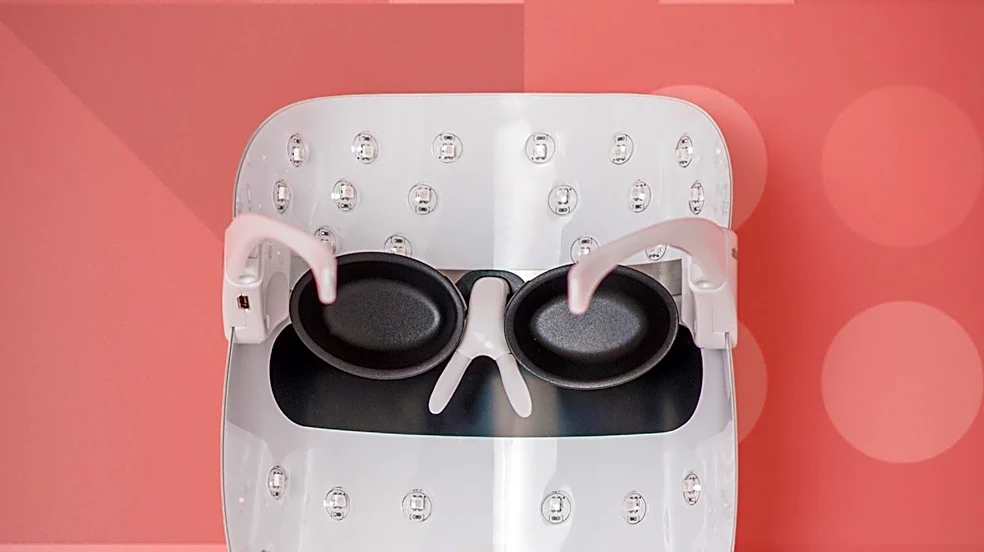
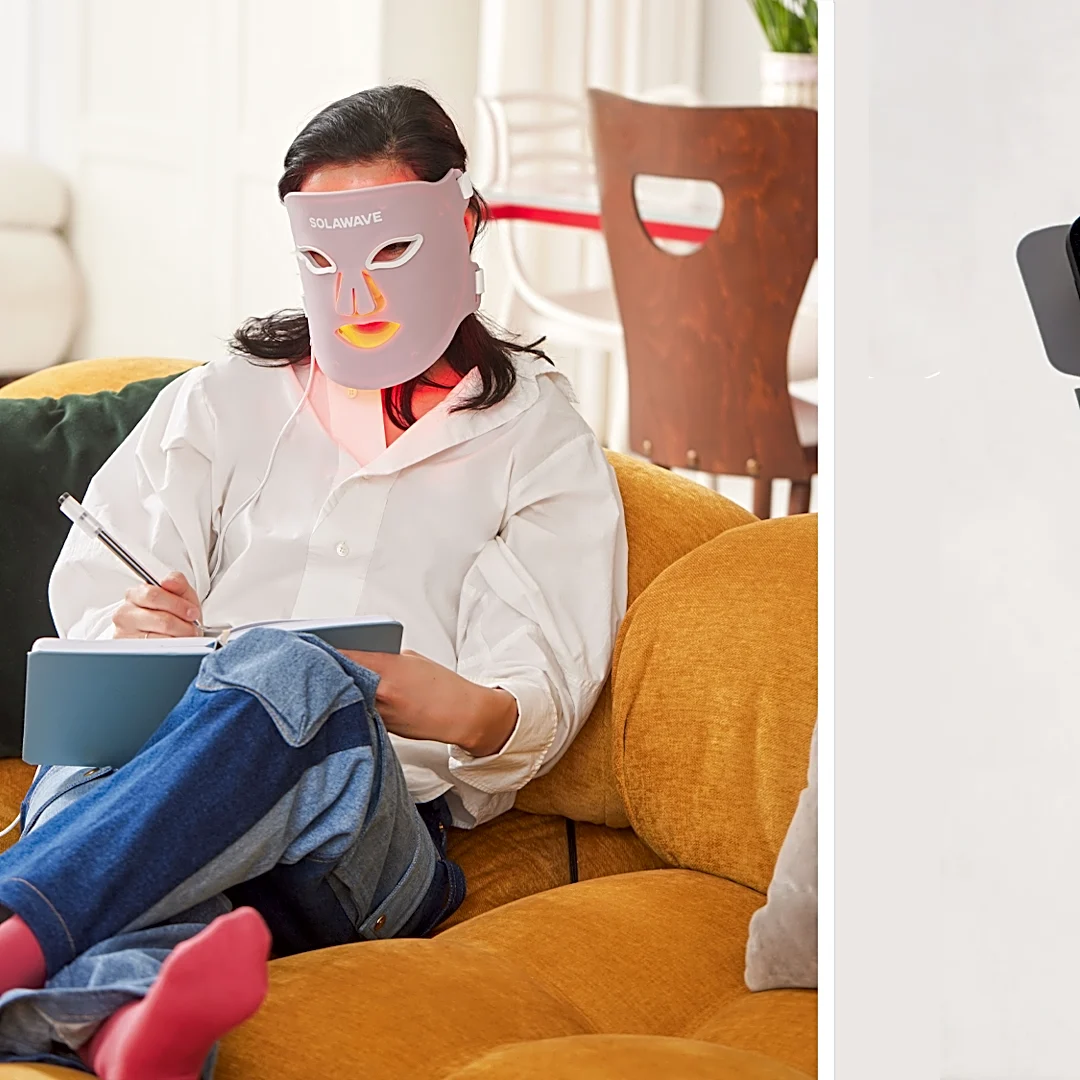
has developed hardware designed for skin rejuvenation. This strategic shift involves applying their expertise in LED wavelengths and diode placement to create devices that target biological tissue rather than just illuminating living spaces. One of their new products is a Neck & Décolletage Mask, which utilizes Advanced Triple Near-Infrared (NIR) technology, including dedicated 1072nm Deep NIR diodes. These diodes penetrate deeper into dermal layers compared to standard consumer light masks, aiming to stimulate cellular activity, reduce sun-stressed redness, and address horizontal creases. Another product, the Lymphatic Body Sculpting Massager, combines microcurrent impulses, targeted vibration, therapeutic heat, and red and Near-Infrared light diodes to address systemic puffiness and improve circulation. This move signifies a growing trend where consumer electronics and at-home self-care are merging into a unified ecosystem.
Why It's Important?
This expansion by Nanoleaf into the skincare industry highlights a significant convergence of smart home technology and personal wellness, indicating a broader market trend. For U.S. consumers, this means increased access to advanced, at-home skincare solutions that were previously limited to clinical settings. The integration of sophisticated light therapy, particularly with deeper NIR diodes, could offer a more accessible and convenient alternative to professional treatments, potentially democratizing anti-aging and skin health practices. This development could also impact the beauty and wellness industries by introducing new competition from tech companies, pushing traditional skincare brands to innovate further. Furthermore, it underscores a shift in consumer habits towards hardware that actively works on the body during passive activities, suggesting a future where personal care is seamlessly integrated into daily routines. The success of such products could lead to more tech companies exploring similar ventures, blurring the lines between different consumer product categories and creating new market segments.
What's Next?
Following Nanoleaf's entry into the skincare market, it is anticipated that other smart lighting and consumer electronics brands may follow suit, leading to a more competitive and innovative landscape in at-home wellness devices. Consumers can expect to see a wider range of products that combine technology with personal care, potentially offering more specialized and integrated solutions for various health and beauty concerns. The focus on deeper NIR diodes and multi-modality devices suggests a trend towards more scientifically advanced and comprehensive at-home treatments. Regulatory bodies may also begin to scrutinize these new categories of devices more closely, especially regarding efficacy claims and safety standards, as they bridge the gap between consumer electronics and medical-grade treatments. The market will likely see increased research and development in light therapy and other non-invasive technologies, driven by consumer demand for convenient and effective self-care options. This could also lead to partnerships between tech companies and dermatological experts to validate and refine these emerging products.
Beyond the Headlines
The deeper implications of Nanoleaf's move extend beyond mere product diversification; it represents a philosophical shift in how technology interacts with the human body and personal space. This trend blurs the traditional boundaries between home ambiance, personal health, and beauty routines, suggesting a future where our environments are not just smart but also actively contribute to our physical well-being. Ethically, this raises questions about the accessibility and affordability of advanced self-care technologies, potentially creating new disparities if these innovations remain premium-priced. Culturally, it reflects a growing societal emphasis on self-optimization and the integration of wellness practices into everyday life, driven by convenience and technological advancement. The long-term impact could include a redefinition of 'self-care,' moving from passive consumption to active, tech-enabled intervention. This convergence also highlights the increasing sophistication of LED technology, demonstrating its versatility beyond illumination to therapeutic applications, potentially paving the way for further bio-integrative technologies in the home.