





What's Happening?
For post-menopausal women aiming to build muscle, dietary intake of protein and fiber is crucial. According to Pat Greaves, CPT, a menopausal fitness specialist and creator of the WH+ Strong After 50 workout plan, focusing on beneficial foods that support
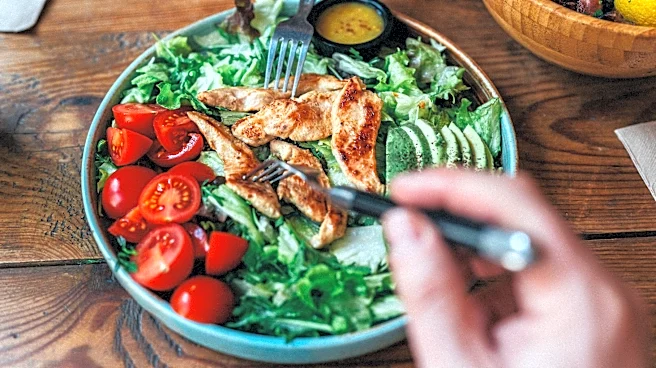
midlife health, particularly protein and fiber, is key. The Academy of Nutrition and Dietetics recommends an average of 0.35 grams of protein per pound of body weight daily, but for muscle building, this should increase to approximately 1 gram per pound. Protein's amino acids are essential for forming new muscle tissue and contribute to satiety. Greaves suggests consuming 25 to 30 grams of lean protein at each meal, supplemented with protein-rich snacks. Good protein sources include chicken, ground turkey, tofu, lentils, beans, fish, Greek yogurt, jerky, and cottage cheese. Fiber, while not directly involved in muscle growth, has been linked to higher skeletal muscle levels in high-fiber diets, as noted in a 2021 meta-analysis in the Journal of Cachexia, Sarcopenia and Muscle. It also aids in satiety and gastrointestinal health, helping with nutrient absorption. Women should aim for at least 21 grams of fiber daily from sources like beans, legumes, fruits (raspberries, blackberries, pears), vegetables (broccoli, peas), whole grains (bran, oatmeal), and seeds.
Why It's Important?
This dietary focus is particularly important for post-menopausal women due to age-related muscle loss (sarcopenia) and changes in metabolism. Maintaining and building muscle mass is vital for overall health, mobility, and bone density, which can decline after menopause. Adequate protein intake directly supports muscle protein synthesis, counteracting muscle degradation. The emphasis on fiber not only contributes to muscle health but also supports digestive health and can help manage weight, which is often a concern in midlife. By prioritizing these nutrients, women can enhance the effectiveness of their strength training routines, improve body composition, and mitigate some of the physiological challenges associated with aging. This approach empowers women to take proactive steps in maintaining their physical well-being and quality of life as they age, reducing the risk of falls and improving functional independence.
What's Next?
Women over 50 looking to build muscle should consider integrating these dietary recommendations into their daily routines. This involves planning meals around protein sources and consciously incorporating high-fiber foods. Consulting with a fitness coach or nutritionist, such as Sohee Carpenter, CSCS, can help tailor these guidelines to individual needs and ensure a balanced approach that also considers calorie intake. While calorie restriction might be a goal for body recomposition, maintaining a slight calorie surplus (250 to 500 calories more than burned daily) is recommended for muscle gain, as calories provide the energy for workouts and recovery. Continued research into the specific nutritional needs of post-menopausal women for muscle building will likely refine these recommendations further, offering more targeted strategies for this demographic.
Beyond the Headlines
The focus on protein and fiber for post-menopausal muscle building highlights a broader shift in understanding women's health and fitness needs as they age. It moves beyond generic dietary advice to address the specific physiological changes that occur during and after menopause. This approach underscores the interconnectedness of diet, exercise, and hormonal changes in maintaining health. It also challenges the misconception that significant muscle gain is not possible later in life, promoting a more empowering view of aging. By emphasizing nutrition alongside physical activity, this guidance contributes to a holistic wellness model that can lead to improved long-term health outcomes, greater independence, and a higher quality of life for older women, potentially reducing healthcare burdens associated with age-related decline.