




What's Happening?
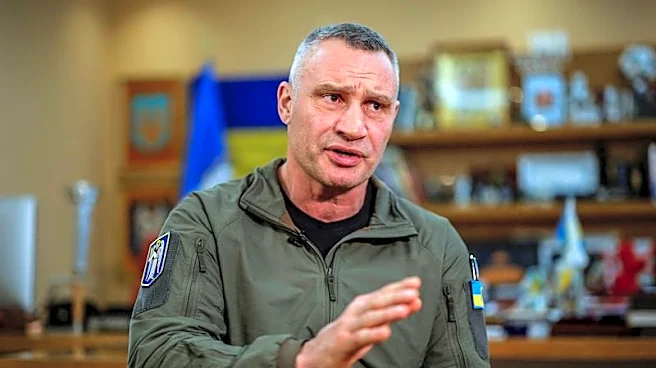
Ahmed El-Hoshy, CEO of Fertiglobe, an ADNOC-backed fertilizer producer, has identified increasing construction costs, extended equipment procurement times, and supply-chain disruptions as significant hurdles for green and low-carbon ammonia investments.
These factors are preventing final investment decisions (FIDs) for such projects. Speaking at ADIPEC 2026 in Abu Dhabi, El-Hoshy noted that the rising demand from artificial intelligence (AI) infrastructure and electrification has turned previously readily available equipment, like high- and medium-voltage switchgear and transformers, into critical-path items. Equipment that once took six weeks to procure now requires 40 to 70 weeks. Additionally, disruptions in the Strait of Hormuz have introduced further uncertainty, affecting equipment deliveries and access to services, even impacting projects outside the immediate Gulf region, such as a Fertiglobe project in Egypt that experienced an eight-week delay. Despite these challenges, Fertiglobe is proceeding with its 1 million tonnes per year low-carbon ammonia project, 'Project Harvest,' in Ruwais, Abu Dhabi, which is expected to begin production in 2027.
Why It's Important?
The challenges outlined by Fertiglobe's CEO underscore broader issues affecting the global transition to green energy, particularly in the U.S. and its efforts to decarbonize industrial processes. Rising costs and supply chain delays for critical equipment can significantly slow down the development of green hydrogen and ammonia projects, which are vital for reducing carbon emissions in sectors like agriculture, shipping, and heavy industry. For U.S. companies and policymakers, these insights highlight the need for robust supply chain strategies, potential domestic manufacturing incentives for key components, and international collaborations to mitigate risks. The increased lead times and costs could deter private investment in green energy initiatives, making it harder to meet climate goals. Furthermore, the impact of geopolitical tensions, such as those in the Strait of Hormuz, on global supply chains emphasizes the interconnectedness of energy markets and the vulnerability of even geographically distant projects to regional instability. This situation could lead to higher prices for green products, potentially slowing their adoption and making traditional, carbon-intensive alternatives more economically attractive in the short term.
What's Next?
Fertiglobe's 'Project Harvest' in Ruwais, Abu Dhabi, is slated to commence production in 2027, demonstrating that despite the challenges, some projects are moving forward. The company's strategy involves leveraging existing infrastructure for smaller, more practical projects to integrate green and blue hydrogen technologies. This approach, which focuses on 'piggybacking' on existing 'grey' infrastructure to introduce 'blue' and 'green' elements, could become a model for other developers facing similar constraints. El-Hoshy also emphasized the importance of partnerships between companies with complementary competitive advantages to bring the next generation of green or low-carbon ammonia projects to final investment decisions. He cautioned against national self-sufficiency efforts that might lead to economically suboptimal project locations, advocating instead for Pareto-efficient solutions involving multiple parties to reduce costs. The expectation is that carbon pricing will eventually level the playing field, making green alternatives more competitive.
Beyond the Headlines
The issues highlighted by Fertiglobe extend beyond mere economic and logistical challenges, touching upon the ethical and strategic dimensions of the global energy transition. The competition for critical equipment, driven by both green energy projects and the burgeoning AI infrastructure, reveals a complex interplay of technological advancements and environmental goals. This competition could lead to difficult choices about resource allocation and prioritization. Moreover, the emphasis on leveraging existing infrastructure for green projects raises questions about the long-term viability and true 'greenness' of such hybrid approaches, as they may perpetuate reliance on older, less sustainable systems. The call for international partnerships and a move away from national self-sufficiency in green energy production underscores the need for global cooperation to achieve climate targets efficiently. However, this also presents a geopolitical challenge, as nations balance economic optimization with energy security and strategic independence. The long-term shift towards carbon pricing, as suggested by El-Hoshy, indicates a future where the environmental cost of production is internalized, potentially reshaping global trade and industrial landscapes.