
What's Happening?
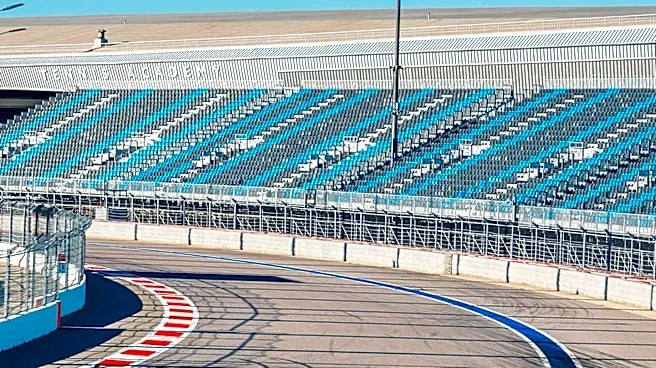
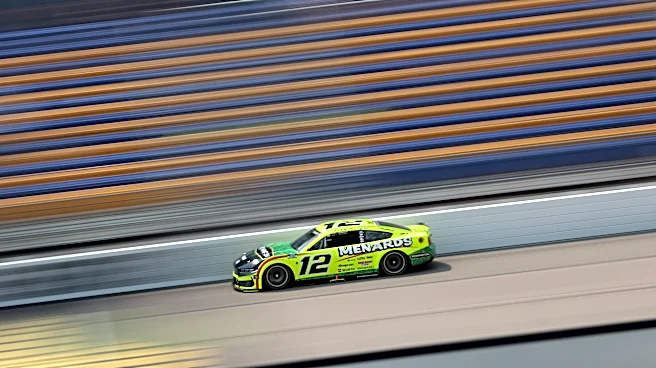
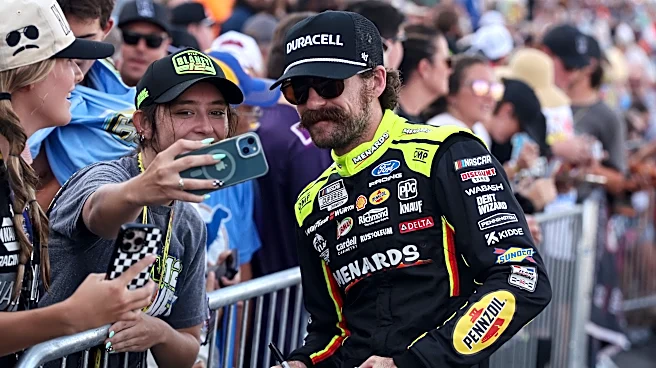
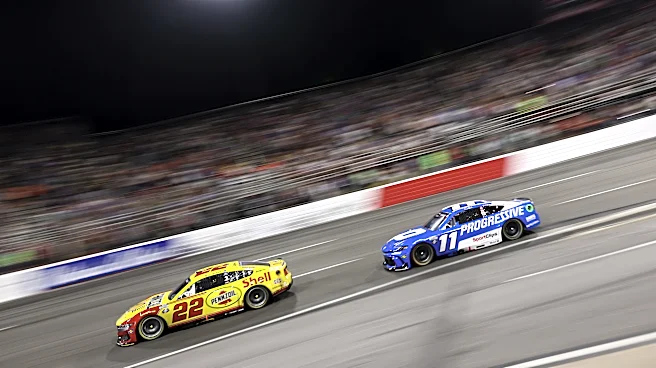
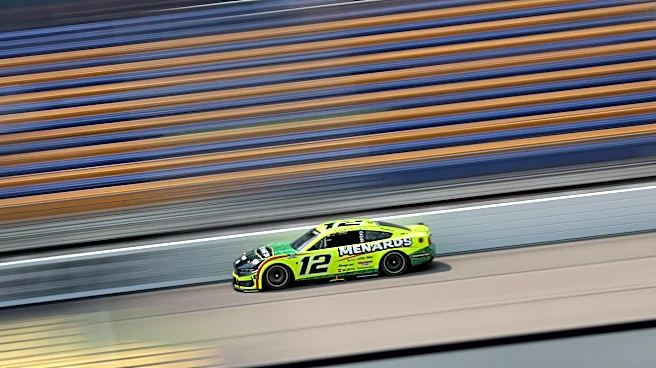
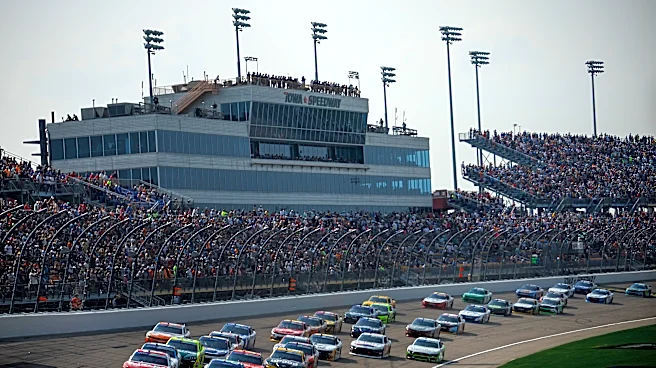
Ryan Blaney has expressed mixed feelings about the upcoming $20 million renovation project at Iowa Speedway, which includes a complete repaving of the racing surface. Blaney, who has had significant success at the track, winning the inaugural NASCAR Cup
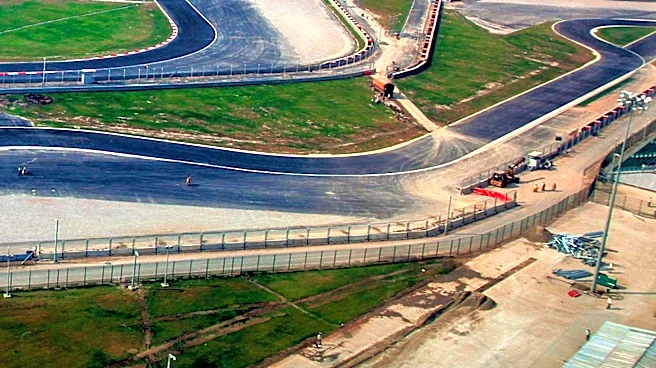
Series race in 2024 and finishing fourth last year, is concerned about the changes. The current hybrid surface, partially repaved in the corners, will be replaced entirely. Blaney hopes the new surface will maintain the track's character and allow for progressive banking, enhancing the racing experience. Other drivers, like Ryan Preece and Christopher Bell, support the repaving, citing the need for improvements due to visible wear and separation in the lanes. The renovation aims to widen the track and potentially create more racing grooves, which could enhance competition.
Why It's Important?
The renovation of Iowa Speedway is significant for the NASCAR community and the local economy. A well-executed repaving could enhance the track's appeal, potentially attracting more fans and events, boosting local businesses. For drivers like Ryan Blaney, who have excelled on the current surface, the changes could alter their competitive edge. The project reflects a broader trend in motorsports to modernize facilities, ensuring safety and improving the spectator experience. The investment underscores the importance of maintaining high standards in racing venues to support the sport's growth and sustainability.
What's Next?
Following the renovation, the track will likely undergo testing to ensure the new surface meets safety and performance standards. Drivers and teams will need to adapt to the changes, which could influence race strategies and outcomes. The success of the renovation could set a precedent for other tracks considering similar upgrades. Stakeholders, including NASCAR officials and local businesses, will be keenly observing the impact of these changes on attendance and race quality. The project's completion will be a critical milestone, with potential implications for future events and the track's reputation.