




What's Happening?
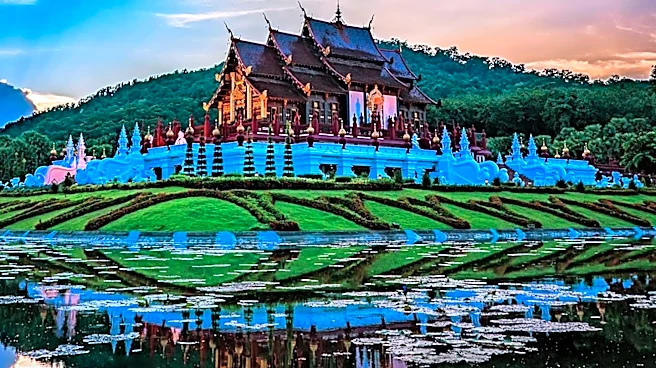
Chiang Mai, often referred to as Thailand's northern capital, is a city rich in culture, surrounded by mountains and dotted with numerous temples. Visitors typically spend three to five days exploring its diverse offerings. The city is divided into distinct
areas, including the walled Old City, known for its temples, markets, and food, and the Nimman neighborhood, which offers a more modern vibe with cafes, coworking spaces, and contemporary attractions. Beyond the city limits, Chiang Mai serves as a gateway to mountain excursions and natural wonders. Activities range from climbing the unique Bua Tong Sticky Waterfall, where calcium-rich rocks provide natural grip, to engaging in traditional Muay Thai training sessions. Cultural immersion opportunities include meditation retreats at temples like Wat Suan Dok and cycling tours around the historic Old City. The region also boasts ethical elephant sanctuaries, such as Elephant Nature Park, which focuses on rescuing and rehabilitating elephants, offering visitors a chance to observe them in a natural setting without riding or performances. Additionally, Chiang Mai is a base for exploring other Northern Thailand attractions, including Doi Inthanon National Park, home to Thailand's highest peak and scenic nature trails.
Why It's Important?
Chiang Mai's appeal as a cultural and natural tourism destination is significant for Thailand's economy, attracting a diverse range of international visitors. The city's blend of historical sites, such as ancient temples, and modern amenities, like coworking spaces, positions it as a hub for both traditional tourism and the growing digital nomad community in Southeast Asia. The emphasis on ethical tourism, particularly with elephant sanctuaries, reflects a global shift towards responsible travel and contributes to the conservation efforts of endangered species. The vibrant night markets and local cooking classes not only offer unique cultural experiences but also support local artisans, farmers, and small businesses, fostering economic growth at the community level. Furthermore, Chiang Mai's role as a base for exploring Northern Thailand encourages regional tourism, distributing economic benefits beyond the main city and promoting the diverse landscapes and cultures of the broader region. The city's infrastructure, including its walkability and accessible transportation options, enhances the visitor experience, making it an attractive and manageable destination for travelers.
What's Next?
Chiang Mai is expected to continue its growth as a premier tourist destination, with ongoing efforts to balance cultural preservation with modern development. The city's popularity among digital nomads suggests a continued focus on developing infrastructure and services catering to this demographic, such as high-speed internet and coworking facilities. The tourism sector will likely further emphasize sustainable and ethical practices, particularly in wildlife interactions, as traveler awareness and demand for responsible tourism increase. This could lead to more stringent regulations for animal-related attractions and a greater promotion of genuinely ethical sanctuaries. Seasonal considerations, such as the 'burning season' from February to April, will remain a factor for visitors, with potential initiatives to mitigate air quality issues or provide clearer guidance for travel planning during these months. The development of new tour packages and experiences that highlight the region's natural beauty, cultural heritage, and adventure activities, such as trekking in national parks and exploring caves, will likely continue to diversify Chiang Mai's tourism offerings.
Beyond the Headlines
Beyond its immediate economic impact, Chiang Mai's role as a cultural center has deeper implications for the preservation of Lanna heritage. The numerous temples, traditional markets, and local crafts contribute to maintaining and promoting the unique cultural identity of Northern Thailand. The presence of meditation retreats and 'Monk Chat' programs offers a unique opportunity for cultural exchange and spiritual learning, fostering a deeper understanding of Buddhist practices among international visitors. The city's growing expatriate and digital nomad community also contributes to a dynamic cultural fusion, introducing new perspectives and influences while integrating with local traditions. However, this growth also presents challenges, such as managing the environmental impact of tourism and ensuring that development benefits local communities equitably. The balance between accommodating increasing visitor numbers and preserving the authentic charm and natural environment of Chiang Mai will be a continuous and critical consideration for its future.