
What's Happening?
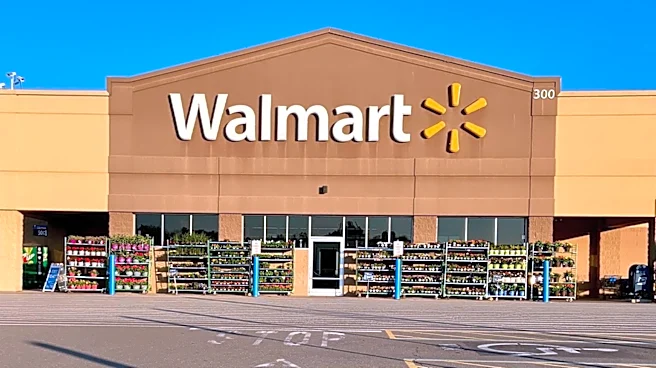
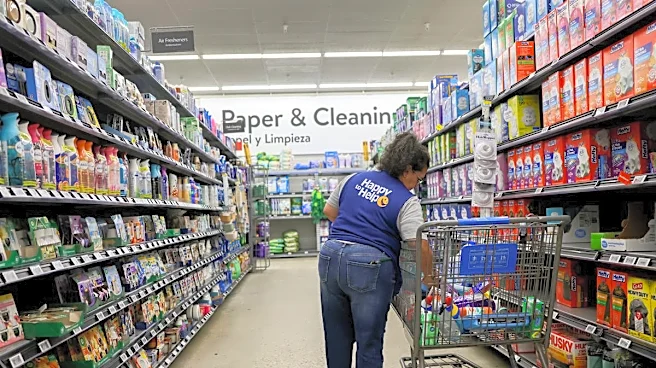
Walmart, Target, and Home Depot are intensifying their competition in the same-day delivery market, with all three retailers now offering 3-hour delivery options. A recent test involved ordering the same item
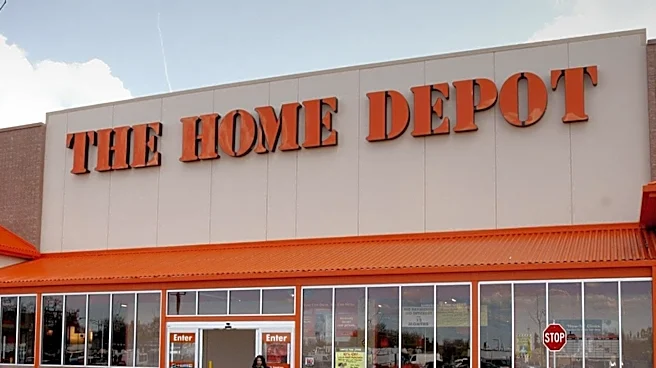
from each store simultaneously to compare their speed and service. Home Depot, the latest entrant to this expedited delivery service, surprisingly delivered its order in just 27 minutes, significantly outperforming Target (which took about 1 hour and 40 minutes) and Walmart (which arrived in 3 hours and 9 minutes). The test highlighted differences in delivery fees, order minimums, and tipping options across the three retailers, with Home Depot offering the simplest process and lowest service fee for its 3-hour option.
Why It's Important?
The escalating competition in 3-hour delivery services among major retailers like Walmart, Target, and Home Depot signifies a critical shift in consumer expectations and retail strategy. This trend is driven by the demand for instant gratification and convenience, pushing retailers to invest heavily in their logistics and fulfillment capabilities. For consumers, this means faster access to goods, potentially reducing the need for in-person shopping trips. For the retail industry, it represents a significant operational challenge and opportunity, requiring robust supply chains, efficient last-mile delivery networks, and competitive pricing models. The success or failure in this arena can significantly impact market share, customer loyalty, and overall profitability, as retailers vie to become the preferred choice for quick, convenient shopping. This also puts pressure on traditional e-commerce giants like Amazon to maintain their competitive edge in delivery speed.
What's Next?
Retailers are expected to continue refining their same-day delivery services, focusing on improving speed, reducing costs, and enhancing the customer experience. This could involve further investment in localized fulfillment centers, advanced routing algorithms, and potentially autonomous delivery solutions. We may also see adjustments to membership programs and delivery fees as companies seek to balance service quality with profitability. The ability to easily tip drivers, an area where Home Depot currently lags, might also become a standard feature across all platforms. The ongoing competition will likely lead to more innovative delivery options and potentially even faster delivery times, further transforming the retail landscape and consumer shopping habits.
Beyond the Headlines
The race for faster delivery services raises deeper questions about the future of retail, urban logistics, and labor practices. The demand for 3-hour delivery puts immense pressure on delivery drivers, often operating as gig workers, impacting their working conditions and compensation. Environmentally, the increase in individual deliveries could lead to more traffic congestion and carbon emissions, prompting calls for more sustainable delivery models. Furthermore, the convenience of instant gratification could alter consumer behavior, potentially reducing planned shopping trips and increasing impulse purchases. This shift also challenges the traditional brick-and-mortar store model, as physical locations are increasingly repurposed as fulfillment hubs rather than just shopping destinations. The long-term implications include a redefinition of urban spaces, evolving labor markets, and a continuous push for technological advancements in logistics to meet ever-growing consumer demands.