




What's Happening?
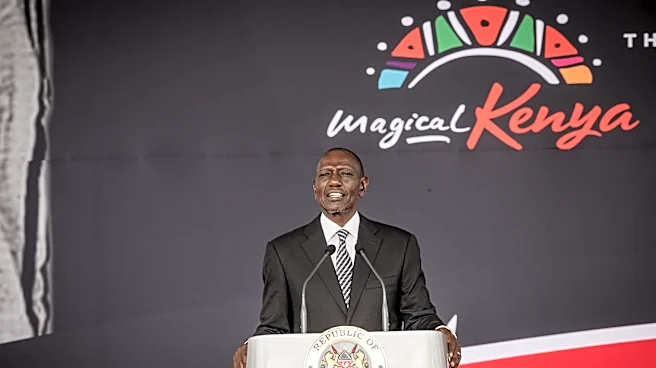
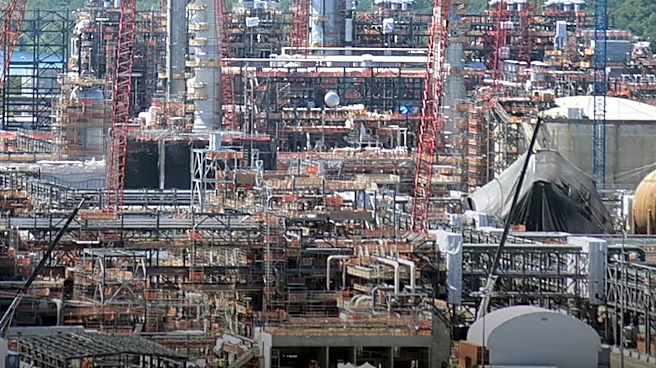
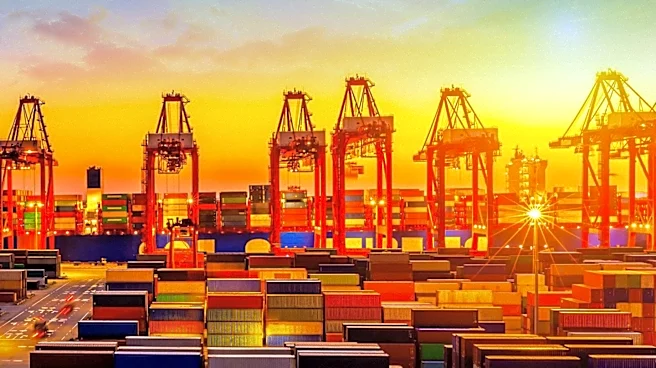
President William Ruto has reaffirmed his administration's commitment to significantly increase the manufacturing sector's contribution to Kenya's Gross Domestic Product (GDP) to 20% by 2030. This ambitious target aims to create one million jobs through
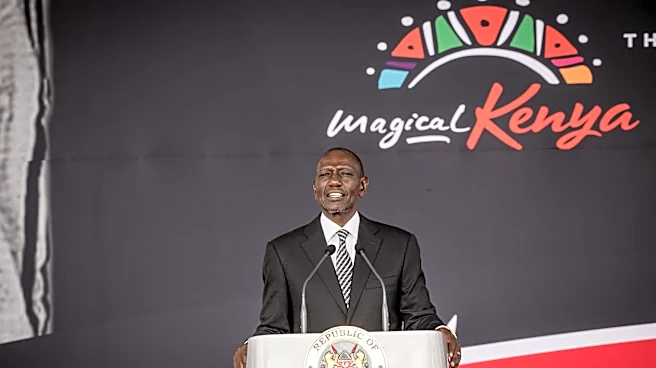
expanded local production and value addition. Speaking at the Industrialisation Summit and Changamka Shopping Festival at the Kenyatta International Convention Centre (KICC), President Ruto emphasized that Kenya's economic prosperity hinges on its ability to produce, process, and export competitive goods, rather than relying heavily on imported finished products. He urged Kenyans to prioritize locally manufactured goods, stating that increased domestic consumption would strengthen businesses, create employment, and retain wealth within the economy. The President acknowledged that manufacturing's growth of 2% in 2025, against an overall economic growth of 4.6%, indicates that the industrial transformation needs to accelerate.
Why It's Important?
This renewed commitment is crucial for Kenya's long-term economic independence and job creation. A robust manufacturing sector is vital for sustainable economic growth, reducing trade deficits, and fostering innovation. By aiming for 20% GDP contribution, the government seeks to diversify the economy beyond traditional sectors and create high-value employment opportunities. The 'Buy Kenya, Build Kenya' campaign is designed to foster national pride and economic self-sufficiency, encouraging local consumption to support domestic industries. The President's focus on value addition means that Kenya aims to move up the global value chain, processing raw materials into finished products, which typically generates more revenue and creates more skilled jobs. This strategy is essential for improving living standards and reducing poverty.
What's Next?
To achieve the 2030 target, President Ruto announced several key initiatives. The government is in the final stages of establishing an Industrialisation Fund to provide manufacturers with affordable credit at single-digit interest rates. This facility aims to enable businesses to expand production, acquire modern technology, and improve competitiveness. Additionally, the Affordable Housing Programme is identified as a major driver for domestic manufacturing, creating demand for locally sourced construction materials, with 97% of materials currently sourced locally. The government plans to provide 50,000 internship opportunities starting January 2027, challenging the private sector to offer an additional 50,000, with tax incentives for companies that recruit and pay stipends. A program to train 600,000 young people, increasing to one million, will also support their participation in government procurement opportunities.
Beyond the Headlines
The success of this industrialization drive will depend on more than just financial incentives and job creation programs. It requires significant investment in technical skills and stronger partnerships between training institutions and manufacturers to ensure a skilled workforce. Addressing infrastructure gaps, ensuring reliable and affordable electricity, and streamlining regulatory processes are also critical for enhancing manufacturing competitiveness. The President's call for Kenyan manufacturers to expand into regional and international markets signifies a strategic shift towards export-oriented growth. The reforms in sectors like sugar and coffee, aimed at increasing earnings and efficiency, demonstrate a broader government effort to create a conducive environment for industrial expansion across various economic segments.