




What's Happening?
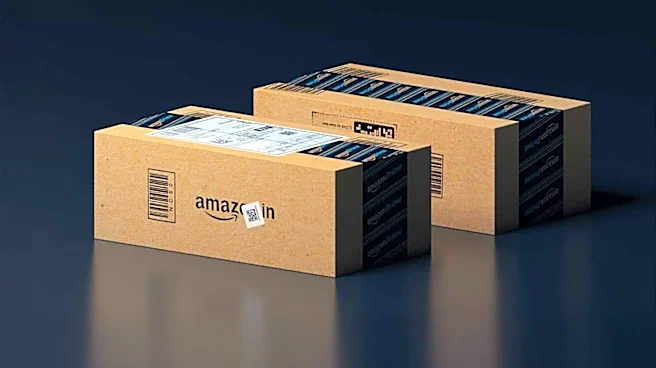
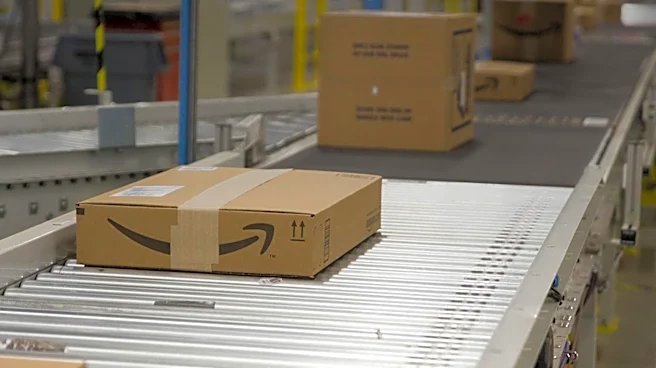
The Amazon delivery box has become a pervasive symbol of modern U.S. shopping culture, reflecting a demand for instant gratification and rapid delivery. E-commerce is projected to constitute 17.4% of U.S. retail sales this year, totaling $1.4 trillion,
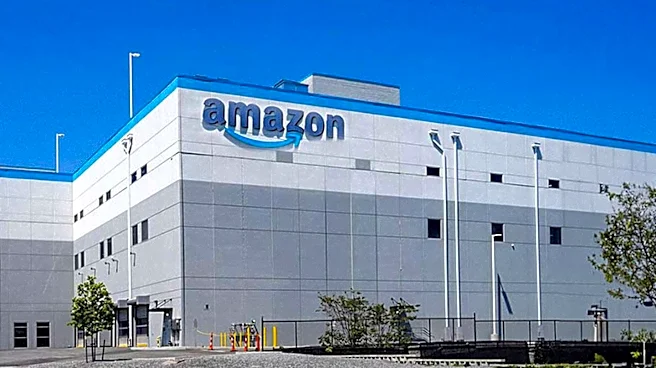
with Amazon holding a 40% share of the U.S. online market, significantly ahead of Walmart at 11.4%. Amazon, which began as an online bookseller in 1995, has expanded into a vast array of products, earning the moniker 'the everything store.' The company has continuously innovated its delivery services, from introducing two-day Prime shipping in 2005 to rolling out 30-minute delivery options this year. Concurrently, Amazon is implementing sustainable packaging initiatives, aiming to reduce single-use plastic packaging in North American shipments from 65% in 2023 to 27% in 2025, according to Pat Lindner, Vice President of Mechatronics and Sustainable Packaging. The company is also reducing its reliance on traditional boxes, with over half of global orders last year shipped in original manufacturer packaging or flexible packaging.
Why It's Important?
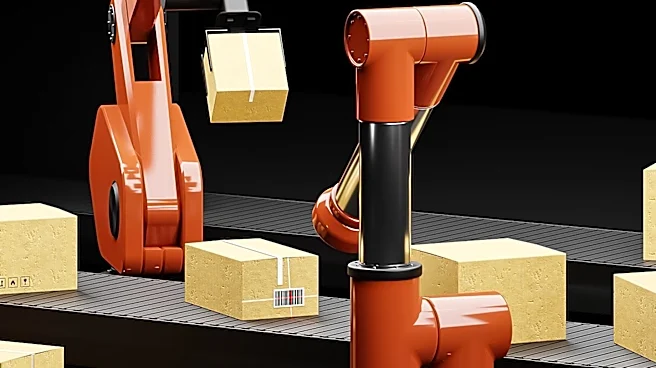
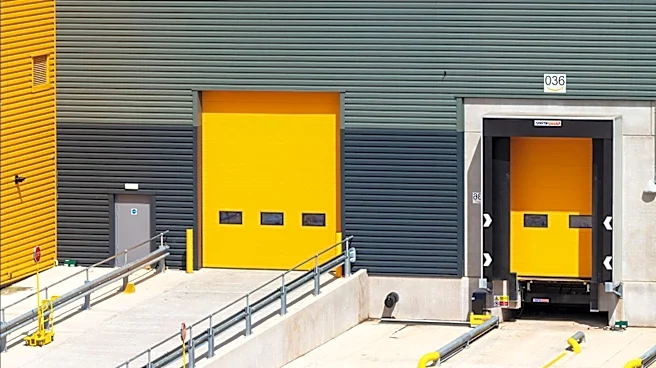
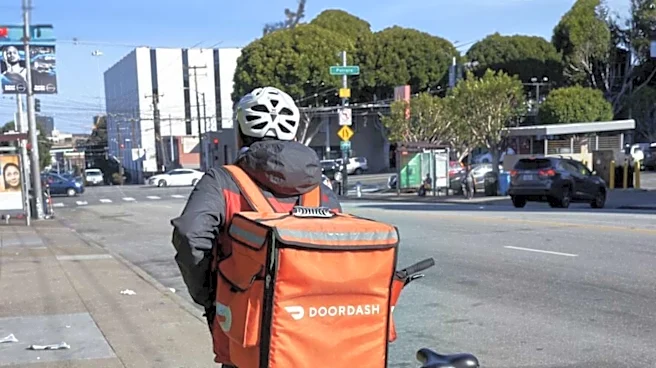
The dominance of Amazon and its delivery practices significantly impacts the U.S. retail landscape and consumer behavior. The expectation of rapid delivery, often within hours or even minutes, has reshaped how consumers approach shopping, moving away from traditional brick-and-mortar or catalog shopping models. This shift has profound implications for logistics, infrastructure, and labor markets, as companies invest heavily in advanced sorting facilities, robotics, and diverse delivery fleets including trucks, vans, bikes, and drones. Amazon's substantial market share also influences competitive strategies among other retailers, pushing them to adopt similar speed and convenience measures. Furthermore, Amazon's sustainability efforts in packaging, such as reducing single-use plastics and optimizing box usage, could set new industry standards and influence environmental practices across the e-commerce sector, addressing growing consumer and regulatory concerns about waste.
What's Next?
Amazon is expected to continue innovating its delivery and packaging strategies. The company's focus on reducing single-use plastic packaging and optimizing box usage suggests further advancements in sustainable logistics. Pat Lindner indicates that while the box will remain important, innovation will continue to meet customer needs, implying ongoing research and development in packaging materials and delivery methods. The expansion of ultra-fast delivery options, such as 30-minute delivery, is likely to continue in more cities, further intensifying competition in the last-mile delivery space. Other retailers will likely respond by enhancing their own delivery speeds and sustainability initiatives to remain competitive. Investors and consumers will be watching to see how these innovations balance convenience, cost, and environmental impact, and how they further solidify Amazon's position as a leader in e-commerce and logistics.
Beyond the Headlines
The Amazon delivery box represents more than just a container; it embodies a cultural shift towards instant gratification and convenience that has permeated various aspects of modern life. This phenomenon raises deeper questions about consumerism, the environmental footprint of rapid delivery, and the future of retail. The vast network of workers and robots supporting Amazon's operations highlights the evolving nature of labor and automation in the digital age. The company's efforts to reduce packaging waste, while significant, also underscore the immense scale of its operations and the ongoing challenge of balancing consumer demand with ecological responsibility. The 'everything store' model, driven by AI and cloud computing, suggests a future where product discovery and fulfillment are increasingly integrated and personalized, potentially blurring the lines between online and physical retail experiences and influencing urban planning and infrastructure development.