





What's Happening?
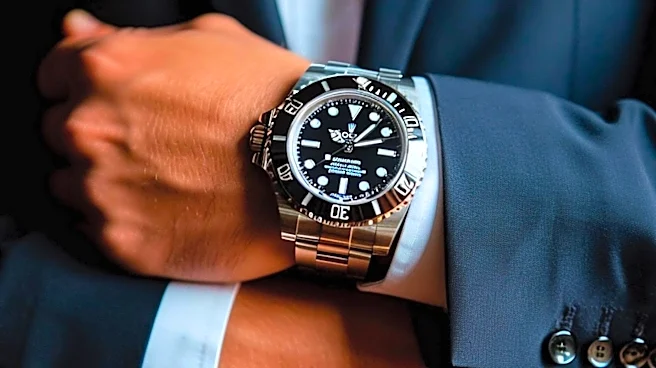
Silicon Valley tech workers are increasingly commissioning customized luxury watches from Swiss manufacturer Tudor, turning them into highly sought-after collector's items on the resale market. These watches are not standard corporate gifts but are typically
organized and purchased by employee-run collector groups to meet Tudor's minimum order requirement of 40 watches. Production for these bespoke timepieces can take approximately six months, with buyers generally paying full retail price, such as $4,500 for the Pelagos model used in Google's custom watches. Once these limited-edition watches reach the resale market, their value can significantly appreciate; for instance, a Google-themed Tudor featuring the Chrome dinosaur sold for over $10,000 at auction, and an Apple 'pirate' edition fetched $13,500. This trend highlights a growing display of status symbols within the tech industry, with prominent figures like Mark Zuckerberg and OpenAI CEO Sam Altman also known for owning high-value, rare watches.
Why It's Important?
This trend signifies a notable shift in how status and achievement are displayed within the U.S. tech industry, moving beyond traditional corporate perks to personalized luxury items with significant investment potential. The creation of these customized watches fosters a unique niche within the luxury resale market, where scarcity and bespoke design drive substantial price premiums. This phenomenon benefits luxury watch manufacturers like Tudor by generating demand for larger, custom orders and creates a lucrative secondary market for collectors and investors. For tech workers, these watches serve as both a personal statement and a tangible asset that can appreciate in value, reflecting their professional affiliations and personal interests. The high resale values observed suggest a strong appetite among collectors for unique, limited-edition items tied to prominent tech companies, potentially influencing future luxury brand collaborations and marketing strategies within the U.S. market.
What's Next?
The success of customized luxury watches in the resale market is likely to encourage more collaborations between luxury brands and prominent U.S. tech companies or their employee groups. This could lead to an expansion of similar bespoke programs, not only in watches but potentially across other luxury goods, as brands seek to tap into the affluent and status-conscious tech demographic. The increased visibility and value of these items may also attract more collectors and investors to this specific segment of the luxury market, further driving up demand and prices for future limited editions. Additionally, the trend could prompt luxury resale platforms to enhance their authentication and valuation services for such specialized items, adapting to the evolving landscape of high-value, customized goods. Tech companies might also explore ways to officially sanction or even facilitate such initiatives, recognizing the brand loyalty and employee engagement benefits.
Beyond the Headlines
Beyond the immediate financial implications, this trend reflects deeper cultural and psychological aspects within the U.S. tech community. The desire for customized luxury items, particularly those linked to one's professional identity, suggests a blending of personal achievement with corporate affiliation. These watches become more than just timepieces; they are wearable narratives of success and belonging within elite tech circles. The high resale value also underscores a broader societal fascination with exclusivity and rarity, where items with a unique story or limited production run command disproportionate value. This phenomenon could also be seen as a form of 'stealth wealth' or 'insider status,' where the true value and significance of the item are primarily understood and appreciated by those within the same professional or social sphere, creating a subtle yet powerful form of social currency.