


What's Happening?
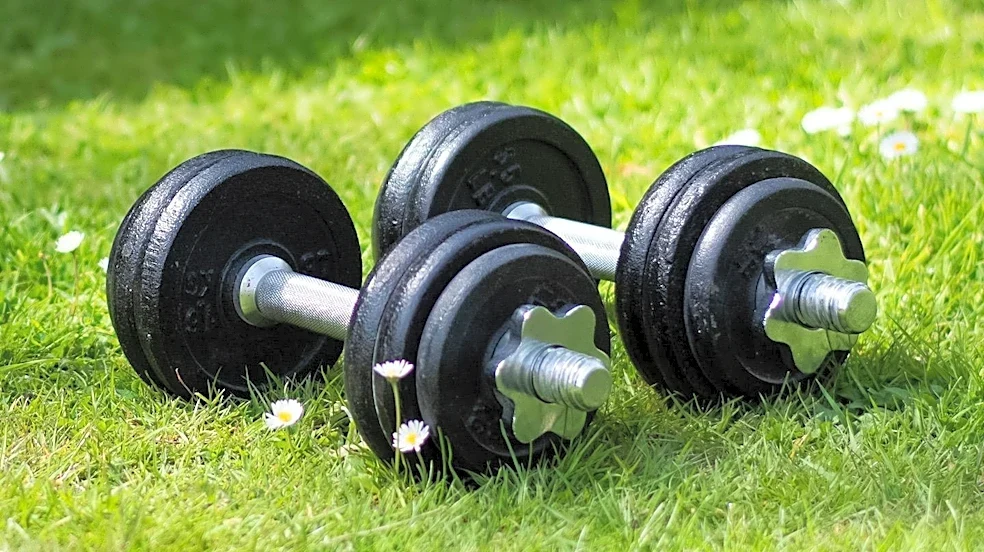
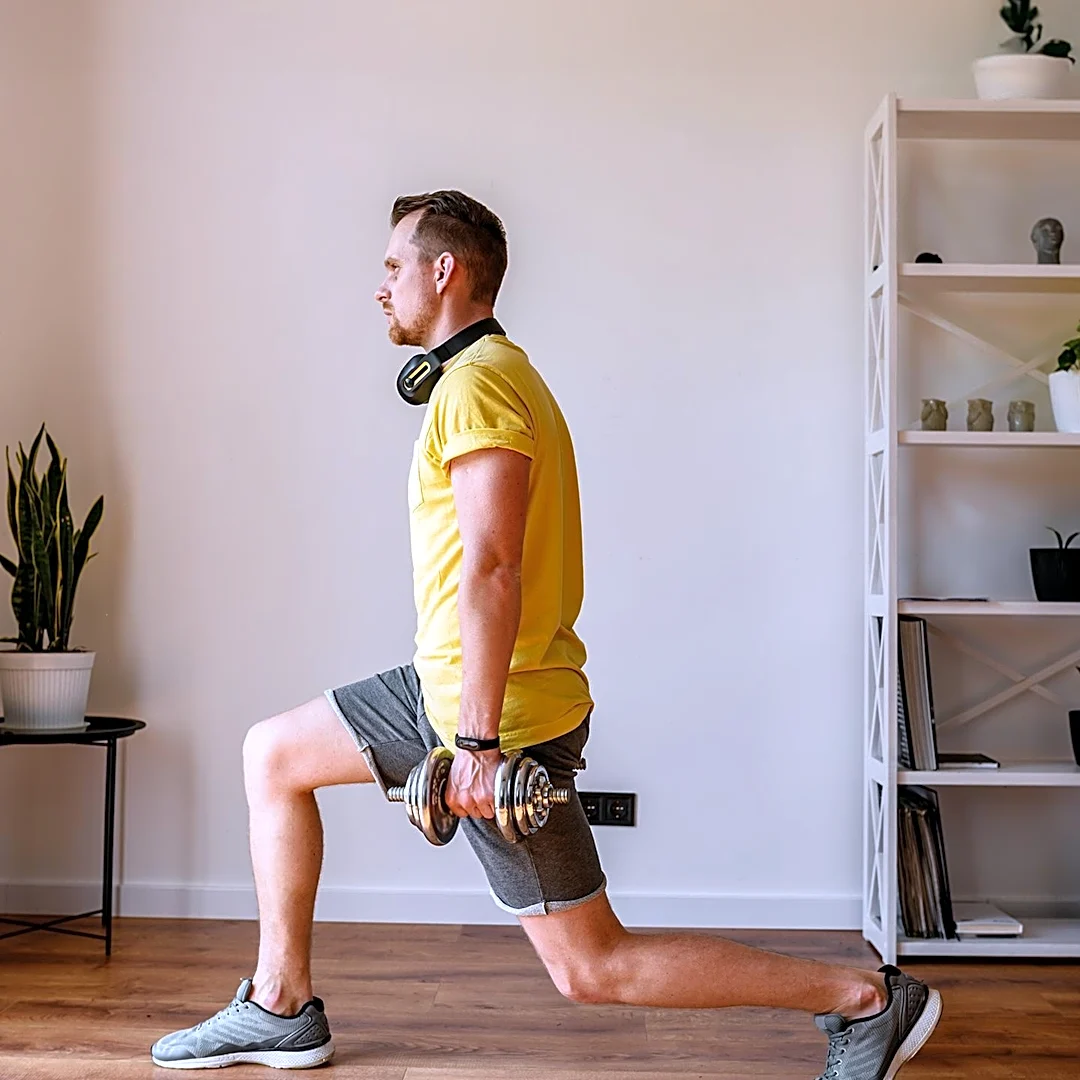
Adjustable dumbbells are emerging as a highly versatile and space-saving solution for home strength training, allowing users to modify weights for a wide array of exercises. These systems can effectively replace a full gym membership for most strength training objectives,
though specialized machines or barbells are still preferred for very heavy compound lifts. Modern adjustable dumbbells incorporate precision-engineered locking mechanisms, such as quick-adjust dials, to ensure safety and facilitate rapid weight changes. It is crucial for users to ensure the dumbbell is fully seated in its base tray and the lock is engaged correctly during weight adjustments. Regular inspection of these mechanisms, as per manufacturer guidelines, is also recommended to maintain long-term safety and functionality. Brands like BowFlex offer compact designs with ergonomic handles, while REP x PÉPIN provides options with higher weight capacities, ranging from 32.5kg to 62.5kg pairs.
Why It's Important?
The increasing popularity of adjustable dumbbells signifies a significant shift in the U.S. fitness industry, driven by a growing demand for convenient and efficient home workout solutions. This trend impacts consumers by offering a cost-effective alternative to traditional gym memberships and bulky home gym equipment, making strength training more accessible. For businesses in the fitness equipment sector, it highlights a need to innovate in product design, focusing on versatility, safety, and space efficiency. The emphasis on precision-engineered locking mechanisms underscores the importance of product safety and reliability, which can influence consumer trust and brand loyalty. Furthermore, the ability of these dumbbells to cater to a broad range of exercises, from isolation movements to compound lifts, broadens their market appeal, potentially drawing in both novice and experienced lifters who prioritize home-based fitness.
What's Next?
The market for adjustable dumbbells is likely to see continued innovation, with manufacturers focusing on enhancing user experience through improved adjustment mechanisms, greater weight ranges, and more ergonomic designs. We can anticipate further integration of smart technology, such as connectivity with fitness apps to track progress and suggest workouts, which could further solidify their role in the home fitness ecosystem. As more consumers embrace home workouts, the demand for complementary equipment, such as adjustable benches and resistance bands, is also expected to rise. Retailers will likely expand their offerings to include a wider variety of adjustable dumbbell brands and models, catering to different budgets and fitness levels. Additionally, there may be an increased focus on educational content and safety guidelines from manufacturers to ensure proper usage and prevent injuries, thereby building greater consumer confidence in these products.
Beyond the Headlines
Beyond their immediate utility, the rise of adjustable dumbbells reflects a broader cultural shift towards personalized and flexible wellness routines in the U.S. This trend challenges the traditional gym model, encouraging individuals to take greater ownership of their fitness journeys within their personal spaces. The emphasis on safety features in these products also highlights an evolving consumer expectation for high-quality, reliable fitness equipment that can be used independently. This could lead to a re-evaluation of safety standards and certifications within the home fitness industry. Furthermore, the compact nature of adjustable dumbbells aligns with urban living trends, where space is often at a premium, making them an ideal solution for apartment dwellers or those with limited dedicated workout areas. This shift could also foster a greater sense of self-sufficiency and discipline in fitness, as individuals are empowered to maintain consistent workout routines without external dependencies.