




What's Happening?
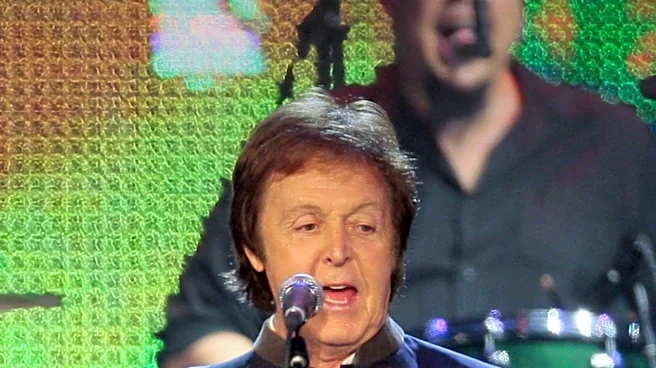
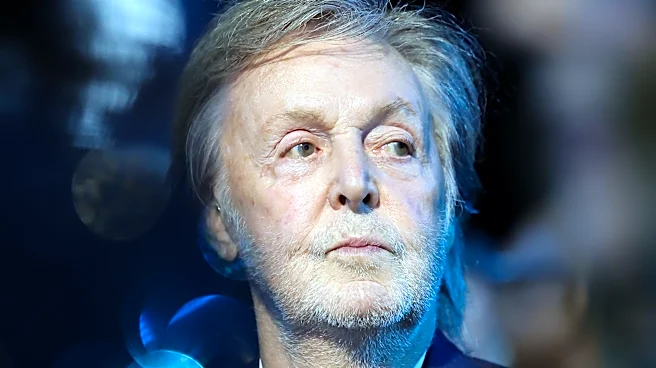
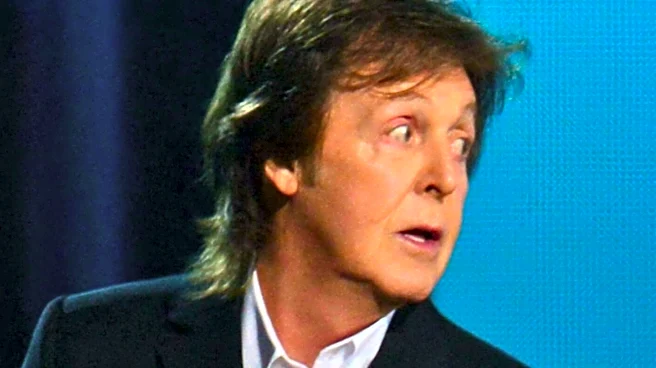
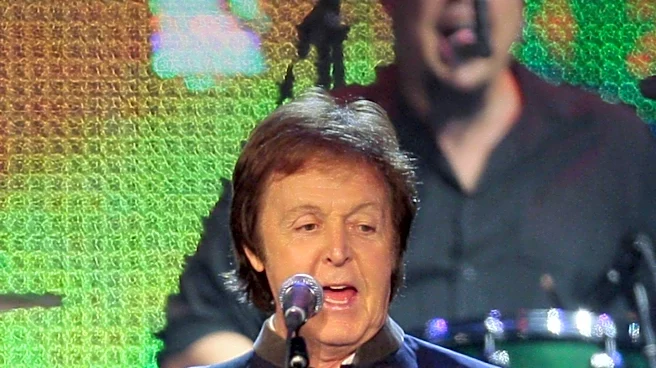
Paul McCartney, the legendary ex-Beatle, has officially reached billionaire status, with Forbes estimating his net worth at $1.4 billion. This places him as the third richest musician globally, behind Jay-Z and Taylor Swift. While his iconic work with The
Beatles contributes to his wealth, a significant portion of his fortune stems from shrewd business investments, particularly through MPL Communications, a publishing company he founded in 1969. MPL Communications manages his own music and has acquired valuable publishing rights to numerous other artists' catalogs, including Buddy Holly's and various Broadway scores. These acquisitions include popular songs like 'Grease,' 'Blue Suede Shoes,' and several Four Seasons hits. Additionally, McCartney receives a 25% share of Apple Corps' earnings, which generates over $50 million annually from streaming, vinyl sales, and merchandise. His portion of The Beatles' U.S. songwriting copyrights alone is valued at over $200 million, generating at least $10 million annually. His wealth is further bolstered by decades of touring revenue, global real estate holdings, and an art collection featuring works by artists such as Magritte and Picasso.
Why It's Important?
Paul McCartney's achievement of billionaire status highlights the evolving landscape of wealth generation in the music industry, demonstrating that sustained financial success for artists can extend far beyond their initial creative output. His strategic decision to establish MPL Communications in 1969, a time when artists often had less control over their intellectual property, underscores the long-term value of owning publishing rights. This model of acquiring and managing music catalogs has proven to be a highly lucrative venture, providing a steady stream of income from royalties and licensing. For the music industry, McCartney's financial success serves as a powerful example of how artists can leverage their brand and business acumen to build substantial wealth, even decades after their peak performing years. It also emphasizes the enduring commercial power of classic music catalogs and the continued profitability of legacy acts through touring, merchandise, and streaming. This trend could encourage other artists to prioritize ownership and strategic management of their intellectual property, potentially shifting power dynamics within the industry.
What's Next?
The ranking of the world's wealthiest musicians, including Paul McCartney, is subject to change as Forbes continuously updates its valuations. The dynamic nature of music catalogs, private company valuations, and property markets means that significant transactions, such as catalog sales or major tours, could alter these figures. For instance, the value of music catalogs can fluctuate based on market demand and streaming trends. McCartney's ongoing income streams from MPL Communications, his share in Apple Corps, and potential future touring or new music releases will continue to influence his net worth. The continued commercial viability of The Beatles' legacy, through new generations discovering their music via streaming and vinyl, will also play a role. As the music industry continues to adapt to new technologies and consumption patterns, the strategies employed by artists like McCartney to manage and monetize their assets will remain a key factor in their financial standing.
Beyond the Headlines
Paul McCartney's journey to billionaire status offers a deeper insight into the intersection of artistic legacy and business shrewdness. His early recognition of the importance of intellectual property ownership, particularly through MPL Communications, stands in stark contrast to the financial struggles many artists faced due to unfavorable record deals. This foresight not only secured his financial future but also allowed him to control and benefit from a vast array of musical works beyond his own. The ethical implications of artists owning and profiting from other artists' catalogs, while a common business practice, can spark discussions about fair compensation and the concentration of wealth within the industry. Furthermore, McCartney's diverse portfolio, including real estate and art, illustrates a broader trend among high-net-worth individuals to diversify assets beyond their primary profession, highlighting the importance of comprehensive wealth management. His story serves as a testament to the enduring cultural and economic power of music, and the potential for artists to build lasting financial empires through strategic business decisions.