





What's Happening?
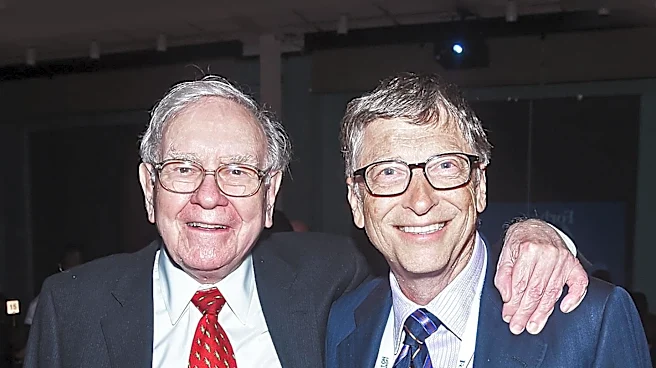
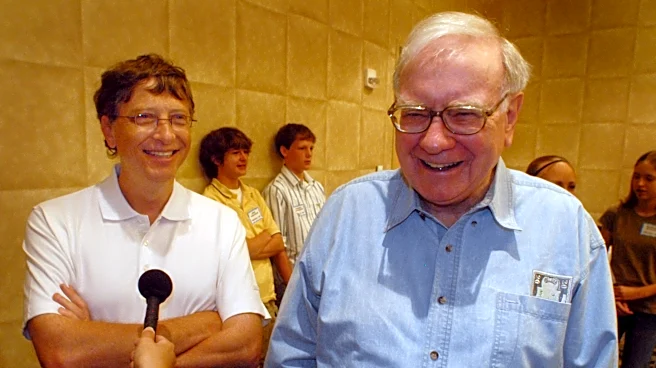
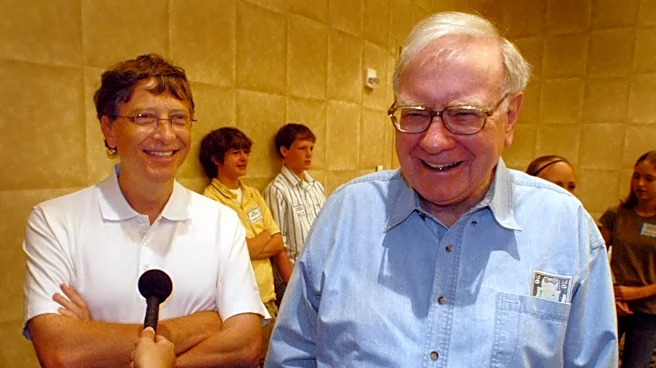
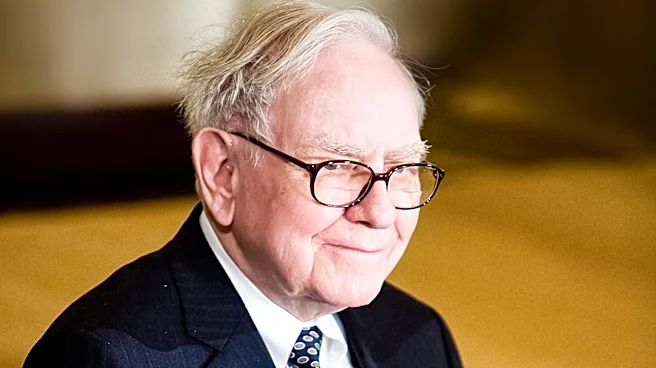
Warren Buffett, the renowned investor and philanthropist, has announced a significant shift in his charitable giving strategy. In a recent interview, Buffett revealed that he will no longer be donating to the Bill and Melinda Gates Foundation, a decision
influenced by his reassessment of his philanthropic commitments. Instead, he plans to increase donations to the Susan Thompson Buffett Foundation and his children's foundations. Buffett cited his growing confidence in his children's ability to manage and distribute philanthropic funds effectively as a key reason for this change. He also expressed a desire to expedite the distribution of his wealth, aiming for all shares to be disbursed by 2034, rather than the previously planned 10 years after his death.
Why It's Important?
This decision marks a pivotal moment in the landscape of global philanthropy, given Buffett's influence and the substantial sums involved. The Gates Foundation, which has been a major recipient of Buffett's donations, will now need to adjust its financial strategies and project funding. This shift also underscores a broader trend of wealthy individuals reassessing their philanthropic strategies, potentially leading to more diversified funding across various causes. For Buffett's children, this change represents a significant increase in responsibility and influence in the philanthropic sector. The move could inspire other philanthropists to consider similar shifts, potentially leading to a more decentralized approach to global charitable efforts.
What's Next?
The Gates Foundation will likely need to strategize on how to fill the financial gap left by Buffett's withdrawal. Meanwhile, the Susan Thompson Buffett Foundation and Buffett's children's foundations will need to scale up their operations to manage the increased funds effectively. This transition may involve hiring additional staff, developing new funding strategies, and expanding their reach to address a broader range of issues. Additionally, Buffett's decision to expedite the distribution of his wealth could prompt discussions among other philanthropists about the timing and impact of their charitable contributions.