


What's Happening?
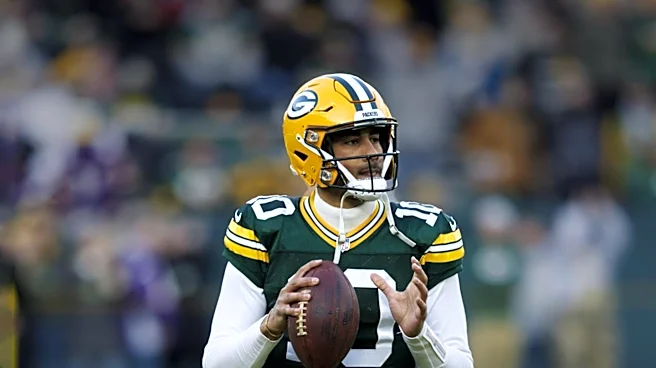
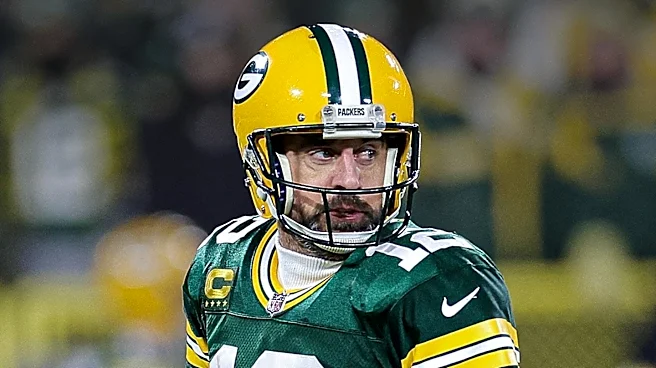
The Green Bay Packers, the only publicly owned franchise in the NFL, are facing financial challenges as they operated at a loss for the first time since 1990, excluding the Covid-affected 2020 season. CEO Ed Policy has expressed concerns about the team's
financial situation, noting that other NFL teams have access to capital sources that the Packers do not. Despite reporting $753 million in revenue against $754.1 million in expenses, the Packers are struggling to keep up with the rising costs of competing in the NFL. Policy emphasized the need for more aggressive revenue generation strategies, although the team has no plans to sell naming rights to Lambeau Field or raise money by selling minority stakes, which other teams can do.
Why It's Important?
The financial challenges faced by the Packers highlight the broader issue of revenue disparities within the NFL. As the league's ownership increasingly involves private equity investments, teams like the Packers, with unique ownership structures, may find it difficult to compete financially. This situation could impact the team's ability to invest in player costs, staff, and facilities, potentially affecting their performance on the field. The Packers' financial health is crucial not only for the team but also for the community of Green Bay, which relies on the team for economic and social benefits. The situation underscores the need for innovative financial strategies to ensure the team's long-term competitiveness and sustainability.
What's Next?
Moving forward, the Packers will need to explore new revenue generation strategies to address their financial challenges. This may involve finding alternative ways to increase income without compromising their unique ownership structure. The team will also need to monitor long-term financial trends and their impact on the franchise's health. Stakeholders, including fans and community members, will be closely watching how the team navigates these challenges and maintains its competitive edge in the NFL. The outcome of these efforts could set a precedent for other publicly owned sports franchises facing similar financial pressures.