








What's Happening?
Missouri American Water has filed a request with the Missouri Public Service Commission (MoPSC) for new rates to support approximately $1.6 billion in water and wastewater system investments from June 2025 through May 2028. The proposed rate change aims
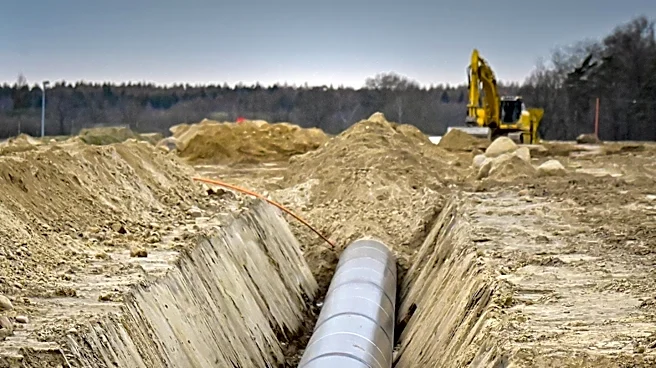
to modernize and strengthen water and wastewater systems across Missouri, serving more than 1.7 million people in 30 counties. Key projects include the replacement of aging pipelines, upgrades to storage tanks, wells, pumping stations, and treatment facilities, as well as the ongoing replacement of lead service lines. The company emphasizes that these investments are crucial for improving service reliability, water quality, and compliance with regulatory requirements.
Why It's Important?
The proposed infrastructure investments are significant for ensuring the long-term reliability and safety of water services in Missouri. By addressing aging infrastructure and enhancing treatment facilities, Missouri American Water aims to mitigate risks associated with extreme weather and regulatory compliance, including concerns over contaminants like PFAS. The rate increase, if approved, will impact customers' monthly bills, highlighting the balance between necessary infrastructure improvements and affordability. The initiative reflects broader trends in the utility sector, where companies are increasingly investing in infrastructure to meet modern standards and environmental regulations.
What's Next?
The rate request is the first step in an extensive review process by the MoPSC, which can take up to 11 months. During this period, customers will have opportunities to provide input through written comments and public hearings. If approved, the new rates could take effect in June 2027. Missouri American Water has committed to maintaining affordability by offering assistance programs for income-eligible customers. The outcome of this rate request will be closely watched by stakeholders, including customers, regulators, and environmental groups, as it could set a precedent for future infrastructure funding and rate adjustments in the utility sector.