




What's Happening?
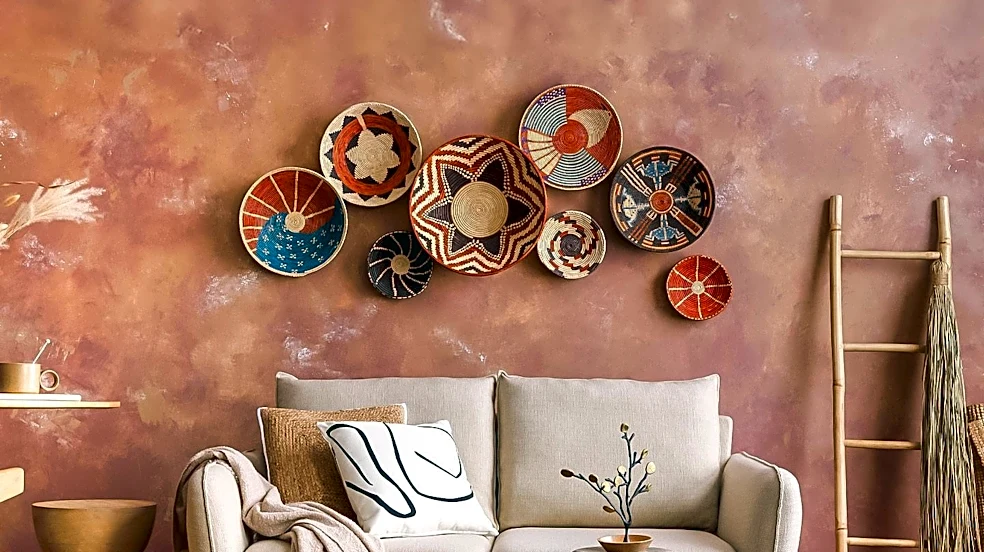
The interior design trend of 'color drenching,' which involves using a single color or cohesive palette throughout a room, is evolving to include gloss finishes on ceilings. This technique aims to create a unified and immersive space by making walls,
window frames, and other architectural features recede, thereby making rooms feel larger and more 'cocooning.' Interior designers like Sasha Bikoff and Georgina Jeffries note that painting ceilings in a gloss finish adds a new dimension to color drenching. This approach transforms the ceiling from a passive surface into an architectural statement, introducing depth and energy. Gloss paint reacts differently to light compared to matte or eggshell finishes, reflecting natural and artificial light sources more directly, which maximizes light throughout the day and enhances evening lighting. While traditional color drenching already offers benefits, the addition of a gloss ceiling is seen as a 'natural evolution' that brings 'added fearlessness' and a sense of richness and theatricality to interiors, reminiscent of 1970s and 1980s design.
Why It's Important?
This design evolution is important for the U.S. interior design industry and homeowners as it signals a shift towards more expressive and immersive home aesthetics. The trend challenges the long-standing practice of treating ceilings as an afterthought, encouraging a more holistic approach to interior spaces. For designers, it offers new creative avenues to manipulate light and perception within a room, potentially leading to increased demand for specialized painting techniques and materials. Homeowners stand to gain spaces that feel larger, more cohesive, and visually dynamic, enhancing their living environments. However, the application of gloss paint on ceilings is notoriously difficult, requiring thorough preparation and often professional execution due to its unforgiving nature in highlighting imperfections. This could lead to a greater reliance on skilled painters and an emphasis on high-quality surface preparation, impacting labor costs and the overall investment in home decor projects. The trend also suggests a move away from purely minimalist aesthetics towards designs that incorporate more texture, depth, and nuanced color palettes.
What's Next?
The adoption of gloss ceilings in color-drenched spaces is expected to continue gaining traction, influencing paint manufacturers to develop new high-gloss formulations and application tools. Interior design professionals will likely further refine techniques for integrating gloss finishes with various textures and materials to avoid creating overly reflective or 'hall of mirrors' effects. The trend may also lead to increased educational resources and workshops for both professionals and DIY enthusiasts on the proper application of gloss paints. As designers like Georgina Jeffries advocate for restraint and nuanced hues, and Sasha Bikoff explores varying levels of sheen, the market may see a diversification of gloss products, including satin finishes that offer a similar effect with less intensity. Homeowners considering this trend will need to carefully evaluate their space's lighting conditions and existing materials, potentially seeking professional consultations to ensure a successful and aesthetically pleasing outcome. The emphasis on continuity and thoughtful material selection will drive future design choices in this evolving trend.
Beyond the Headlines
The embrace of gloss ceilings in color drenching reflects a broader cultural shift towards personalization and experiential living within home environments. Beyond mere aesthetics, this trend taps into the psychological impact of color and light on mood and perception. By creating immersive, 'cocooning' spaces, it offers a retreat from the external world, aligning with a growing desire for comfort and sanctuary in personal spaces. The technical challenges associated with applying gloss paint also highlight a renewed appreciation for craftsmanship and professional expertise in an era often dominated by DIY culture. This could elevate the status of skilled trades within the design industry. Furthermore, the trend's reference to 1970s and 1980s expressive interiors suggests a cyclical nature of design, where elements from past eras are reinterpreted with modern sensibilities. This continuous re-evaluation of design history can foster innovation while maintaining a connection to established aesthetic principles, influencing future trends in residential and commercial interiors.