
What's Happening?
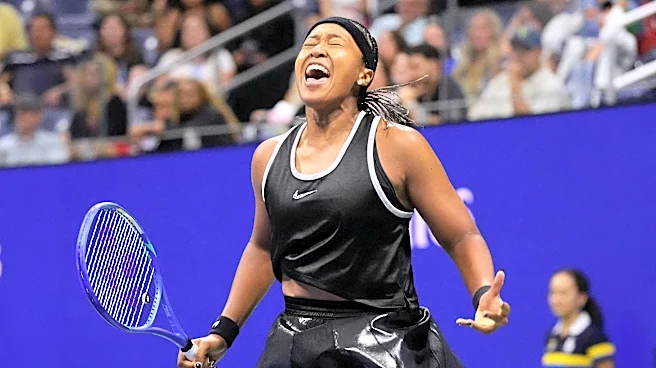
Eleanor Theresa A., a graphic designer, has been exploring Nike's brand strategy, specifically focusing on the lifestyle of athletes beyond their competitive activities. Her work delves into the idea that
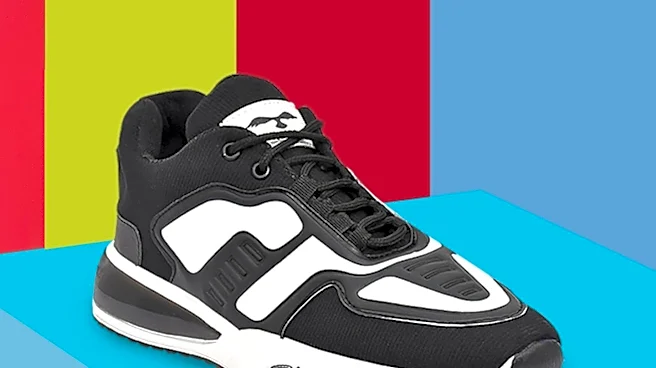
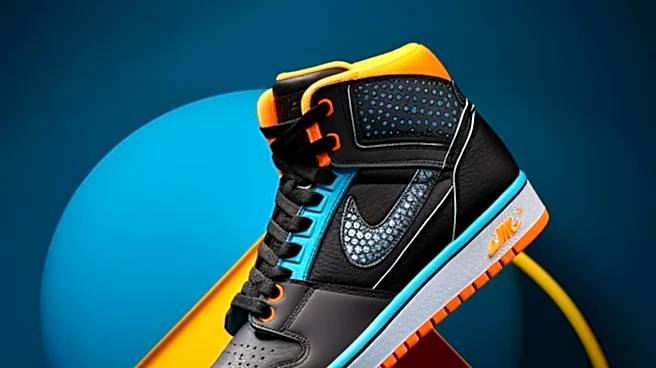
athletes' lives extend beyond the court, encompassing travel, dining, weekends, and personal style. This exploration is inspired by a statement from Elliott Hill about placing the athlete at the center of Nike's operations. Theresa A. has been designing imaginary Nike apparel, shoes, bags, and accessories, initially creating items she herself wouldn't wear. She later shifted her focus to designing items that align with her personal style, such as cardigans, trompe-l’œil denim, a Swoosh tote, and ballet sneakers, to better reflect the diverse lifestyles of individuals, including athletes.
Why It's Important?
This exploration highlights a significant aspect of brand strategy in the athletic wear industry: the recognition of an athlete's holistic lifestyle. By considering that athletes have lives outside of competition, brands like Nike can broaden their product appeal and market reach. This approach moves beyond purely performance-oriented gear to include lifestyle and casual wear, catering to the everyday needs and fashion preferences of athletes and the general public who aspire to an athletic lifestyle. This strategy can lead to increased brand loyalty and market share by making the brand more relatable and integrated into various facets of consumers' lives. It also underscores the evolving nature of marketing, where understanding the full scope of a target demographic's life is crucial for effective engagement.
What's Next?
Eleanor Theresa A. indicates that her exploration into Nike's brand strategy and athlete lifestyle is ongoing, despite previously stating she was finished. She continues to add new chapters to her creative project, suggesting a continuous development of design concepts that reflect a broader understanding of athlete life. This ongoing creative process could potentially influence how brands like Nike approach future product lines and marketing campaigns, encouraging a more inclusive and lifestyle-oriented approach. The continued discussion and design work could also inspire other designers and brands to consider the 'beyond the game' aspect of their target consumers, leading to more diverse and relevant product offerings in the athletic and fashion industries.
Beyond the Headlines
The deeper implication of Theresa A.'s work lies in challenging the traditional perception of athletes and athletic brands. It suggests that the identity of an athlete is not solely defined by their performance in sports but also by their personal style, daily activities, and overall lifestyle. This perspective can foster a more inclusive and relatable image for athletic brands, moving away from an exclusive focus on elite performance to embrace the everyday lives of individuals who engage with sports. Ethically, it promotes a more holistic view of well-being, acknowledging that athletes, like everyone else, have diverse needs and preferences. Culturally, it reflects a broader trend in fashion and branding where authenticity and personal expression are increasingly valued, encouraging brands to connect with consumers on a more personal and lifestyle-driven level.