



What's Happening?
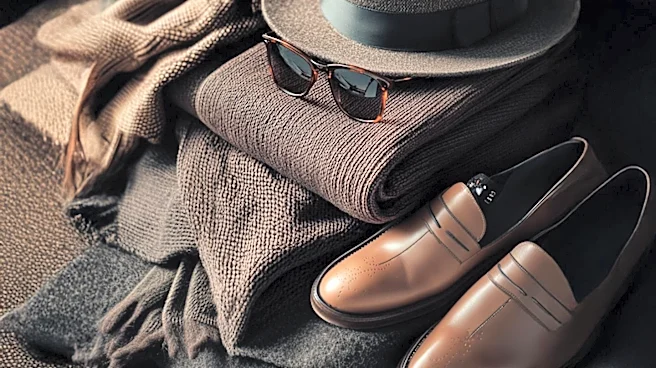
Eton, a renowned shirtmaking brand, has launched its Fall Winter 2026 collection, emphasizing a shift from occasion-based dressing to a focus on material, silhouette, and ease. The collection is designed around versatility and longevity, featuring pieces
that improve with time. Central to the collection is an exclusive cashmere and wool yarn, developed to offer ultra-softness and distinct texture, used in key items such as vests, blazers, jackets, and for the first time, a coat. The collection highlights Eton's heritage craftsmanship, with a focus on texture, weight, structure, and surface, bringing depth to each look. The dress shirt remains a core element, with updated styles and blue as a key seasonal color. The collection also includes casual Oxford shirts as must-haves.
Why It's Important?
Eton's new collection reflects a broader trend in the fashion industry towards sustainable and versatile clothing. By focusing on high-quality materials and timeless designs, Eton is catering to consumers who value longevity and craftsmanship over fast fashion. This approach not only enhances the brand's reputation for quality but also aligns with growing consumer demand for sustainable fashion choices. The collaboration with Italian textile partners underscores the importance of international partnerships in maintaining high standards of fabric and craftsmanship. This collection could influence other brands to adopt similar strategies, potentially leading to a shift in consumer expectations and industry standards.
What's Next?
The collection is available in stores and online from late July, suggesting that Eton is prepared to meet consumer demand for fall and winter fashion. As the season progresses, the brand may monitor consumer feedback to adjust future collections. The emphasis on texture and material development could lead to further innovations in fabric technology and design. Additionally, Eton's approach may inspire other fashion brands to explore similar sustainable and versatile design strategies, potentially impacting the broader fashion industry.