





What's Happening?
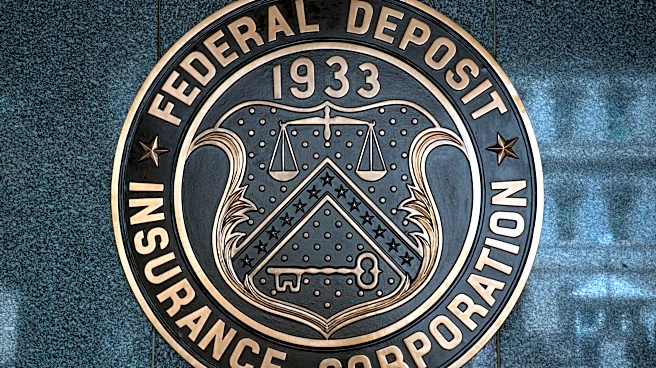
The Federal Deposit Insurance Corporation (FDIC) is an independent U.S. government agency that provides deposit insurance to protect bank customers in the event of a bank failure. This insurance covers up to $250,000 per depositor, per bank, and per account
ownership category. This means that funds held in various types of accounts, including checking, savings, and money market accounts, are protected up to this limit. For instance, money market accounts at banks are FDIC-insured, ensuring the principal remains safe even if the financial institution fails. The FDIC's coverage is crucial for maintaining public confidence in the nation's financial system. Some financial institutions, like M1, utilize a network of partner banks to spread customer funds across multiple institutions, thereby expanding FDIC insurance coverage for individual depositors beyond the standard $250,000 limit, potentially up to millions of dollars. Customers are advised to monitor their total assets across all banks, including network partners, to ensure full insurance coverage.
Why It's Important?
The FDIC insurance limit of $250,000 per depositor, per bank, per ownership category is a cornerstone of financial stability in the U.S. It provides a critical safety net for individual depositors and businesses, safeguarding their funds against bank failures. This protection is vital for consumer confidence, as it assures that their savings are secure, reducing the likelihood of widespread panic withdrawals during times of economic uncertainty. For financial institutions, FDIC insurance is a key factor in attracting and retaining customers. The ability of some platforms to extend this coverage through partner bank networks is particularly important for individuals and entities with large cash balances, such as businesses, municipalities, and high-net-worth individuals. This expanded coverage allows them to keep substantial funds liquid and secure, fostering greater trust in the banking system and supporting economic activity by ensuring capital remains protected within financial institutions.
What's Next?
As the financial landscape evolves, the role of FDIC insurance remains constant in providing a foundational layer of security for depositors. Financial institutions will likely continue to innovate in how they offer and communicate FDIC protection, especially for larger deposits, through strategies like sweep accounts and partner bank networks. Depositors, particularly those with significant assets, will need to remain vigilant in understanding how their funds are structured across different accounts and institutions to maximize their FDIC coverage. The FDIC itself will continue its oversight and regulatory functions to ensure banks adhere to sound practices, thereby minimizing the risk of failures. Furthermore, ongoing public education efforts by the FDIC and financial institutions will be crucial to ensure that consumers understand the limits and scope of deposit insurance, especially as new financial products and services emerge.
Beyond the Headlines
The concept of FDIC insurance extends beyond mere financial protection; it underpins the psychological contract between citizens and their financial system. The assurance that one's savings are protected up to a significant amount fosters trust, which is essential for the smooth functioning of a modern economy. Without such a guarantee, the risk of bank runs and systemic instability would be far greater. The $250,000 limit, while substantial for most individual depositors, also highlights the need for sophisticated strategies for those with larger sums, leading to the development of multi-bank deposit programs. This also raises broader questions about financial literacy and the responsibility of individuals to understand the nuances of their financial protections. The FDIC's role is not just reactive in the event of a failure, but proactive in maintaining the integrity and stability of the entire banking sector, serving as a silent guardian of economic confidence.